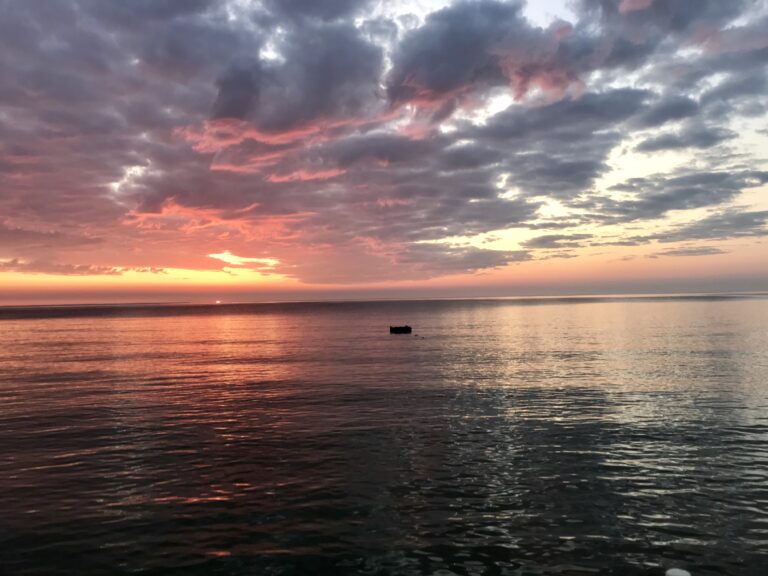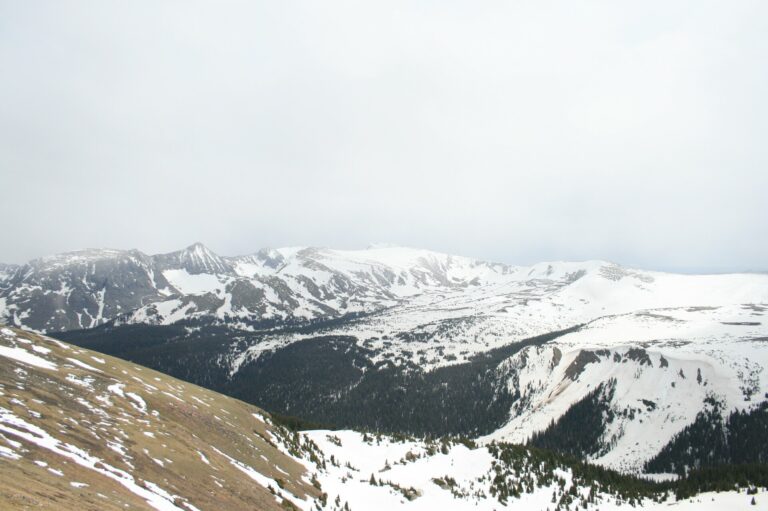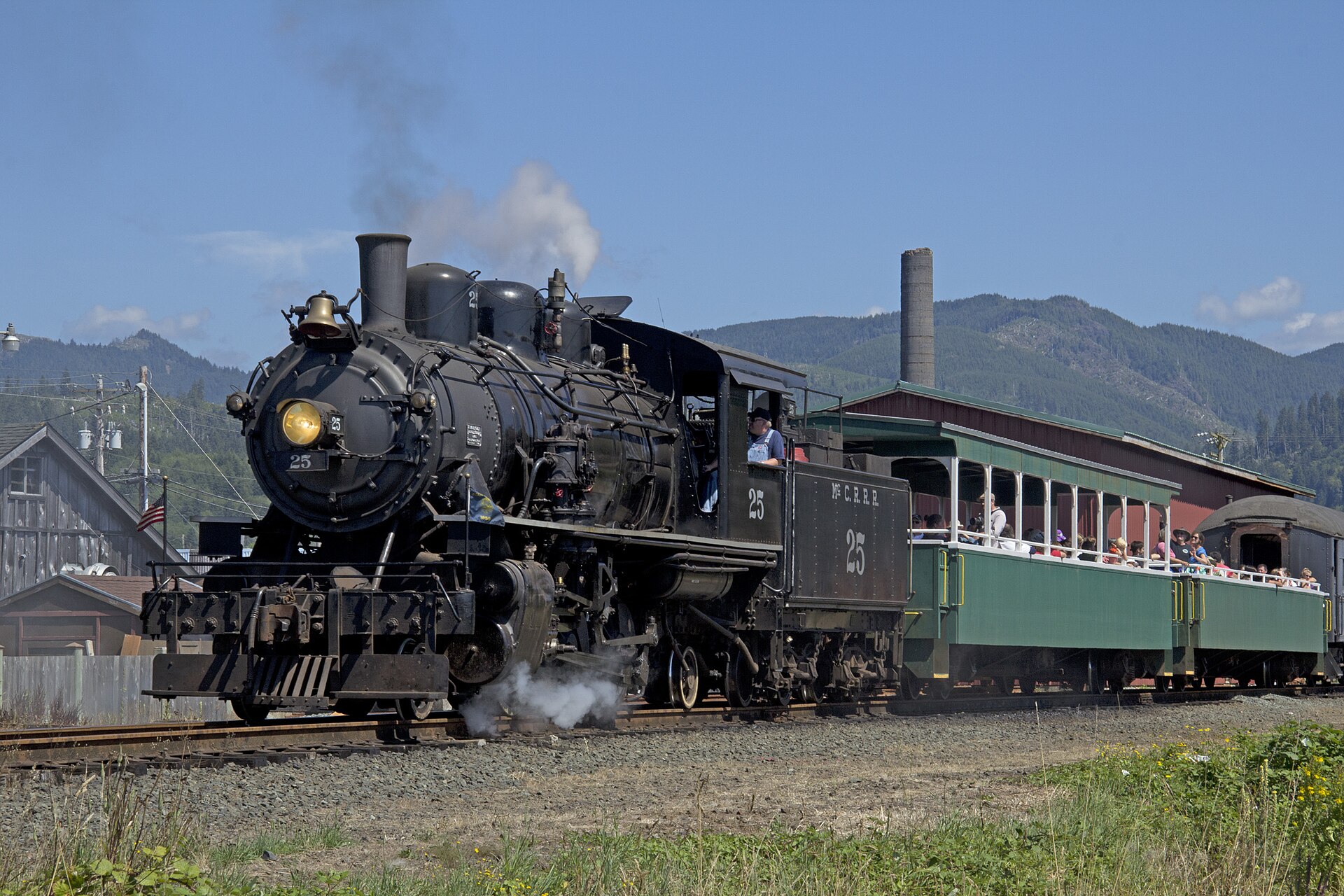
A five-day Oregon Coast road trip built around beaches, viewpoints, coastal forests, small towns and relaxed driving days.
Trip at a Glance
| Day | Existing plan |
|---|---|
| Day 1: Settle into the coast | Walk one beach, stop at a viewpoint and explore a nearby town. Avoid spending your first day trying to cover a large section of highway. |
| Day 2: Add forest | Pair a coastal overlook with a short forest walk. The switch from open shoreline to dense evergreen forest creates a welcome change of pace. |
| Day 3: Let weather guide you | Keep a flexible schedule. Mist and rain can create a dramatic coastal atmosphere, and a slower beach walk may be better than forcing a long list of stops. |
| Day 4: Stay longer in one place | Give a coastal community, protected area or trail system most of a day. Less driving usually means a better trip. |
| Day 5: End with a favorite view | Return to a place that stood out earlier or choose one final viewpoint before heading home. |
Day 1: Settle into the coast
Walk one beach, stop at a viewpoint and explore a nearby town. Avoid spending your first day trying to cover a large section of highway.
Day 2: Add forest
Pair a coastal overlook with a short forest walk. The switch from open shoreline to dense evergreen forest creates a welcome change of pace.
Day 3: Let weather guide you
Keep a flexible schedule. Mist and rain can create a dramatic coastal atmosphere, and a slower beach walk may be better than forcing a long list of stops.
Day 4: Stay longer in one place
Give a coastal community, protected area or trail system most of a day. Less driving usually means a better trip.
Day 5: End with a favorite view
Return to a place that stood out earlier or choose one final viewpoint before heading home.
How to make five days on the Oregon Coast feel realistic
The Oregon Coast is easier to enjoy when the route is divided into geographic sections instead of treating Highway 101 as a sequence of attractions. A practical first trip can move from the north coast around Astoria and Cannon Beach, through the central coast around Tillamook, Newport and Yachats, and then farther south toward Florence or Bandon if your starting and ending points make that sensible. The important decision is not how many stops can fit on a map; it is how much time you want to spend outside the car.
Build each day around one coastal cluster
For the north, pair a beach or viewpoint around Cannon Beach with one additional stop rather than trying to cover every headland. In the central coast, Yaquina Head near Newport combines coastal scenery, tidepools and a lighthouse setting, while Heceta Head farther south offers another strong lighthouse-and-coast stop. Use these as anchors and let smaller beaches or viewpoints fill the gaps rather than creating a rigid checklist.
Time your coast stops around conditions
Wind, fog, rain and surf can change the best order of the day. Tidepooling is particularly time-sensitive, so check a local tide table before committing to a low-tide stop. Oregon State Parks also warns visitors about sneaker waves, unstable cliffs and falling rocks; those risks are a reason to keep scenic exploration on maintained paths and never treat the beach as a place where the ocean can be ignored.
Leave room for the drive itself
Highway 101 is the backbone of the journey, but the experience is much better when you allow for parking, short walks, meals and weather delays. On a five-day trip, two substantial stops plus several brief viewpoints can be more satisfying than a day packed with ten named locations.
Useful pre-trip checks
- Oregon State Parks
- Oregon State Parks: Beach Safety
- BLM: Yaquina Head plan-your-visit information
- Oregon State Parks: Heceta Head
- Oregon TripCheck: current road conditions
Plan the coast as a sequence of short days
Five days gives you enough time to explore the Oregon Coast without making every day a long transfer. Choose a manageable section of coastline each day and allow time for beaches, viewpoints, short walks and the towns along the route.
Combine beaches with forest stops
Oregon’s coast is more varied than a beach-only itinerary suggests. State parks and nearby forested areas can add hikes and quieter scenery without requiring a completely different trip.
Keep the route flexible
Weather, road conditions, parking and seasonal access can change the best order of stops. A flexible plan works better than a timetable that depends on reaching every viewpoint at a specific hour.
Make the drive part of the trip
Choose scenic stops that break up the day naturally rather than adding long detours for every attraction. The route should feel like a journey instead of a checklist.
Reference: Oregon State Parks provides current information for coastal parks and scenic areas.
Before You Go
- Check the current official access and conditions information before departure.
- Confirm seasonal closures, permits, reservations and transportation requirements that may apply.
- Build extra time into the day for parking, weather, road conditions and unexpected delays.
- Use the guide as a planning framework and verify time-sensitive details with the responsible land manager or official destination source.
- Treat driving times as planning estimates rather than guarantees, especially on scenic or mountain routes.
Final thoughts
The Oregon Coast rewards travelers who leave gaps in the schedule. The best itinerary creates opportunities to stop.
More from Wild Trail Atlas