A Season-by-Season Guide to Weather, Wildlife and Crowds
There is something special about seeing Yellowstone in the right season. Imagine watching bison calves take their first steps across a spring meadow, standing beside a powerful waterfall in early summer, or hearing elk bugle through the cool autumn air.
Yellowstone changes dramatically throughout the year. Roads, wildlife, weather and visitor facilities all follow the seasons, so choosing when to visit can shape your entire experience.
For most first-time visitors, late May through September is the most practical period to explore Yellowstone. June and September are especially useful months to consider if you want a balance of accessible roads, wildlife activity and generally pleasant conditions. Winter offers a very different experience, with snow-covered scenery and much more limited vehicle access.
When Is the Best Month to Visit Yellowstone?

There is no single perfect month for everyone. It depends on what you want to experience.
| Month | What to expect | Best for |
|---|---|---|
| April | Lingering snow, limited roads and facilities | Early wildlife activity |
| May | Spring thaw, staged road openings and newborn animals | Wildlife watching |
| June | Longer days, more roads open and flowing waterfalls | First-time visits |
| July | Warmest conditions, busy attractions and broad access | Hiking and family trips |
| August | Warm, often dry weather and busy roads | Outdoor activities |
| September | Cooler nights, fall colour and elk activity | Scenic drives and wildlife |
| October | Colder weather and seasonal road closures | Quieter visits and autumn scenery |
| November | Winter conditions and very limited access | Prepared winter visitors |
| December–March | Snow, restricted roads and winter tours | Snowshoeing, skiing and snowcoach trips |
These are broad seasonal patterns, not guarantees. Snow can fall outside winter, and opening dates change with conditions. Check the National Park Service seasons and weather guidance before choosing dates.
Visiting Yellowstone in Spring (April and May)

Spring brings new life to Yellowstone. Snow begins to melt in lower areas, wildlife becomes active, and the park starts preparing for its busy summer season.
Bison calves are generally born in late April and May. Bears and other wildlife may also be seen in lower-elevation areas, although sightings are never guaranteed. Higher elevations can remain snowy, roads reopen in stages, and some accommodation, restaurants and visitor facilities may still be closed.
Should you visit in spring? Yes, if wildlife watching matters to you and you can be flexible. Late May is generally a more practical choice than early April for a first visit, but always check which roads and services are operating.
Visiting Yellowstone in Summer (June, July and August)

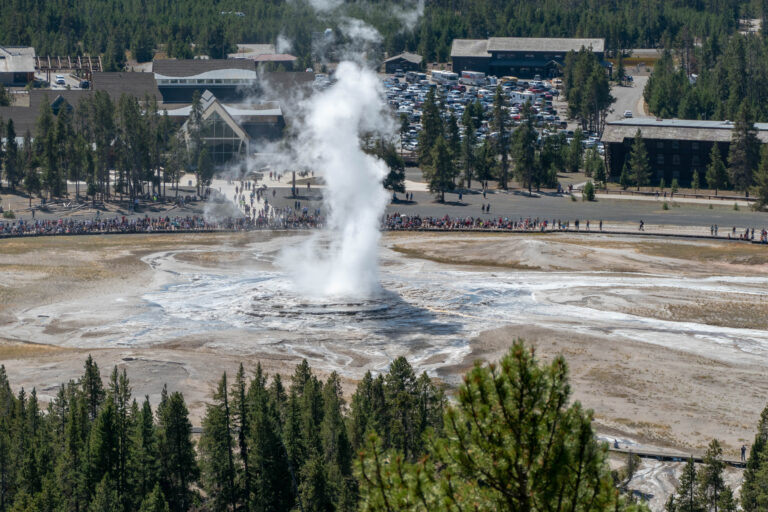
Summer is when Yellowstone becomes easiest to explore. Most roads and visitor facilities are open, days are longer, and you have more opportunities to visit Old Faithful, Grand Prismatic Spring and the Grand Canyon of the Yellowstone.
June is a lovely month for waterfalls, wildlife watching and lower-elevation trails. July and August generally bring warmer weather and the widest range of summer activities. The trade-off is crowds: parking areas fill, traffic slows near popular stops and accommodation should be booked well ahead.
Afternoon thunderstorms can develop during warmer months. Carry a rain jacket, drink water and leave exposed areas if lightning approaches.
Should you visit in summer? Absolutely, especially for a first visit when you want access to the major attractions. June is a strong starting point; July and August suit travellers looking for the fullest range of summer activities.
Visiting Yellowstone in Fall (September and October)

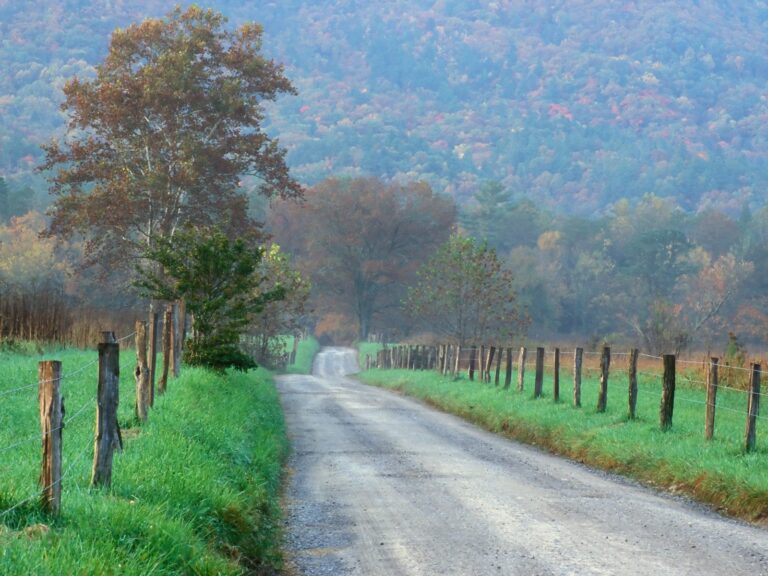
Fall gives Yellowstone a different atmosphere. The air becomes cooler, the landscape begins to change colour, and the sound of bugling elk can carry across the valleys during the rut.
September is especially appealing for scenic drives and wildlife watching. Days can still be pleasant, but nights are colder. October is quieter, though early winter weather can arrive and some roads and services begin closing.
Should you visit in fall? September is an excellent option if you want cooler weather and wildlife activity while many roads are still open. October can be rewarding too, but requires more flexibility.
Visiting Yellowstone in Winter (November to March)

Winter transforms Yellowstone into a landscape of snow-covered forests, frozen rivers and steaming thermal features. You may see bison pushing through snow and steam rising from geysers in the cold air.
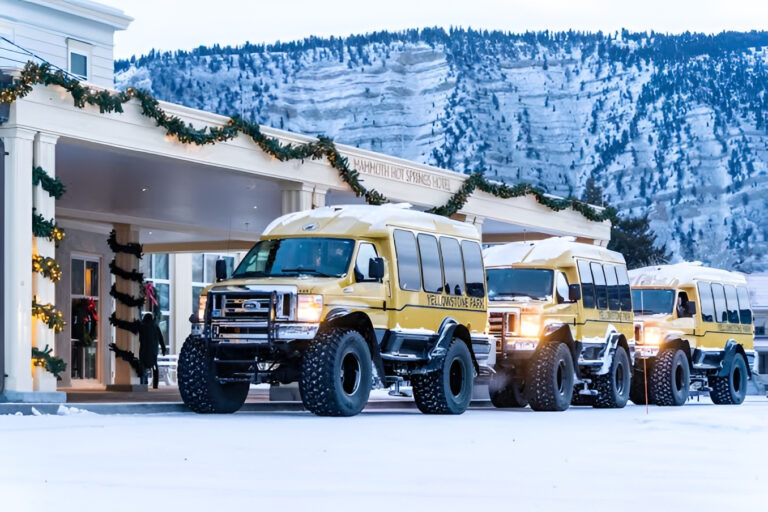
Most park roads close to regular vehicles during winter. Access to many areas is generally by commercially guided snowcoach or snowmobile when routes are open. The road between the North Entrance and Northeast Entrance is generally the only route open year-round to regular vehicles, weather permitting.
Should you visit in winter? Yes, if you are prepared for cold conditions and understand the access restrictions. It is not the easiest season for a conventional sightseeing road trip, but it can be unforgettable.
What Is the Best Time to Visit Yellowstone for Wildlife?

If wildlife is one of your main reasons for visiting, timing matters.
- May and June: A rewarding period to look for newborn bison and other young animals.
- July and August: Bison are active across the park, and summer provides long days for wildlife watching.
- September and October: Elk rutting activity makes this an exciting time around Mammoth and other northern areas.
- Winter: Wolves, coyotes and other animals may stand out against the snow, particularly in the northern range.
Lamar Valley and Hayden Valley are two well-known wildlife-viewing areas. Try early morning or late afternoon, use designated pullouts and keep a safe distance. Wildlife sightings are never guaranteed. Follow park rules: stay at least 100 yards from bears and wolves and 25 yards from bison and other large animals.
What Is the Best Time to Visit Yellowstone to Avoid Crowds?

July and August are peak visitor months, so expect busy parking areas and more traffic around famous attractions.
For a quieter experience, consider early May or October, but understand that some roads and facilities may not be operating. If you travel in summer, start early and visit popular attractions outside the busiest middle-of-the-day period.
What Is the Best Time to Visit Yellowstone for Hiking?

If hiking is high on your list, July through mid-September is often the most practical window for many higher-elevation routes. Lower-elevation trails may become accessible earlier, but snow and muddy conditions can remain at higher elevations well into summer.
Check trail conditions and closures before setting out. A trail that looks clear on a map may still have snow, mud or temporary restrictions.
What Is the Best Time to Visit Yellowstone With Children?
For families, June through August is generally the easiest period. Major roads and visitor facilities are more likely to be operating, and longer days give you flexibility. Children can enjoy geysers, boardwalks and wildlife viewing from safe distances.
July and August can be crowded, so visit popular attractions early. Bring snacks, water, warm layers and rain protection.
What Should You Pack for Yellowstone Depending on the Season?
| Season | Useful things to pack |
|---|---|
| Spring | Waterproof jacket, warm layers and sturdy walking shoes |
| Summer | Sun protection, rain jacket, comfortable shoes and reusable water bottle |
| Fall | Warm jacket, layers, gloves and sturdy footwear |
| Winter | Insulated coat, thermal layers, waterproof boots, gloves and warm hat |
Even in July, mornings and evenings can feel cold. Pack layers rather than assuming the weather will stay warm all day.
So, When Should You Actually Plan Your Yellowstone Trip?
- First visit: June or September.
- Best for hiking: July to mid-September.
- Best for newborn wildlife: May and June.
- Best for elk activity: September and early October.
- Quieter shoulder-season visit: Early May or October, with careful road planning.
- Winter scenery: January and February.
- Family trip: June through August.
For many first-time visitors, June and September are the strongest choices. June brings long days and the start of the main visitor season. September offers cooler weather and autumn wildlife activity before winter begins to take hold. Neither month guarantees perfect conditions, so check the forecast and road status before travelling.
Important: Check Yellowstone’s Road Opening Dates Before Booking
Yellowstone is open throughout the year, but that does not mean every road is accessible all year. Most roads close to regular vehicles during winter and reopen in stages as snow is cleared. Opening and closing dates can change with weather and road conditions.
Before you leave, check the official Yellowstone road conditions, seasons and weather, and facility operating dates.
Frequently Asked Questions
Is June or September better for visiting Yellowstone?
June is better for long days, flowing waterfalls and the start of the main visitor season. September is attractive for cooler weather and autumn wildlife activity. Both can be excellent choices.
Does Yellowstone get snow in summer?
Yes. Snow is possible at higher elevations even during summer. Carry suitable clothing and check forecasts.
Is Yellowstone worth visiting in October?
Yes, particularly for autumn scenery and wildlife watching. Colder weather, snow and seasonal closures can affect plans.
Can you visit Yellowstone in winter without a tour?
You can drive the North Entrance–Northeast Entrance road when it is open, weather permitting. Access to many other areas generally requires commercially guided snowcoach or snowmobile travel.
What is the quietest month to visit Yellowstone?
November through March generally see fewer visitors, but access is much more restricted. Early May and October can offer quieter experiences while some regular vehicle access remains.
Final Thoughts
Yellowstone is worth experiencing in every season, but the right time depends on what you want from your visit. Perhaps you want to see a bison calf following its mother across a meadow. Maybe you dream of standing beside Grand Prismatic Spring on a summer morning, or watching steam rise from thermal basins while snow falls around you.
Give yourself enough time to enjoy the park rather than rushing from one attraction to another. Choose your season carefully, check the roads before travelling and leave room for the unexpected. Sometimes, the moments you remember most are the ones you never planned.
Official Yellowstone Visitor Resources
Editorial note: This guide is based on National Park Service seasonal, weather and road-access information. Conditions and operating dates can change, so visitors should confirm current details before travelling. Each inline photograph is unique to its section and linked to its individual Wikimedia Commons file record. The selected images are National Park Service photographs identified as public domain in the United States; retain the source links and photographer credits shown with each image.
More from Wild Trail Atlas