From the eruption of Old Faithful and the brilliant colours of Grand Prismatic Spring to the thunder of the Lower Falls and the wildlife-rich valleys of the north, Yellowstone is a place where the landscape seems to change around every bend. This first-visit guide explains 15 places worth prioritising, how to reach them, and how to plan your days without underestimating the distances.
Trip at a Glance
| Day | Existing plan |
|---|---|
| Day 1 — Old Faithful, Grand Prismatic and the geyser basins | Morning — Old Faithful: Check the predicted eruption time and explore part of the Upper Geyser Basin boardwalks.Late morning — Midway Geyser Basin: Walk the boardwalk around Grand Prismatic Spring.Early… |
| Day 2 — Grand Canyon of the Yellowstone and Hayden Valley | Morning — Canyon area: Visit Artist Point and other open overlooks of the Lower Falls.Late morning — North Rim: Choose accessible viewpoints and short walks according to current trail conditions.Lunch… |
| Day 3 — Mammoth, Lamar Valley and the northern range | Early morning — Lamar Valley: Set aside time for wildlife watching and bring binoculars.Late morning — Tower Fall: Visit if the relevant road and viewpoint are open.Afternoon — Mammoth Hot… |
At a glance: What to know before visiting
| Location | Northwest Wyoming, with small portions in Montana and Idaho |
|---|---|
| Size | Nearly 3,500 square miles (about 2.2 million acres) |
| Known for | Geysers, hot springs, waterfalls, canyons, lakes and wildlife |
| Entrances | North, Northeast, West, South and East |
| Park access | Open year-round, but most roads close to regular vehicles in winter |
| Standard private-vehicle pass | $35 for seven consecutive days (verify current fees) |
| Non-U.S. resident surcharge | As of 2026, an additional $100 per non-U.S. resident aged 16+ may apply at Yellowstone, subject to pass exemptions |
| Suggested first visit | Three to four days for a highlights-focused trip; longer for hiking and wildlife watching |
Yellowstone is enormous. It takes several hours to drive between some entrances, and a short distance on the map can take longer than expected because of wildlife, traffic, construction and road conditions. Build your itinerary around geographic areas rather than trying to cross the park repeatedly.
Where is Yellowstone National Park?
Yellowstone lies in the northwest corner of Wyoming, extending into Montana and Idaho. Its five entrance stations are North, Northeast, West, South and East. Nearby gateway communities include Gardiner and Cooke City/Silver Gate in Montana, West Yellowstone in Montana, Jackson in Wyoming and Cody in Wyoming.
The North Entrance near Gardiner is the only entrance generally open to regular vehicles year-round. The Northeast Entrance connects to Cooke City and Silver Gate. Most other park roads close to wheeled vehicles in early November and reopen in stages in spring, depending on weather and road work.
Before choosing accommodation, decide which areas matter most. West Yellowstone is convenient for the geyser basins; Gardiner works well for Mammoth and the northern range; Canyon Village is central for the canyon and Hayden Valley; and the Lake area is useful for Yellowstone Lake and the south-central park.
15 must-see attractions in Yellowstone National Park
1. Watch Old Faithful erupt
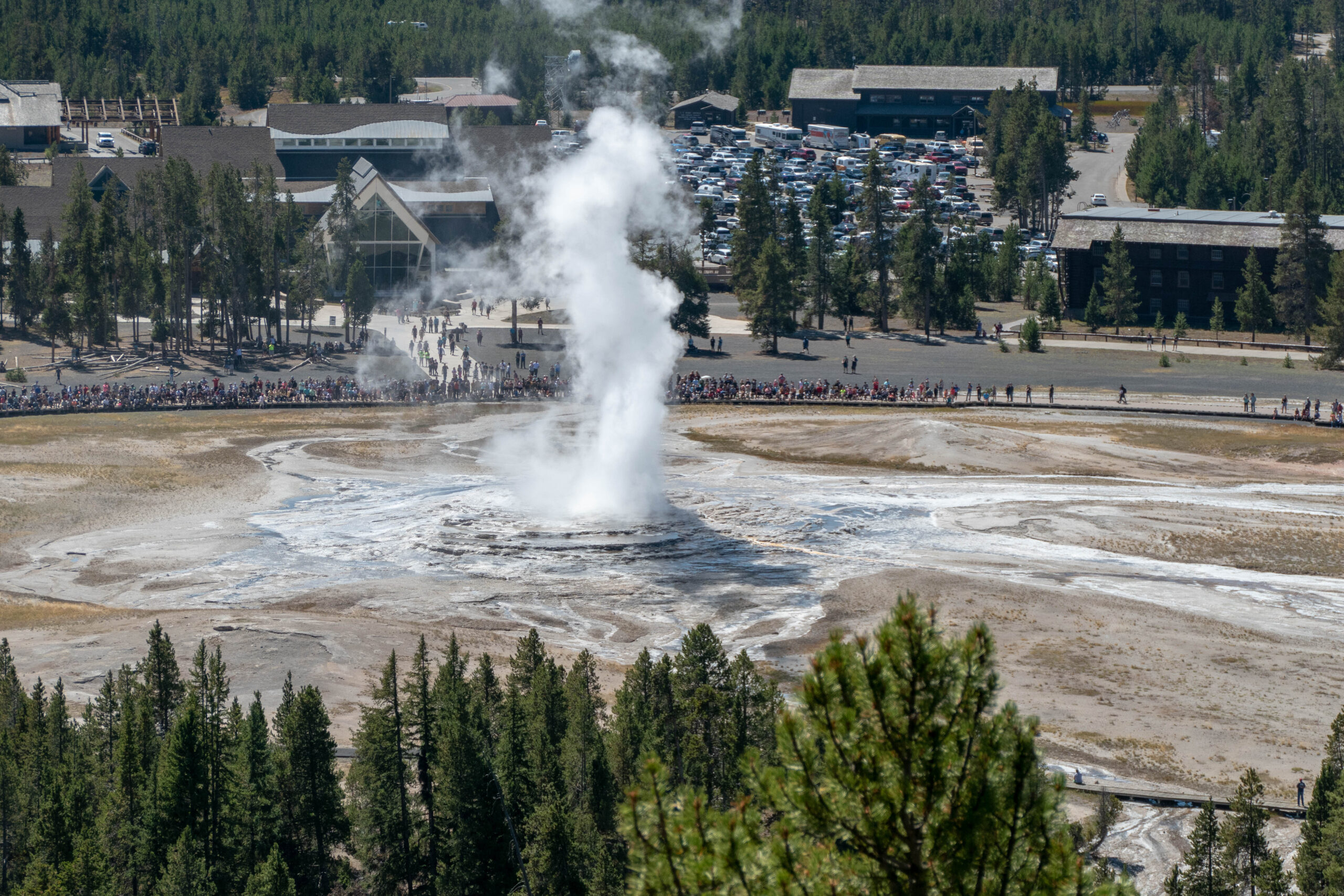
Old Faithful is famous for a reason. Visitors gather around the viewing area as the geyser builds, releases a burst of steam and sends a column of hot water into the air. The eruption is not timed like a clock, but park staff publish predictions when the visitor education center is operating.
Do more than arrive, take a photograph and leave. The surrounding Upper Geyser Basin contains one of the greatest concentrations of geysers in the world. Boardwalks lead past hot springs, geyser cones and other erupting features. Castle, Grand, Daisy and Riverside are among the larger geysers for which predictions are sometimes available.
- Where: Old Faithful area, southwest Yellowstone.
- Getting there: Follow the West Entrance road through Madison and continue south to Old Faithful, or approach from the south via West Thumb when that road is open.
- Time to allow: At least 1–2 hours for the eruption; half a day or more if exploring the Upper Geyser Basin.
- Practical tip: Check the NPS geyser prediction page or app, use the boardwalks, and arrive early for a good viewing position.
2. See Grand Prismatic Spring at Midway Geyser Basin
Grand Prismatic Spring is Yellowstone’s largest hot spring and one of its most recognisable sights. Its deep blue centre is surrounded by rings of green, yellow, orange and rust-red colour created by heat-loving microbial communities around the spring’s edges. Steam rises from the water, sometimes softening the colours and sometimes making the whole basin feel otherworldly.
The Midway Geyser Basin boardwalk gives you a close, ground-level view. For the full circular pattern, the Grand Prismatic Overlook trail from the Fairy Falls Trailhead provides an elevated perspective. Parking is limited, so this is a place where an early start makes a real difference.
- Where: Midway Geyser Basin, north of Old Faithful along the Grand Loop Road.
- Getting there: Drive north from Old Faithful toward Madison; the basin is a short distance along the road.
- Time to allow: Around 45–90 minutes for the boardwalk; longer if hiking to the overlook.
- Practical tip: Stay on boardwalks and designated trails. The ground around thermal features can be thin and dangerously hot.
3. Stand above the Grand Canyon of the Yellowstone
The Grand Canyon of the Yellowstone is a dramatic, colourful gorge carved by the Yellowstone River. Its yellow, orange and cream-coloured walls frame waterfalls and turbulent water far below. The scale is difficult to appreciate from a photograph; from the rim, the canyon seems to open suddenly beneath your feet.
Artist Point is the classic view of the Lower Falls, but it is not the only worthwhile stop. Lookout Point, Grand View, Inspiration Point and the Brink of the Lower Falls offer different perspectives. On a sunny day, spray from the waterfall can create a rainbow in the canyon.
- Where: Canyon area in the centre of the park.
- Getting there: Follow signs to Canyon Village, then use the North or South Rim Drive depending on your chosen viewpoint.
- Time to allow: Two to three hours for several overlooks; longer if hiking rim trails.
- Practical tip: Use marked paths and stay behind barriers. Do not walk off-trail near canyon edges.
4. Walk the terraces at Mammoth Hot Springs
Mammoth Hot Springs looks different from Yellowstone’s other thermal areas. Instead of vivid pools surrounded by flat boardwalks, mineral-rich water flows over terraces of travertine, building pale steps and sculpted formations. The colours and shapes change as water moves through the system, so a terrace that looks active one season may look different the next.
Explore the Lower Terraces on boardwalks, then drive Upper Terrace Drive for additional viewpoints. The nearby Mammoth area also has historic buildings associated with Fort Yellowstone and the early administration of the park.
- Where: Northern Yellowstone, close to the North Entrance and Gardiner, Montana.
- Getting there: Enter through Gardiner and follow the road south to Mammoth.
- Time to allow: Two hours or more for the terraces and historic district.
- Practical tip: Boardwalk grades and routes vary. Check current accessibility and closure information before visiting.
5. Search for wolves and wildlife in Lamar Valley
Lamar Valley is often called one of the best places in Yellowstone to watch wildlife. The broad valley and open hillsides make it easier to scan for animals than in dense forest. Bison are commonly seen, and the area is well known for opportunities to observe wolves, although sightings are never guaranteed.
Bring binoculars or a spotting scope if you have one. Early morning and evening are often productive times because wildlife may be more active and the light is softer. Be patient, use established pullouts and never block the road while watching animals.
- Where: Northeast Yellowstone, between Tower Junction and the Northeast Entrance.
- Getting there: From Mammoth, drive east via Tower Junction; from Cooke City, enter through the Northeast Entrance.
- Time to allow: Two hours or more; wildlife watching can take much longer.
- Practical tip: Keep at least 100 yards from bears and wolves and at least 25 yards from bison and other large animals. Use binoculars instead of approaching.
6. Watch wildlife in Hayden Valley
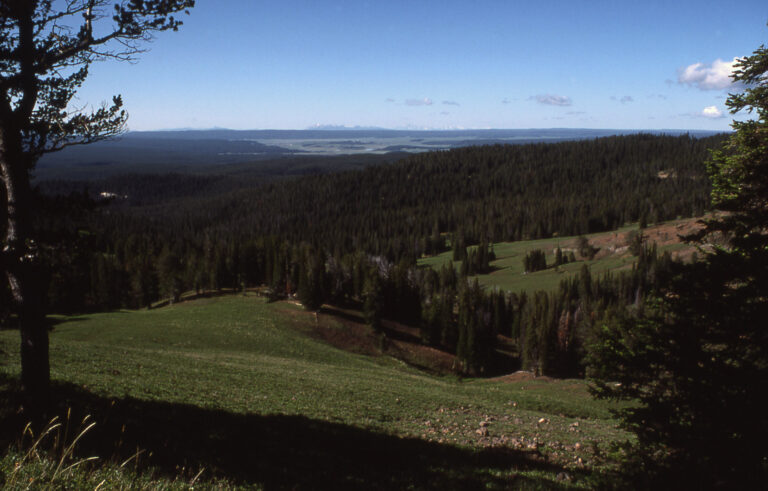
Hayden Valley offers another excellent opportunity to watch Yellowstone’s wildlife in a wide-open landscape. Bison often graze across the valley, while coyotes, bears, wolves, elk and a variety of birds may also be seen. The Yellowstone River winds through the valley, creating wetlands and open meadows that attract animals.
Unlike Lamar Valley, Hayden is especially convenient for visitors travelling between Canyon Village and Yellowstone Lake. Pullouts can become busy when wildlife is close to the road, so follow ranger instructions and never stop in traffic lanes.
- Where: Central Yellowstone, south of Canyon Village and north of Yellowstone Lake.
- Getting there: Follow the Grand Loop Road between Canyon and Fishing Bridge.
- Time to allow: One to two hours, or more for patient wildlife watching.
- Practical tip: Bring binoculars and maintain the required wildlife distances.
7. Spend time beside Yellowstone Lake
Yellowstone Lake is one of the largest high-elevation lakes in North America. Its broad surface, forested shoreline and mountain backdrop create a different mood from the park’s geyser basins and canyon overlooks. On calm days, the water can reflect the sky and surrounding peaks; on windy days, waves make it clear how large and exposed the lake is.
Lake Village, Bridge Bay and Fishing Bridge are useful places to explore the shoreline and find services when open. Visitors can also take in the lake from scenic pullouts and designated picnic areas. Water temperatures remain cold, even in summer, so do not treat the lake like a warm swimming beach.
- Where: East-central Yellowstone.
- Getting there: Follow the Grand Loop Road from Canyon Village or the East Entrance toward Lake Village.
- Time to allow: One to two hours for scenic stops; longer for boating or other permitted activities.
- Practical tip: Check boating rules and weather conditions. Cold water and sudden winds can make the lake hazardous.
8. Explore West Thumb Geyser Basin
West Thumb is the largest geyser basin on the shore of Yellowstone Lake. Its boardwalks pass hot springs, geysers and colourful thermal features with the lake visible just beyond them. The contrast between steaming pools and the cool, open water is what makes this basin distinctive.
Some thermal features extend beneath the lake itself. The basin sits within a much older volcanic structure, often described as a caldera within the larger Yellowstone Caldera. It is a fascinating place to see how the park’s geothermal activity and lake landscape meet.
- Where: Western shore of Yellowstone Lake, south-central park.
- Getting there: Follow the Grand Loop Road between Old Faithful/Grant Village and Fishing Bridge when the road is open.
- Time to allow: Around 45–75 minutes for the boardwalk.
- Practical tip: Stay on the boardwalk. The West Thumb Information Station has had a separate closure notice; check current facility status rather than assuming services are open.
9. Discover the changing thermal landscape at Norris Geyser Basin
Norris Geyser Basin is one of Yellowstone’s hottest and most dynamic thermal areas. Its features can change with seismic activity and shifts in underground water. The basin is divided into Porcelain Basin, an open landscape of steaming features and mineral colours, and Back Basin, where boardwalks wind among trees and scattered hot springs.
Steamboat Geyser, the world’s tallest active geyser, is here. Its major eruptions can reach extraordinary heights, but they are unpredictable and may be separated by long intervals. Visit for the basin itself rather than planning your day around a major eruption.
- Where: Norris Junction, between Mammoth and Madison/Canyon.
- Getting there: Follow the Grand Loop Road to Norris Geyser Basin.
- Time to allow: Two hours or more for both basin loops.
- Practical tip: Boardwalks and bare-ground paths can be exposed to steam and heat. Remain on designated routes.
10. See Tower Fall and the Yellowstone River
Tower Fall drops through a narrow rock opening framed by distinctive column-like formations. The waterfall is a memorable stop in the northern part of the park, and the nearby Tower-Roosevelt area provides access to scenic drives and hiking routes.
Use the designated viewing area and check the current trail status before planning a longer walk. Trail access and viewpoints can change because of erosion, maintenance or other safety concerns.
- Where: Northeast of Canyon Village, near Tower Junction.
- Getting there: Follow the road between Canyon and Tower Junction when Dunraven Pass is open, or approach from the north via Mammoth/Tower Junction.
- Time to allow: 30–60 minutes for the main stop.
- Practical tip: Do not climb over barriers or attempt unofficial routes to the river.
11. Walk among bubbling mud pots at Fountain Paint Pot
Fountain Paint Pot is a compact thermal area where you can see several kinds of geothermal activity in one stop: bubbling mud pots, hot springs, fumaroles and geysers. The mud changes consistency with the amount of water available, sometimes bubbling like a thick pot and sometimes appearing more like a wet clay surface.
The short boardwalk loop makes this a useful stop for visitors who want to understand Yellowstone’s geothermal variety without committing to a long walk.
- Where: Lower Geyser Basin, north of Old Faithful along the Firehole River area.
- Getting there: Follow the Grand Loop Road between Madison and Old Faithful.
- Time to allow: 30–60 minutes.
- Practical tip: Stay on boardwalks and keep children close. Thermal crust can be thin and water can be scalding.
12. Drive the Grand Loop Road and connect the park’s highlights
The Grand Loop Road is the main road network connecting Yellowstone’s developed areas and many of its most famous sights. It forms a broad figure-eight route, with an upper loop and a lower loop. Driving it is not simply a way to get from one attraction to another: the road itself passes forests, rivers, valleys, lakes and mountain scenery.
Do not assume you can drive the whole loop quickly. The park map lists a Grand Loop of about 142 miles, and the drive takes substantially longer once stops, wildlife jams, road work and changing conditions are included.
- Where: Connects the park’s main developed areas.
- Getting there: Access depends on your entrance and the current seasonal road network.
- Time to allow: A full day or more to explore meaningfully; split the route across several days.
- Practical tip: Use the official NPS road map and check road status before each day’s drive. GPS apps may not reflect current closures.
13. Hike Mount Washburn for high-country views
Mount Washburn is a prominent peak in the central part of Yellowstone, with hiking routes that climb through open slopes toward wide views of the surrounding plateau. On a clear day, the summit area provides a remarkable sense of Yellowstone’s scale.
This is a more demanding outing than a short boardwalk. The trail is exposed to weather, and snow can linger at high elevation. Do not attempt it if storms, strong winds, snow or trail closures make conditions unsafe.
- Where: Central Yellowstone, reached from trailheads near Dunraven Pass or Chittenden Road when open.
- Getting there: Use the official trail information and current road status to select an open trailhead.
- Time to allow: Several hours; check the current route distance and elevation gain before starting.
- Practical tip: Carry water, layers, sun protection and bear spray; turn back if weather deteriorates.
14. Photograph the Roosevelt Arch at the North Entrance
The Roosevelt Arch stands at the North Entrance near Gardiner, Montana. Its stone construction and inscription, “For the Benefit and Enjoyment of the People,” make it one of Yellowstone’s most recognisable historic landmarks. It is a fitting introduction to a park whose creation helped shape the national park idea.
The arch is easy to combine with Mammoth Hot Springs and the historic district. Stop in a safe designated area and be mindful of traffic around the entrance.
- Where: North Entrance, Gardiner, Montana.
- Getting there: Follow US-89 through Gardiner to the park entrance.
- Time to allow: 15–30 minutes for photographs and a short stop.
- Practical tip: This is an easy year-round access-area stop, but winter road conditions can still change.
15. Take the Firehole Canyon Drive when it is open
Firehole Canyon Drive is a short scenic side road that follows the Firehole River through a narrow canyon. The route offers views of the river and Firehole Falls, and it provides a quieter change of pace from the busiest geyser basins.
It is a seasonal one-way road, so check access before making it part of your itinerary. Swimming is permitted only in designated swimming areas when they are open, and conditions can change. Never enter water near thermal features or fast-moving currents.
- Where: Near Madison Junction in the western part of the park.
- Getting there: Follow signs from the Madison area when the drive is open.
- Time to allow: 30–60 minutes including stops.
- Practical tip: Check current swimming-area rules and road status; do not assume the area is open year-round.
Best time to visit Yellowstone National Park
Yellowstone is open 365 days a year, but the experience changes dramatically by season. Most park roads are not open to regular vehicles year-round, and many services close from early November through late April.
Spring (April–May)
Spring brings snowmelt, rushing rivers and emerging wildlife activity, but roads open in stages and dates depend on weather and maintenance. Some higher-elevation areas remain snowy or muddy. Check the opening schedule rather than assuming every road is accessible.
Summer (June–August)
Summer generally offers the broadest access to roads, services and hiking trails. It is also the busiest season. Start early, expect traffic near famous attractions, and allow extra time for wildlife jams and parking.
Autumn (September–October)
Autumn brings cooler weather, changing colours and the elk rut. Wildlife watching can be rewarding, but snow can arrive at any time and some high-elevation roads close earlier than others. Check the official seasonal road schedule.
Winter (November–March)
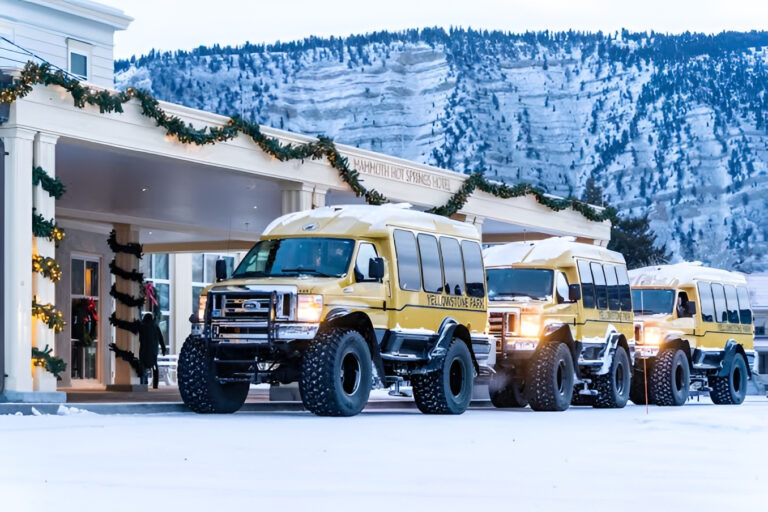
Winter transforms Yellowstone into a snow-covered landscape, but regular vehicle access is highly restricted. Most roads close to wheeled vehicles. Some routes open to permitted snowmobiles and commercially guided snowcoaches, while the road between the North and Northeast entrances is generally the only route open to regular vehicles, weather permitting.
Important current access note: As of November 4, 2026, NPS reports that most park roads have closed to regular vehicles for the winter season. The North Entrance–Northeast Entrance route is the regular-vehicle route generally remaining open, subject to weather. Winter oversnow travel is scheduled to begin December 15, 2026, weather permitting. Always check live conditions before travel.
How to plan a 3-day Yellowstone itinerary
Day 1 — Old Faithful, Grand Prismatic and the geyser basins
- Morning — Old Faithful: Check the predicted eruption time and explore part of the Upper Geyser Basin boardwalks.
- Late morning — Midway Geyser Basin: Walk the boardwalk around Grand Prismatic Spring.
- Early afternoon — Grand Prismatic Overlook: If the trail and parking are open and you have the time, take the elevated-view hike.
- Afternoon — Fountain Paint Pot: Add a shorter stop to see mud pots, fumaroles and geysers.
- Evening: Stay near West Yellowstone, Madison or Old Faithful depending on lodging availability and road access.
Day 2 — Grand Canyon of the Yellowstone and Hayden Valley
- Morning — Canyon area: Visit Artist Point and other open overlooks of the Lower Falls.
- Late morning — North Rim: Choose accessible viewpoints and short walks according to current trail conditions.
- Lunch — Canyon Village: Use available services or bring a packed lunch.
- Afternoon — Hayden Valley: Drive slowly, use pullouts and scan the valley with binoculars.
- Evening — Yellowstone Lake: If roads and daylight allow, continue south for a lakeshore stop.
Day 3 — Mammoth, Lamar Valley and the northern range
- Early morning — Lamar Valley: Set aside time for wildlife watching and bring binoculars.
- Late morning — Tower Fall: Visit if the relevant road and viewpoint are open.
- Afternoon — Mammoth Hot Springs: Explore the terraces and historic district.
- Late afternoon — Roosevelt Arch: Finish near the North Entrance at Gardiner.
This is a warm-season itinerary and is not suitable as written for the November–April road closure period. Yellowstone’s distances are substantial. Use the current NPS map, confirm every road segment and consider staying in different gateway communities if you are visiting for several days.
Where to stay when visiting Yellowstone
West Yellowstone, Montana
A practical base for the West Entrance, Madison Junction and the geyser basins. It has a range of accommodation and visitor services outside the park.
Gardiner, Montana
Convenient for the North Entrance, Mammoth Hot Springs and the northern range. It is especially useful when other entrances close for winter.
Cooke City or Silver Gate, Montana
Useful for the Northeast Entrance and Lamar Valley. Check winter access and services carefully because conditions can be severe and facilities are limited.
Inside the park
In-park lodges and campgrounds can reduce driving between areas, but reservations are important and often fill far ahead. Operating dates vary by property and season. Check official Yellowstone lodging information before booking.
How much does it cost to visit Yellowstone?
Yellowstone requires an entrance pass. The NPS fee page lists a standard private-vehicle pass at $35 for seven consecutive days, a motorcycle pass at $30, and an individual pass at $20 for visitors entering on foot, bicycle or similar non-motorised means. Fees can change, so confirm the current price before travel.
Non-U.S. resident fee: As of 2026, Yellowstone is among the parks charging an additional $100 fee for non-U.S. residents aged 16 and older, in addition to the standard entrance pass, unless covered by an applicable America the Beautiful annual pass exemption. Check the official fee page for eligibility and the latest rules before travelling.
Vehicle reservations are not required to enter Yellowstone, but lodging and campground reservations are strongly recommended. Some activities, including backcountry camping, boating and fishing, have separate permits or rules.
- Park entrance pass.
- Accommodation or campground fees.
- Fuel and food.
- Optional guided tours or winter transportation.
- Equipment rental and activity permits where applicable.
Important things to know before your first visit
1. Check road status before every drive
Yellowstone has five entrances and several hours can separate them. GPS apps may not reflect closures or seasonal restrictions. Use the official NPS road status map, call the road information line or sign up for road alerts before travelling.
2. Stay on boardwalks in thermal areas
Hot springs and geyser basins are not safe places to wander off-trail. Thin ground can collapse, and water can be hot enough to cause severe burns. Keep children close and follow all barriers and signs.
3. Keep a safe distance from wildlife
Stay at least 100 yards (91 metres) from bears and wolves and at least 25 yards (23 metres) from bison, elk and other wildlife. Bison can run much faster than people and may charge without much warning. Never approach an animal for a photograph.
4. Carry bear spray when hiking
Yellowstone is bear country. Carry bear spray where it is accessible, know how to use it and make noise where visibility is limited. Follow current NPS bear-safety guidance and store food and scented items properly.
5. Prepare for fast-changing weather
Snow can fall in any month, and temperatures can change quickly with elevation and storms. Bring layers, rain protection and suitable footwear even in summer. Check forecasts for the specific area you plan to visit.
6. Allow more time than your map suggests
Wildlife jams, construction, limited parking, road closures and slow scenic driving can add significant time. Avoid planning a day that depends on reaching several distant attractions at exact times.
7. Do not rely on mobile reception
Cell coverage is limited in much of the park. Download maps, save reservations and directions, and carry a paper map or offline navigation option.
Frequently asked questions
How many days do you need in Yellowstone?
Three days is a useful minimum for a highlights-focused first visit, but four to five days gives you more time for wildlife watching, hiking and the park’s distant regions. Yellowstone is too large to explore thoroughly in a single day.
Do you need a reservation to enter Yellowstone?
No vehicle reservation is required to enter the park, but an entrance pass is required. Lodging and campground reservations are separate and should be made well in advance.
What is the best entrance for first-time visitors?
It depends on your itinerary. The West Entrance is convenient for Old Faithful and the geyser basins; the North Entrance works well for Mammoth and the northern range; the South Entrance is useful for visitors combining Yellowstone with Grand Teton when the route is open.
Can you see Old Faithful every day?
Old Faithful erupts frequently, but intervals vary. Check the latest NPS prediction before planning your visit and remember that predictions may not be available when the visitor education center is closed.
Can you swim in Yellowstone’s hot springs?
No. Swimming or soaking in park hydrothermal features is prohibited and extremely dangerous. Certain designated swimming areas may be open under specific conditions; check current NPS rules before entering any water.
Is Yellowstone open in winter?
Yes, but most roads close to regular vehicles. Winter visitors may use limited routes and permitted oversnow transportation such as guided snowcoaches or authorised snowmobiles. Access and services are restricted.
What animals can you see in Yellowstone?
Wildlife includes bison, elk, bears, wolves, coyotes, pronghorn, bighorn sheep, moose and many bird species. Sightings depend on season, location and luck. Observe from a safe distance.
Final thoughts: Let Yellowstone set the pace
Yellowstone is not a park to rush through. You may arrive at a geyser basin expecting to spend twenty minutes and find yourself lingering for an hour. A bison herd can bring traffic to a standstill. A quiet stretch of lake shore may become the moment you remember long after the trip is over.
Choose a few regions and give them time. Watch Old Faithful, walk the boardwalks around Grand Prismatic Spring, stand above the canyon, and leave room for an unplanned wildlife stop. If you have three days, organise them geographically and resist the temptation to cross the park repeatedly.
The best Yellowstone trip is not the one where you tick off every attraction. It is the one where you have enough time to notice what makes each place different.
Official sources and further trip-planning resources
- Yellowstone National Park — official website
- Park roads, entrances and current road status
- Current conditions and alerts
- Entrance fees and passes
- Permits and reservations
- Wildlife, thermal-area and visitor safety
- Old Faithful and Upper Geyser Basin
- Canyon area and Hayden Valley
- Seasons and weather
Editorial note: This is a research-based visitor guide, not a claim of firsthand travel experience. Park fees, nonresident requirements, road access, trail conditions and facility schedules can change. The winter access note reflects NPS information checked November 4, 2026. Confirm current details with the National Park Service before travelling.
About Wild Trail Atlas
Wild Trail Atlas creates practical outdoor travel guides to help readers plan national park visits, hikes, scenic drives and nature trips. Our editorial team uses official park information and other reliable sources to explain routes, visitor requirements, seasonal considerations and planning details. We review time-sensitive information and encourage readers to confirm current conditions with the relevant land manager before setting out.
Before You Go
- Check the current official access and conditions information before departure.
- Confirm seasonal closures, permits, reservations and transportation requirements that may apply.
- Build extra time into the day for parking, weather, road conditions and unexpected delays.
- Use the guide as a planning framework and verify time-sensitive details with the responsible land manager or official destination source.
- Treat driving times as planning estimates rather than guarantees, especially on scenic or mountain routes.
More from Wild Trail Atlas