Yellowstone National Park can give you the kind of days you remember for the rest of your life: steam rising from a bright blue hot spring, a bison crossing the road ahead of you, or the thunder of the Lower Falls echoing through the canyon. But the same trip can become frustrating—or dangerous—when you arrive with the wrong expectations.
The park is enormous, the weather can change quickly, wildlife moves on its own schedule, and some of its most beautiful places are also hazardous. These are seven mistakes worth avoiding before you set out. A little preparation can protect the time, money and memories you have travelled so far to make.
1. Underestimating how big Yellowstone really is
Yellowstone covers nearly 3,500 square miles. It is not a compact park where you can pop between famous sights in a few minutes. The National Park Service notes that about 50 miles of road separates Old Faithful from the Grand Canyon of the Yellowstone. Even that drive is only part of the day: you still need time to park, walk to viewpoints, wait for wildlife and enjoy each place.
Trying to squeeze Old Faithful, Grand Prismatic Spring, Mammoth Hot Springs, Lamar Valley and the Lower Falls into one day can turn a special visit into hours behind the wheel. You may reach every parking lot but barely experience any of them.
Do this instead: Choose one or two nearby areas each day. For example, pair Old Faithful with the Upper Geyser Basin and nearby thermal features, or spend a day around Canyon Village and the Grand Canyon of the Yellowstone. Check the NPS drive-time estimates and add extra time for stops, roadwork and wildlife jams.
Useful planning note: NPS average drive times include West Entrance to Madison Junction (about 30 minutes), Madison Junction to Old Faithful (35–45 minutes), and Canyon Village to Tower Junction (50–60 minutes). These are estimates, not promises.
2. Assuming every road and entrance is open
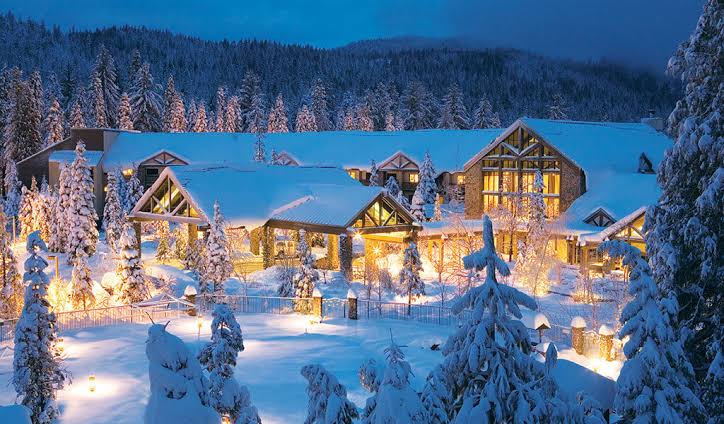
One of the most expensive planning mistakes is building your itinerary around a road that is closed for the season or temporarily restricted. Yellowstone has five entrance stations, but they do not all provide the same access throughout the year. Most park roads close to regular vehicles from early November into late April, while winter travel on many routes is limited to guided snowmobiles and snowcoaches.
Road opening dates can change with snow and other conditions. A route shown by a navigation app may not be available to ordinary vehicles, and a closure can force a long detour or change the area you can visit that day.
Do this instead: Check the official NPS Yellowstone road status and seasonal opening dates before leaving and again during your trip. Do not rely on GPS alone. Confirm the entrance you plan to use, road construction notices and any short-term closures.
3. Getting too close to bison, bears or other wildlife
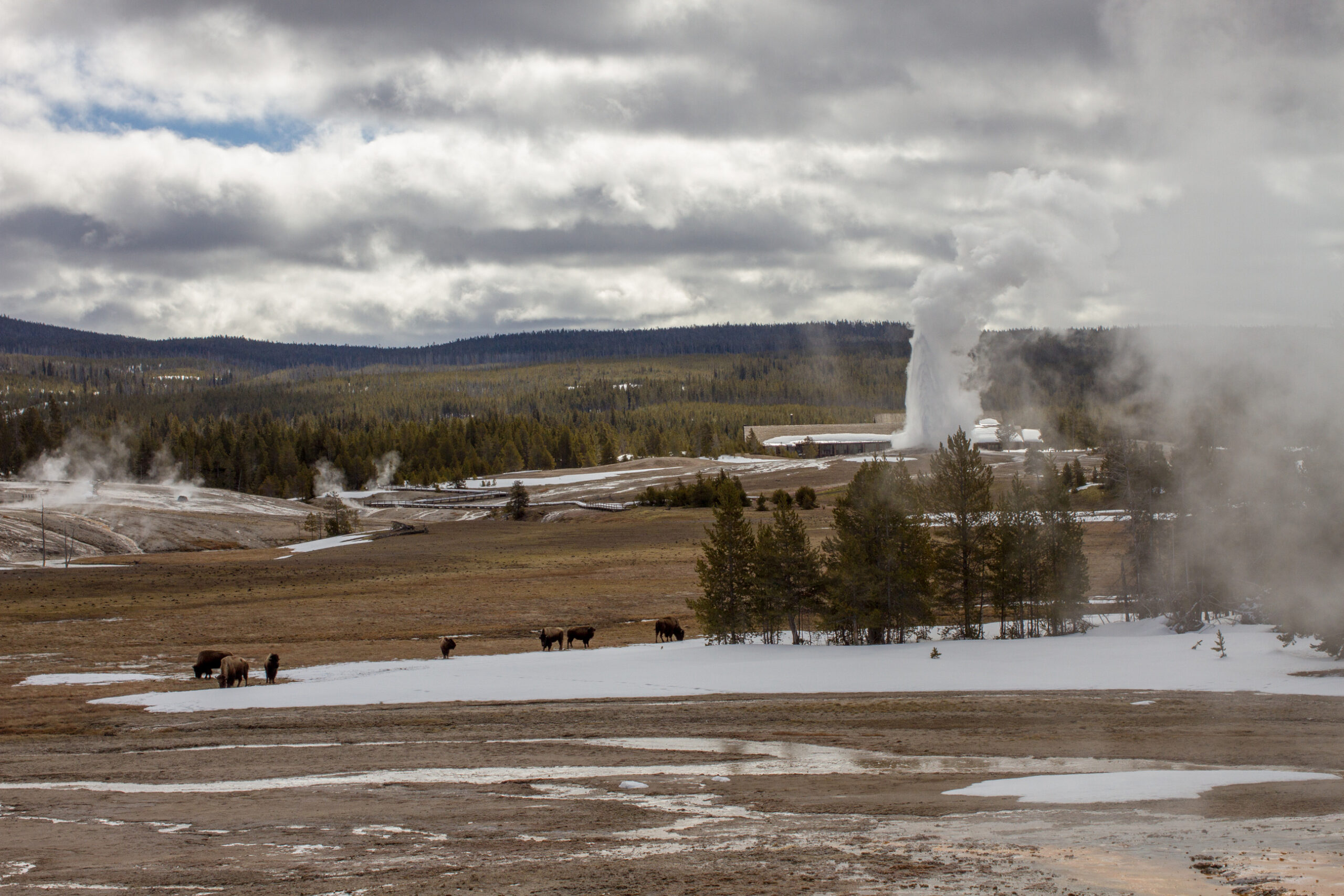
A bison standing beside the road can look calm enough to photograph from a few steps away. That is exactly the kind of moment when visitors forget that Yellowstone animals are wild. Bison can move much faster than they look, and bears can react unpredictably when surprised or approached.
The National Park Service requires visitors to stay at least 100 yards (91 metres) from bears, wolves and cougars, and at least 25 yards (23 metres) from bison, elk and other wildlife. Never approach an animal for a selfie, surround it, feed it or block its path. If traffic backs up because of wildlife, remain patient and do not get out of your vehicle to move closer.
Do this instead: Carry binoculars or a zoom lens, use designated pullouts, and give animals room to move away. If an animal changes its behaviour because of your presence, you are too close. Read the NPS Yellowstone safety guidance before entering the park.
4. Stepping off boardwalks in thermal areas
Yellowstone’s hot springs, geysers and colourful mineral pools are extraordinary. Their edges can also be deceptive. Ground that looks firm may be a thin crust above boiling or near-boiling water. People have suffered severe burns after leaving designated paths, and thermal water can injure you even when it is not visibly bubbling.
This is not a place to step closer for a better photograph, let children run ahead or reach down to touch the water. A single misstep can cause life-changing injuries.
Do this instead: Stay on boardwalks and marked trails at all times. Keep children close, obey closures and never touch thermal water or runoff. At Grand Prismatic Spring, use the boardwalk for the basin-level view or the designated overlook trail for an elevated view; do not climb onto fragile ground around the feature.
5. Treating Yellowstone weather like ordinary summer weather
Even if the forecast looks warm in the gateway town, conditions inside the park can be very different. Elevation, wind, rain and sudden temperature changes can turn a comfortable morning into a cold, wet afternoon. In shoulder seasons and winter, snow and ice can affect roads and walking surfaces. A sunny forecast is not a guarantee that every part of the park will feel sunny.
Do this instead: Check the forecast for the specific area you plan to visit, not just the nearest town. Bring layers, a waterproof outer layer, sturdy footwear and extra water. Before a hike, check trail conditions and carry the essentials you would need if you were delayed. In winter, confirm road access and use appropriate cold-weather equipment.
6. Arriving without food, water, fuel or an offline plan
It is easy to assume you can buy what you need whenever you feel like it. In reality, services are concentrated in developed areas and seasonal operating hours vary. Gas is available at locations including Canyon Village, Fishing Bridge, Grant Village, Mammoth Hot Springs, Old Faithful and Tower Junction, but you should not plan to run your tank nearly empty before looking for the next station.
Cell service is also extremely limited. Reception is generally concentrated around a handful of developed areas and can become overloaded in summer. If you depend on live maps, online reservations or messages to find your way, you may discover that your phone is not much help when you need it.
Do this instead: Start the day with a full tank when practical, carry drinking water and food, download maps and park information for offline use, and save your lodging details and key directions. Check the NPS goods and services page for current services and operating dates.
7. Planning every minute and leaving no room for Yellowstone itself
Some of the moments people remember most are not on a schedule: a herd moving across a valley, a sudden geyser eruption, a quiet stretch of river or a view that makes everyone in the car ask to stop. A tightly packed itinerary can make you rush past those moments—or tempt you to stop unsafely when something unexpected appears.
Yellowstone is also a place where traffic, construction, weather and wildlife can change your timing. The NPS advises visitors to expect longer drive times than usual and to use pullouts rather than stopping in the road.
Do this instead: Build a flexible plan with a few priorities, not a minute-by-minute checklist. Leave breathing room for delays, meals and short walks. If a wildlife jam forms, stay in your vehicle and wait for a safe opportunity to move. Pull completely into designated parking areas before taking photographs.
Before you go: a quick Yellowstone trip checklist
- Check current road status, seasonal closures and construction on the official NPS website.
- Plan each day around one or two nearby areas instead of crossing the park repeatedly.
- Keep at least 100 yards from bears, wolves and cougars, and 25 yards from bison, elk and other wildlife.
- Stay on boardwalks and designated trails in every thermal area.
- Pack layers, rain protection, water, food and suitable footwear.
- Download maps and key information for offline use because cell service is limited.
- Keep your fuel level comfortable and check which services are operating.
- Allow extra time and use pullouts instead of stopping in the road.
Make room for the trip you came to have
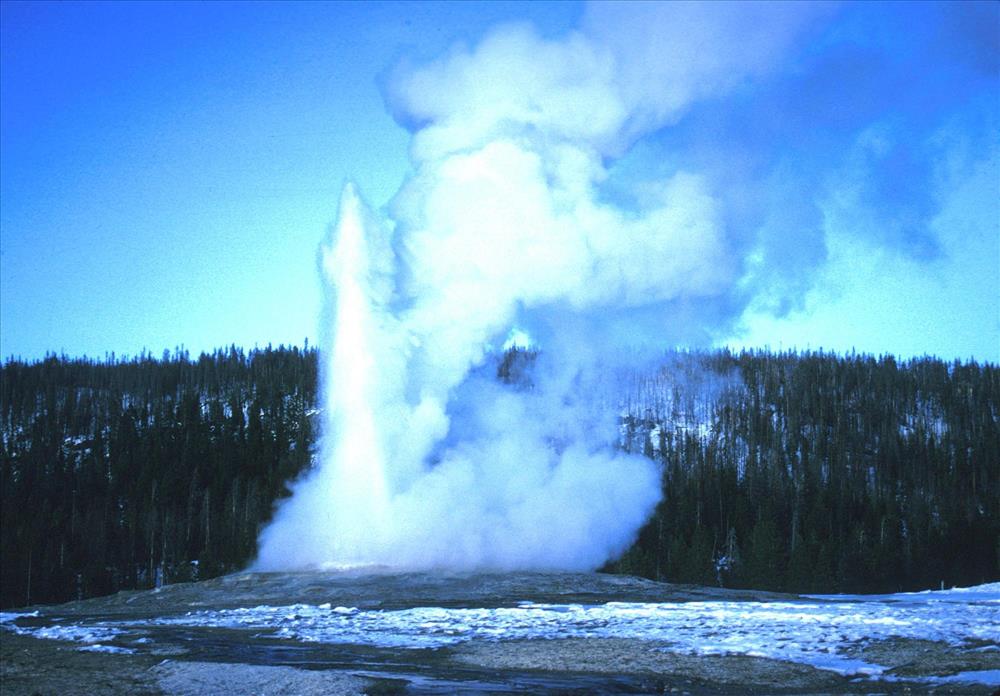
Yellowstone does not need to be conquered in a day. It is better experienced with patience: time to watch a geyser, space to admire a bison from a safe distance, and enough flexibility to change plans when the park asks you to slow down.
Avoid these seven mistakes and you give yourself a better chance of returning with what you hoped for in the first place: extraordinary views, meaningful moments and the feeling that you truly experienced one of America’s great national parks.
Official Yellowstone resources
- Current conditions and alerts
- Road status, closures and opening dates
- Directions, transportation and drive times
- Wildlife, driving and thermal-area safety
- Food, fuel, medical services and cell coverage
More from Wild Trail Atlas