Christmas week in Yosemite is not a guaranteed postcard of deep snow and perfect blue skies. Some years the valley floor wears a white blanket; in others, winter arrives as cold clear mornings, flowing waterfalls and granite cliffs catching the low sunlight. That uncertainty is part of the experience. Come ready for the season Yosemite gives you, not the one you have imagined, and you may find that the quieter pace becomes the best gift of the trip.
This guide focuses on experiences that can make a late-December visit memorable, with practical notes to help you plan safely. Weather, road access, snow depth and operating schedules can change quickly. Check the National Park Service and Yosemite Hospitality updates before setting out.
1. Experience Yosemite Valley in winter

Start with the valley itself. In winter, familiar landmarks feel different: El Capitan rises above quieter meadows, the Merced River moves through cold air, and the cliffs hold the last light long after the valley floor has fallen into shade. Take time to stop at accessible viewpoints, walk the paved paths where conditions allow, and let the landscape set the pace rather than trying to race through a checklist.
Snow on the valley floor is never guaranteed. Yosemite Valley and Wawona are generally accessible by car year-round, weather permitting, while higher roads close seasonally. Keep your plans flexible and check current road conditions each morning.
2. Watch the first light from Tunnel View

Tunnel View is one of the most rewarding places to begin a winter day. From the overlook, the valley opens in a single sweep: El Capitan to the left, Bridalveil Fall to the right and Half Dome in the distance. After a storm, fresh snow and low clouds can transform the view; on a clear morning, the changing light across the granite is reason enough to pause.
Arrive early if you want a quieter stop, but do not linger in the roadway or walk beyond designated viewing areas. The overlook and approach can be icy, and parking spaces are limited during holiday periods.
3. Go ice skating at Curry Village

For a classic Yosemite winter moment, check whether the outdoor Curry Village rink is operating during your visit. Skating beneath Glacier Point and Half Dome has a special sense of place: the cold air, the sound of blades on ice and the cliffs rising beyond the rink make this more than an ordinary afternoon activity.
For the 2026–27 season, Yosemite Hospitality lists the rink from November 13, 2026 through March 1, 2027, with scheduled sessions and holiday variations. Confirm the current session times, ticket availability and weather-related changes before travelling to the rink.
4. Walk the Lower Yosemite Fall area

The Lower Yosemite Fall area is an accessible way to experience one of the park’s best-known waterfalls without committing to a long winter hike. The short loop near the base offers views of the lower cascade and the surrounding cliffs. In colder weather, spray and shaded sections can freeze, so footwear with dependable traction matters more than speed.
Stay on maintained paths, obey closure signs and avoid walking onto ice or frozen water. Water flow and the amount of ice vary with recent weather.
5. Spend a day at Badger Pass Ski Area

If the snowpack and operations allow, Badger Pass offers downhill skiing and snowboarding in a setting framed by Yosemite’s high country. It is also a place to warm up, watch the slopes and enjoy a slower mountain day even if not everyone in your group wants to ski.
The ski area typically operates from mid-December into March, conditions permitting. Do not assume it will be open on a particular Christmas-week date: check lift status, lessons, rentals and road conditions before driving up. Glacier Point Road is plowed to Badger Pass in winter but is closed beyond the ski area.
6. Try snowshoeing or cross-country skiing

When there is enough snow, snowshoeing and cross-country skiing reveal a quieter side of Yosemite. Crane Flat and the Badger Pass area have marked winter routes, ranging from short outings to longer tours. The forest becomes hushed after snowfall, and even a modest outing can feel wonderfully far removed from the busier valley floor.
Routes are not always groomed, markers can be buried, and old tracks may lead somewhere you do not intend to go. Check current route conditions, carry navigation and appropriate layers, and choose a route that matches your experience.
7. Enjoy snow play and tubing when conditions allow

If you are travelling with children or simply want a playful afternoon, look for the designated snow-play area at Crane Flat and the snow-tubing operation run by Yosemite Hospitality. These activities depend on suitable snow and may not operate every day. Bring warm, waterproof clothing and check the current operating notice before making the drive.
Sledding is not permitted at Badger Pass itself. Use only designated snow-play areas, follow posted instructions and pack out everything you bring.
8. Take in the atmosphere at The Ahwahnee

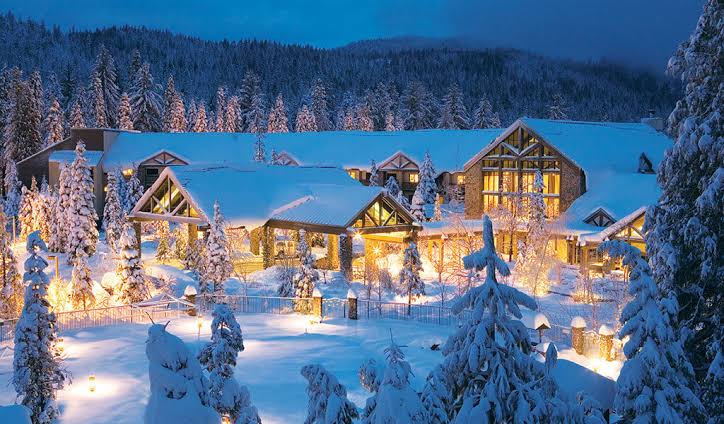
The Ahwahnee is worth seeing for its architecture, grand public spaces and setting beneath Yosemite’s cliffs. During the holiday season, the hotel can feel especially atmospheric. If you are interested in dining or a special seasonal event, check the current schedule and make reservations well ahead; access to facilities and events may be limited to guests or ticket holders.
The celebrated Bracebridge Dinner is a ticketed event with a limited number of performances. The published 2026 dates are December 8, 10, 12, 14, 16, 18, 20 and 22, so it should not be described as an event held on Christmas Day.
9. Look for winter wildlife and photograph the changing light

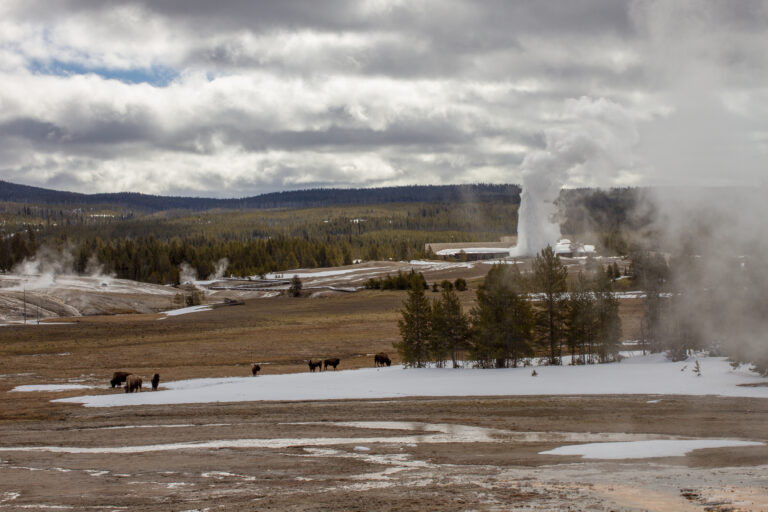
Winter rewards patient observers. Mule deer may be seen in valley meadows, and birds remain active around wooded areas and the river corridor. Sightings are never guaranteed, and animals should be given plenty of space. Use a zoom lens rather than approaching wildlife, never feed animals, and keep food properly stored.
For photographs, try Cook’s Meadow, Valley View and the open areas around Yosemite Valley. Early and late light can bring out texture in the granite, while fresh snow—when it falls—simplifies the scene. Keep camera batteries warm and stay off closed or icy ground.
10. Stay after sunset for a winter sky

When skies are clear, the darkness beyond the valley’s brighter visitor areas can make stargazing a memorable end to the day. Give your eyes time to adjust, dress more warmly than you think you need, and use a dim red light if you have one. Winter nights are long, but cold temperatures and icy roads deserve serious attention.
Choose a safe, legal place to stop, check the forecast and road conditions, and never stand in the road or block traffic for a photograph. If clouds move in, let the stars go; Yosemite is just as worth experiencing in the quiet after dark.
How to plan a Christmas-week visit to Yosemite
- Check road status every day. Tioga Road is closed in winter, and Glacier Point Road is closed beyond Badger Pass. Yosemite Valley and Wawona are generally accessible year-round, weather permitting.
- Carry tire chains. Chains may be required even for four-wheel-drive vehicles. Carry the correct chains and know how to install them.
- Do not count on snow in the valley. Snowfall and snow depth vary; higher elevations are more reliable for winter snow activities.
- Book early. Lodging, dining, skating sessions and special holiday events can fill during the Christmas period.
- Build in daylight. Winter days are short. Avoid planning long unfamiliar drives or hikes late in the afternoon.
- Check official updates. Review NPS current conditions and Yosemite Hospitality operating notices before each activity.
A simple three-day Christmas-week itinerary
Day 1 – Yosemite Valley: Begin at Tunnel View, explore the valley viewpoints and meadows, visit the Lower Yosemite Fall area if paths are open, then finish with an evening skate session if the rink is operating.
Day 2 – Winter recreation: If Badger Pass is open and conditions are suitable, spend the day skiing or snowboarding. Otherwise, choose a lower-elevation valley walk or a suitable snowshoe route only after checking conditions.
Day 3 – Slow moments: Visit The Ahwahnee, look for wildlife from a respectful distance, take photographs in the soft afternoon light and stay for stargazing only if the weather and road conditions are safe.
Make room for the Yosemite you actually find
A Christmas visit does not need perfect snowfall, a packed schedule or a once-in-a-lifetime event to become meaningful. It may be a quiet morning beneath the cliffs, the warmth of a rink-side break, a waterfall moving through winter air or the simple pleasure of watching the last light leave the valley. Plan carefully, stay flexible and leave enough space in the day to notice where you are.
Official planning resources
- National Park Service: Visiting in Winter
- National Park Service: Winter Activities
- National Park Service: Current Conditions
- Yosemite Hospitality and visitor information
Image credits: Images are stored in your WordPress Media Library. Attribution and license information is included in each image caption and attachment description.
More from Wild Trail Atlas