Waterfall hikes are appealing because the destination provides a clear reward, but the word “waterfall” tells you almost nothing about how difficult the trail will be.
Check the return route
Many hikers focus on the distance to the waterfall and forget that the journey back may require climbing. Look at total elevation gain and the terrain you will face in both directions.
NEXT ON THE TRAIL7 Waterfall Escapes in the Pacific Northwest Worth the Detour
Read the terrain description
Roots, mud, scrambling and stream crossings can change a moderate route into a challenging outing.
Consider recent weather
Rain can improve waterfall flow but can also make trails slippery and crossings more difficult.
Choose a turnaround point
Decide before you start how far you will go if conditions deteriorate or your pace is slower than planned.
Final thoughts
The best waterfall hike is one where the scenery makes the effort worthwhile without pushing you beyond your experience or preparation.
Judge the entire route
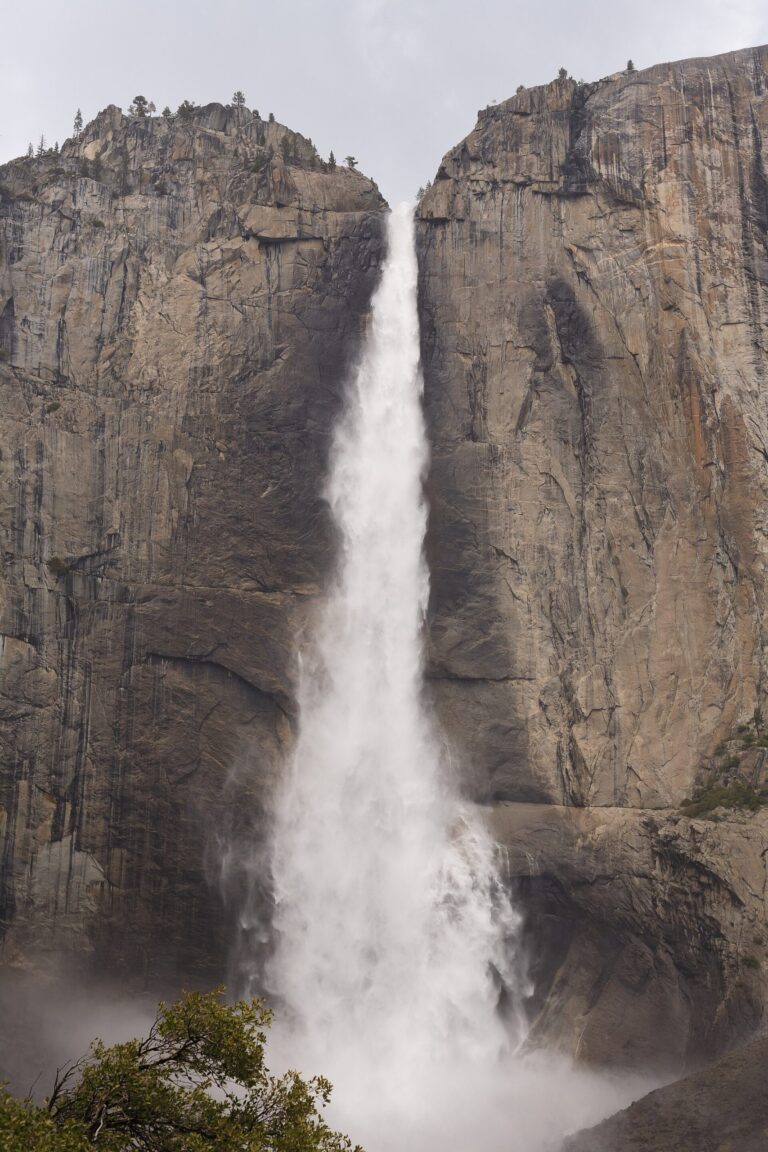
A waterfall destination can look easy in a photo while the trail includes elevation gain, uneven ground, wet surfaces or a difficult return. Compare mileage, elevation, terrain, conditions and the amount of time you have available.
Do not let the destination set the difficulty
The fact that a waterfall is close to a trailhead does not make the hike easy. Read the current trail description and safety information before deciding what is appropriate.
Plan for wet and changing conditions
Waterfall trails can become slippery after rain or during periods of high runoff. Footwear, weather protection, route familiarity and a willingness to turn around are part of matching the trail to your fitness and conditions.
Choose the hike you can enjoy twice
A good match leaves enough energy to return safely and still enjoy the destination. When in doubt, choose a shorter route and use the experience to calibrate your next outing.
Reference: Use current park or land-manager trail information and the U.S. Forest Service safety guidance.
More from Wild Trail Atlas