A beginner-focused guide to choosing easier Smoky Mountains walks around streams, forests, historic areas and overlooks.
Start in the valleys
Lower-elevation walks can provide a gentle introduction to the park through forests and along streams.
NEXT ON THE TRAILMaine Coast in 7 Days: Lighthouses, Quiet Beaches and Acadia
Use waterfalls or historic sites as goals
A clear destination gives a short walk purpose without requiring an aggressive pace.
Expect roots and wet ground
Forest trails can be damp and uneven. Good traction and a slower pace make the experience more comfortable.
Watch the forecast
Mountain weather can change quickly. A flexible plan is safer and more enjoyable.
Leave wildlife alone
View animals from a respectful distance and follow current park rules.
Final thoughts
One scenic route plus extra time for overlooks can make a much better hiking day than a packed list of trails.
Choose by mileage, elevation and conditions
Great Smoky Mountains National Park has a large trail network with hikes that vary by mileage, elevation gain, terrain and weather. An easy outing is not simply one with a short distance; the combination of trail surface, elevation and current conditions matters.
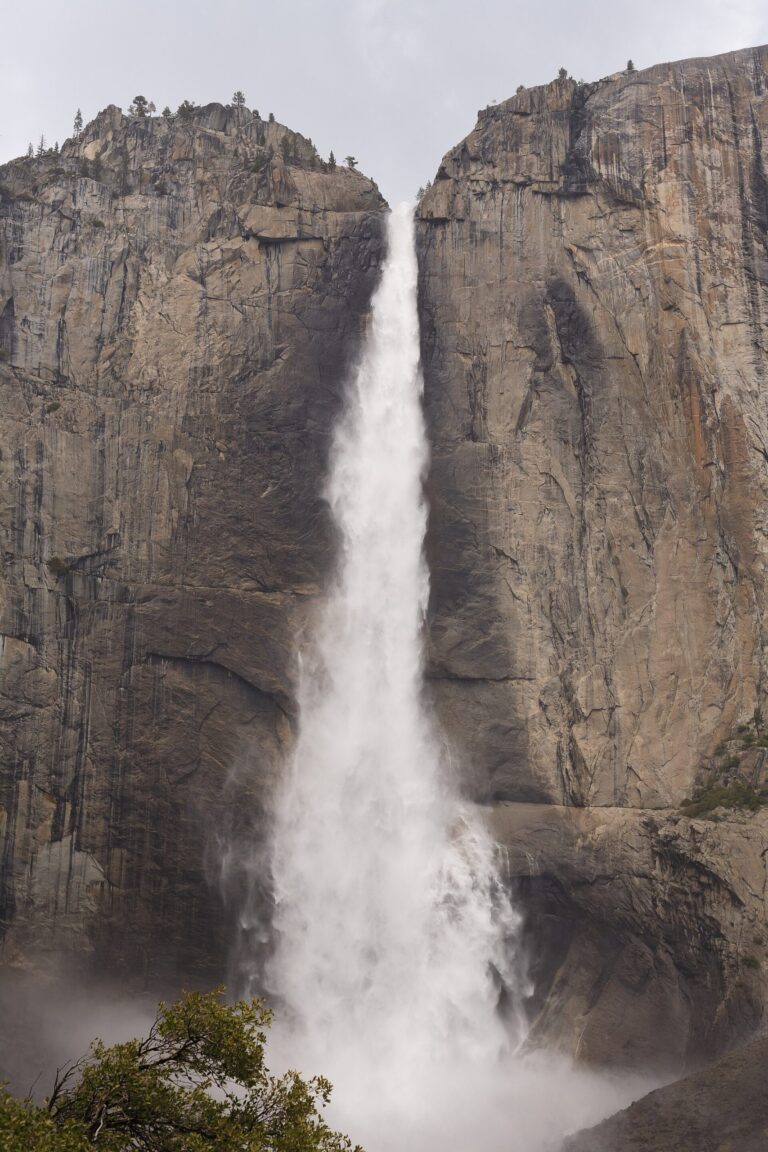
Give waterfall hikes extra time
Waterfall routes can take longer than their mileage suggests because of stream crossings, climbs, wet footing or time spent at the destination. Leave more time than the bare walking estimate when planning a relaxed day.
Plan around the area
Choose hikes that make sense for the part of the park you are already visiting. This reduces driving and allows more of the day to be spent outdoors.
Check current trail conditions
The park advises visitors to review difficulty, hazards, warnings and closures before hiking. Build a backup trail into the plan so one closure does not ruin the day.
Reference: Consult the Great Smoky Mountains day-hike information before leaving.
More from Wild Trail Atlas