How beginners can choose Yosemite hikes by considering distance, elevation, surface, weather and how busy the trail may be.
Compare elevation and distance
A short trail with steady climbing can be harder than a longer, flatter walk. Consider both mileage and elevation gain.
NEXT ON THE TRAILYosemite in 2 Days: A First-Timer’s Itinerary for Seeing More Without Rushing
Look at the surface
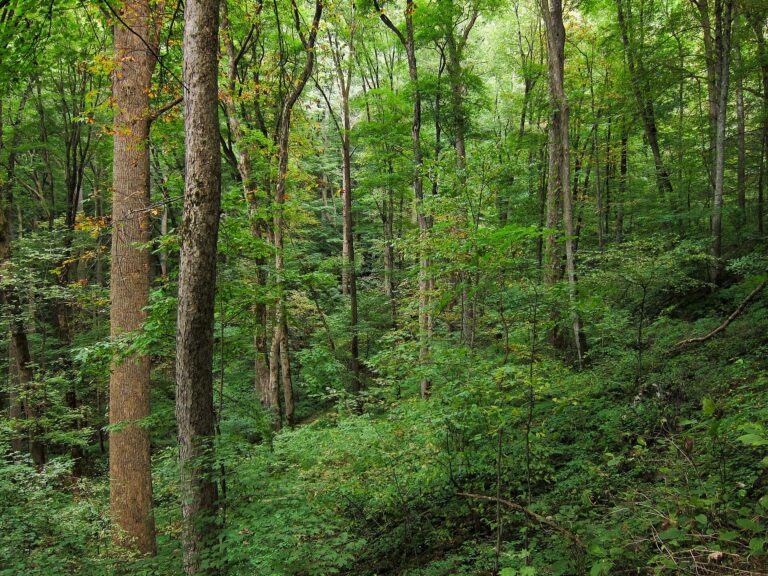
Granite, roots, steps and wet ground affect difficulty. Shoes with good traction are useful on many trails.
Start shorter
Use your first outing to understand how your body responds to the terrain, weather and elevation. You can always choose a longer hike the next day.
Respect conditions
Snow, water levels, heat and storms can change trail safety. Check current park guidance before starting.
Carry the basics
Water, snacks, layers, sun protection and navigation are a sensible foundation.
Final thoughts
Beginner hiking is less about proving distance and more about learning how to move comfortably and confidently outdoors.
Start with the trail, not the photo
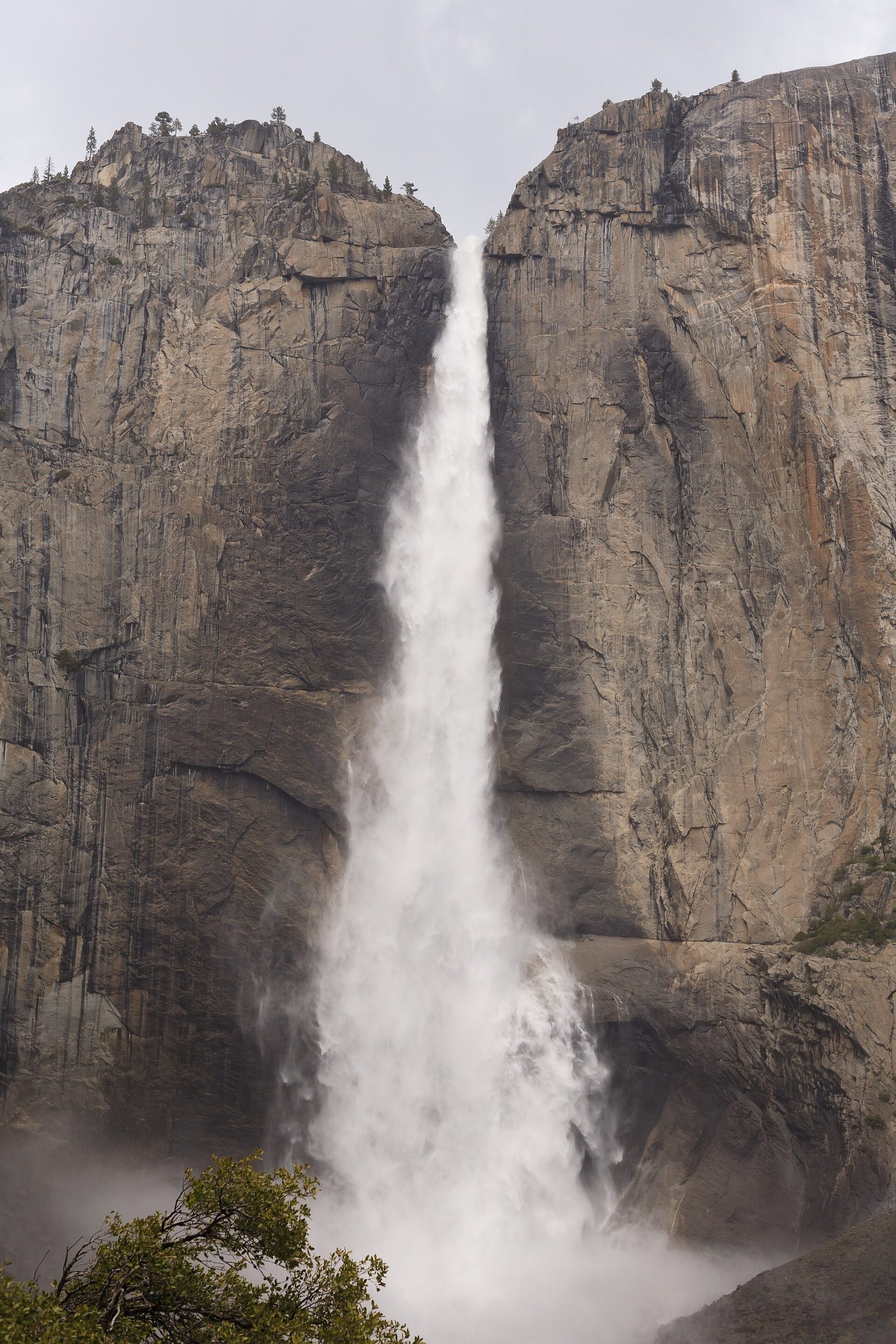
A scenic Yosemite image does not tell you how a trail will feel underfoot. For beginners, compare distance, elevation gain, terrain, seasonal conditions and the amount of time available before choosing a hike.
Use Yosemite Valley strategically
Several easier Yosemite Valley walks are useful for first-time hikers because they can be combined with viewpoints and other park experiences. That makes it easier to create a rewarding day without committing to a demanding route.
Arrive early when the park is busy
Yosemite’s most popular areas can become crowded. An early start can reduce some of the pressure around entrance queues and parking and gives you more usable daylight for walking.
Check seasonal conditions
Snow, water levels, road access and trail conditions can change through the year. Check the latest National Park Service information before relying on an older description.
Reference: The Yosemite Valley day-hike guidance is a useful starting point.
More from Wild Trail Atlas