A practical guide to choosing easier Sedona hikes by looking at terrain, heat, elevation, exposure and the kind of scenery you want.
Check terrain, not just mileage
Short trails can still include steep rock, loose surfaces or exposed sections. Look at elevation and terrain descriptions before deciding what is easy for you.
NEXT ON THE TRAILSedona First-Timer’s Guide: Red Rocks, Trails and Slow Days
Time the hike well
Heat can make exposed routes much harder. Earlier starts are often more comfortable during warm periods.
Choose scenery you care about
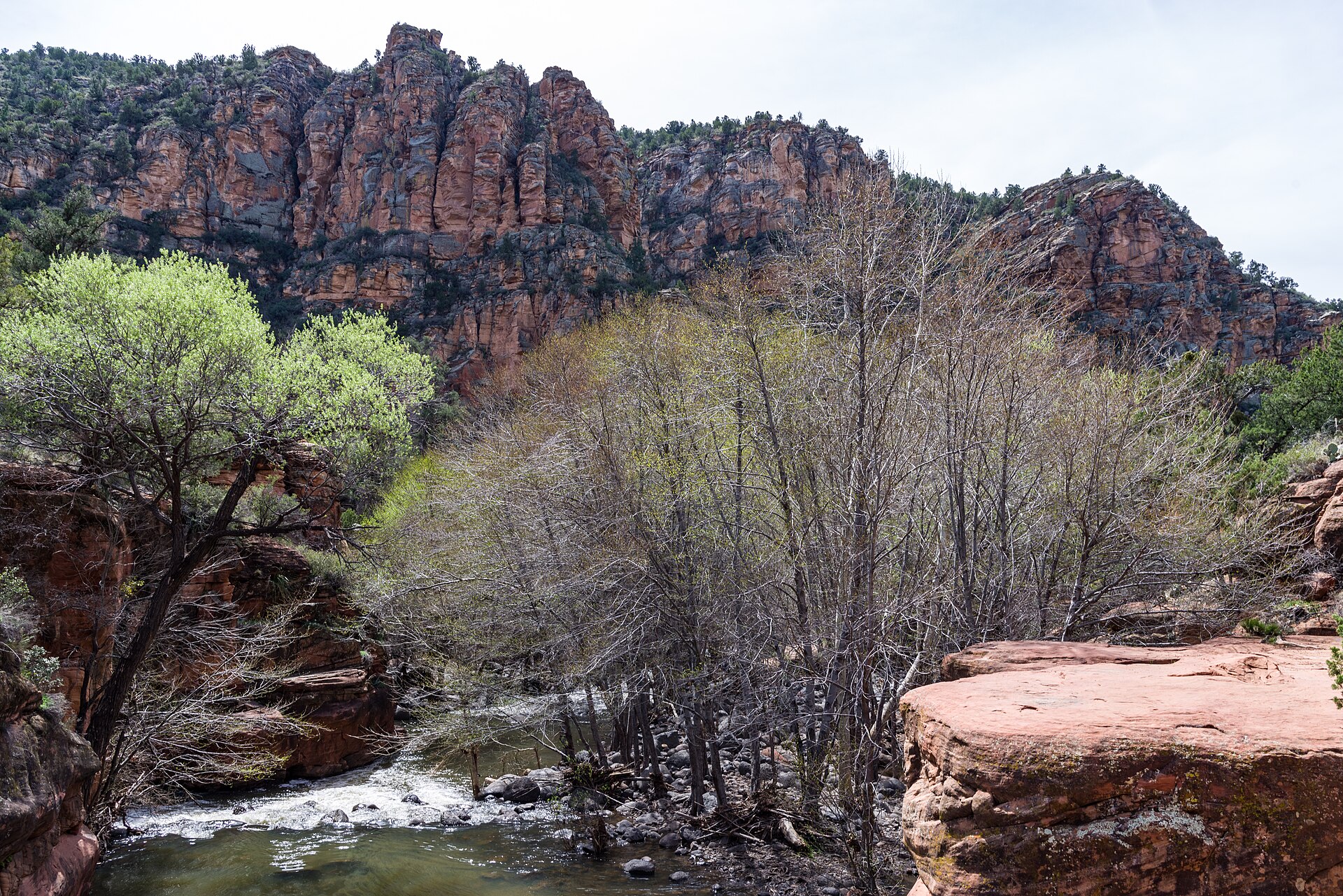
Some hikers want a big overlook while others prefer creekside routes or quieter red-rock corridors. Choose for the experience, not just popularity.
Carry water
Desert hiking requires deliberate hydration planning. Bring enough water for the planned route and a buffer for slower travel.
Download your map
Save navigation information before leaving areas with weak service and pay attention at trail junctions.
Final thoughts
The best easy hike is the one that leaves you with energy to enjoy the landscape after the walking ends.
Compare the whole route
When choosing an easier Sedona hike, look beyond the mileage. Terrain, elevation, exposed sections, route-finding and heat can change how demanding a trail feels.
Choose scenery that fits the day
Sedona has no shortage of photogenic trails, but not every route needs to be a major hike. A shorter scenic walk can work better when you also want time for viewpoints, a drive or another outdoor stop.
Check trailhead access
Parking and access conditions can influence whether an otherwise simple hike fits your schedule. Check current visitor guidance before leaving for a specific trailhead.
Keep one alternative ready
Choose a second trail of similar difficulty in advance. That makes the day more resilient to parking limits, weather changes or a crowded trailhead.
More from Wild Trail Atlas