Your first big hike should challenge you without becoming an exercise in survival. The easiest way to get that balance is to stop choosing hikes based on distance alone.
A five-mile trail with steep climbs can be far more demanding than a flat route twice as long.
NEXT ON THE TRAILDay-Hike Packing List: What to Carry Without Overpacking
Look at elevation gain
Elevation is often the detail that changes the entire experience. A trail that climbs continuously will usually feel very different from one that covers the same distance on flatter ground.
When comparing routes, look at both total distance and total elevation gain.
Pay attention to terrain
Rocky surfaces, loose gravel, roots, stream crossings and exposed ridges can make a moderate trail feel more technical than its mileage suggests.
Read recent trail reports when possible and pay attention to descriptions of footing, not just difficulty labels.
Use a realistic pace
Do not plan your first long hike around the speed of experienced hikers. Build the itinerary around a slower pace and allow time for water breaks, snacks, photographs and unexpected delays.
Choose the right weather window
A route that is comfortable on a cool, dry morning can become very different in heat, rain or high winds. Check the forecast shortly before you leave and be willing to change plans.
Carry the basics
Water, food, a basic first-aid kit, navigation, a charged phone and appropriate layers are a sensible starting point. The exact gear depends on the trail and conditions.
Have a turnaround rule
Decide before you start what will make you turn around: worsening weather, running short on daylight, an injury or simply running out of energy.
Turning back is part of good trail judgment, not a failed hike.
Choose a hike you actually want to remember
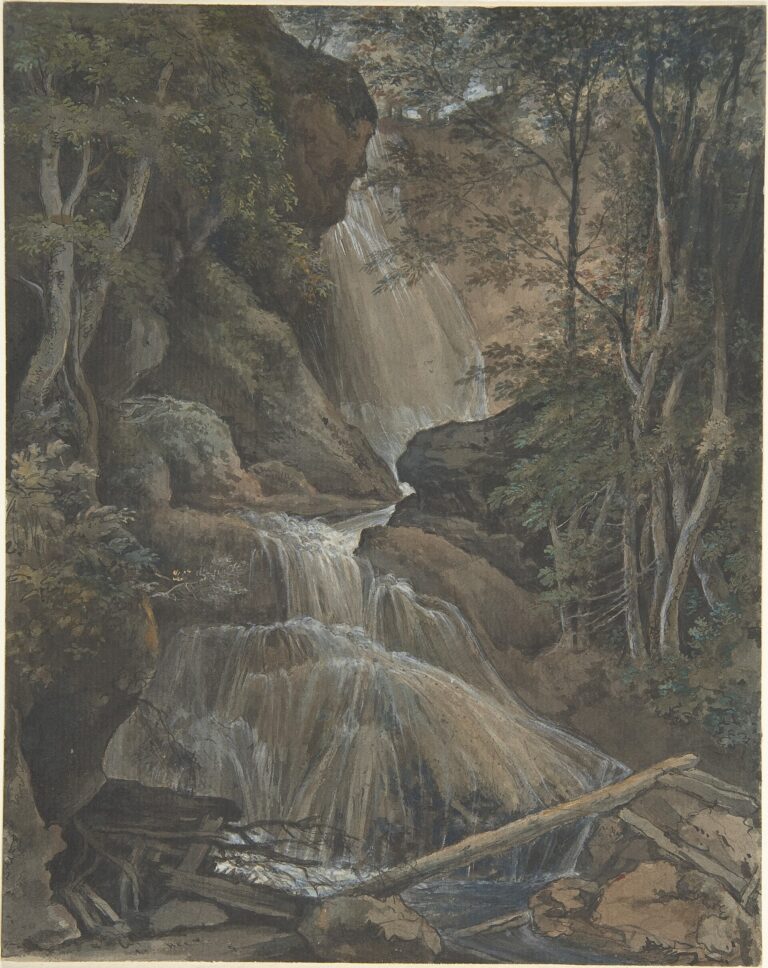
Your first serious hike should give you something to enjoy besides the achievement of finishing. A waterfall, ridge view, canyon, forest or unusual landscape can make a difficult day feel worthwhile.
Final thoughts
The best first big hike is not the hardest hike you can survive. It is the route that teaches you how your body, gear and decision-making work outdoors while leaving you excited to do another one.
Start with more than mileage
Distance is an incomplete way to judge a first big hike. Compare total mileage, elevation gain, terrain, exposure, weather, surface conditions and the amount of time you can realistically spend outside.
Choose a route that matches your current capacity
The right first big hike should challenge you without depending on perfect conditions. If you are unsure, step down one level and leave room to learn how your body handles the distance and elevation.
Think about the return trip
The hardest part of a long outing may come late in the day, when heat, fatigue or a slower pace changes the schedule. Carry enough water and food for the full outing and keep a time buffer for the return.
Use a progression strategy
Instead of jumping from short walks to a major route, build fitness with gradually longer outings and different terrain. The goal is not to prove that you can finish a particular trail; it is to make longer hikes repeatable and enjoyable.
Reference: Check current U.S. Forest Service and park-specific safety guidance before undertaking a longer route.
More from Wild Trail Atlas