Redwood Country is one of those places where the landscape changes the moment you arrive. Roads wind through dense forests, enormous trees rise above the canopy, and even short walks can feel like an expedition into another world.
For first-time visitors, the hardest part isn’t deciding whether Redwood Country is worth visiting. It’s deciding how much of it to explore.
NEXT ON THE TRAILCalifornia Highway 1 to Big Sur: A Scenic Road Trip Guide
Start with the forests
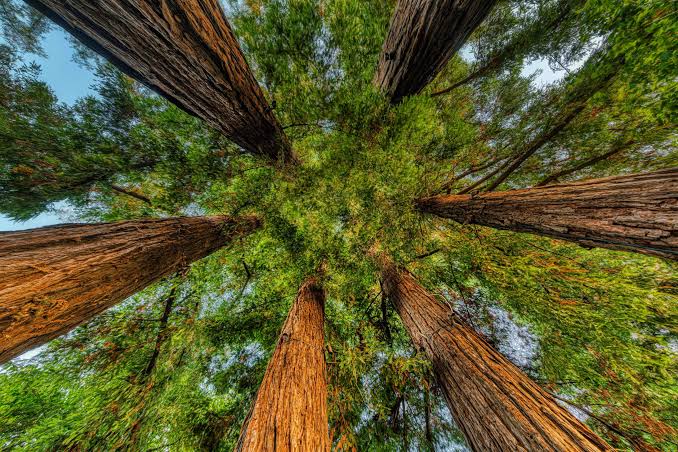
The giant redwoods are the obvious attraction, but the experience is about more than simply standing beside the largest trees.
Give yourself time to walk beneath the canopy. The light changes dramatically throughout the day, streams cut through the forest floor, and the scale of the trees is difficult to appreciate from a car.
Short forest walks are a good introduction for travelers with limited time. Longer trails are worth considering when you want to slow down and spend more time away from the main roads.
Make the drive part of the trip
One of the best ways to experience Redwood Country is to treat the journey between destinations as part of the adventure.
Instead of rushing from one attraction to another, leave room for scenic stops, viewpoints and unplanned walks. Some of the most memorable moments can happen between the places listed on a map.
Plan your route before you leave, but don’t make the schedule so tight that you can’t stop when something catches your attention.
Allow more time than you think
A common mistake on a first visit is trying to cover too much territory in a single day.
The forests are spread across a large region, and winding roads can make seemingly short distances take longer than expected.
For a relaxed introduction, consider spending several days in the area rather than treating it as a quick stop on a larger California itinerary.
What to pack
Comfortable walking shoes are essential, even if you don’t plan on doing a major hike.
Bring layers because conditions can feel very different between exposed roads and shaded forest areas. Water, snacks and a small daypack are also useful for longer walks.
A camera is nice to have, but don’t spend the entire visit looking through it. Some of the best parts of Redwood Country are the moments when you simply stop and look up.
Build a slower itinerary
The best Redwood Country trips aren’t necessarily the ones with the most stops.
Choose a handful of forests, trails and viewpoints that genuinely interest you, then leave enough time to experience them properly.
That approach gives you something a checklist-style itinerary can’t: time to notice the landscape.
Final thoughts
Redwood Country rewards travelers who slow down.
Come for the giant trees, but give yourself enough time to discover the quiet roads, shaded trails and small moments between the major attractions.
For a first visit, focus less on seeing everything and more on leaving with a sense of what makes this landscape different from anywhere else.
Think beyond one famous grove
Redwood National and State Parks cover a broad area of forest, rivers, prairie and coastline. A first visit is easier when you think in terms of several areas rather than one single attraction.
Use visitor centers for trip planning
The National Park Service notes that the park has multiple visitor centers where travelers can get current park information, maps and trip-planning advice. That is useful when deciding which forest walks and scenic drives fit the time available.
Expect conditions to affect access
Rain, road conditions, trail restrictions and seasonal access can change the most practical route. Check current park notices before heading to a specific trail or remote area.
Leave space for the forest itself
Redwood travel does not need a long list of attractions. A short forest walk, a scenic drive and time at a river or coastal overlook can create a fuller day than moving constantly between named stops.
Reference: Check the Redwood National and State Parks planning information before travel.
More from Wild Trail Atlas