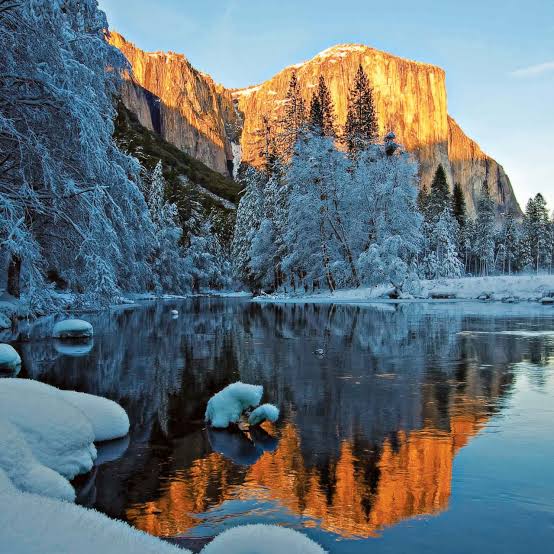
Yosemite National Park can feel effortless in a photograph: granite cliffs, waterfalls, giant sequoias, and wide-open mountain scenery. The real trip takes a little more planning. Distances are larger than they look on a map, roads and trails change with the seasons, parking can be limited, and some of the park’s most famous hikes have specific requirements.
Before you go, understand these nine things so you can build a realistic itinerary, prepare for changing conditions, and spend more of your visit enjoying Yosemite instead of troubleshooting avoidable surprises.
1. Yosemite Is Much Bigger Than Yosemite Valley
Yosemite Valley is the park’s best-known area, but Yosemite covers a vast landscape of high-country terrain, forests, meadows, waterfalls, and quieter destinations. Driving between areas can take longer than expected, and seasonal road openings affect which routes are available.
Plan smarter: Group stops by area instead of zigzagging across the park. Choose a few priorities each day and allow time for parking, short walks, traffic, and unexpected viewpoints.
2. Check the Entrance Reservation Rules for Your Exact Travel Dates
Entry policies can change from year to year. For 2026, the National Park Service says an entrance reservation is not required, but an entrance fee still applies. Do not assume the same policy will apply in another year or for a special event.
Before departure, check the official Yosemite Permits & Reservations page and the park’s current visitor information. Lodging, camping, backpacking, and certain activities may have separate reservation or permit requirements.
3. Book Lodging and Camping Early
Staying inside or near Yosemite can reduce daily driving, but popular campgrounds and lodging often book well in advance. If you plan to camp, confirm the campground’s opening dates, reservation rules, check-in requirements, and distance from the places you want to visit.
Plan smarter: If you cannot find a place inside the park, compare nearby communities carefully. A lower-priced room far from your planned activities can add a substantial amount of driving each day. Never assume you can sleep overnight in a parking lot or roadside pullout; overnight vehicle stays are restricted to designated campsites.
4. Arrive Early to Reduce Traffic and Parking Stress
Yosemite Valley is especially busy during popular travel periods. Arriving early can give you more options for parking and help you start a hike before the day gets too hot or crowded. Weekdays may also be less congested than weekends and holidays, though conditions vary.
Check the official Plan Your Visit page for traffic guidance. The park also provides a traffic text update option during extremely busy periods; confirm the current instructions on the official site.
5. Road Access Changes With the Season
Snow, ice, construction, and seasonal closures can affect routes such as Tioga Road and Glacier Point Road. A road that is normally part of a scenic itinerary may be closed during your dates, and winter driving can require extra preparation.
Check current road and trail conditions close to departure and again before driving. Use official directions rather than relying on a GPS route that may not account for seasonal closures.
6. Match Hikes to Your Fitness, Equipment, and Conditions
Yosemite has everything from short, paved walks to steep, strenuous trails with significant elevation gain. Photos do not show the full effort involved. Check the distance, elevation, expected time, surface, exposure, and current trail status before committing to a route.
Bring suitable footwear, layers, food, enough water, a light source, and navigation. Tell someone your plan and expected return time if you are heading out on a longer hike. Open trails can still have hazards, including snow, ice, slippery rock, and falling debris.
7. Half Dome and Overnight Wilderness Trips Have Permit Rules
You do not need a special permit for every ordinary day hike, but certain activities do require one. A permit is required to hike to the top of Half Dome when the cables are up, and overnight wilderness trips require wilderness permits. Permit systems and seasonal details should be checked before you build an itinerary around these activities.
Start with the official permits and reservations information. If you do not obtain a permit for a particular hike, choose a suitable alternative rather than attempting to bypass the rules.
8. Waterfalls and Rivers Are Beautiful—and Can Be Dangerous
Fast-moving water, slippery rocks, cold water, and hidden currents can be dangerous even when the shoreline looks calm. Never climb over barriers to get a photograph, stand on wet rock near a waterfall, or enter water without understanding the conditions.
Waterfall flow also varies by season. Spring runoff can be powerful, while some falls may be much lower or dry later in the year. Check current conditions and stay behind barriers and away from hazardous edges.
9. Cell Service Is Limited, So Prepare to Navigate Offline
Mobile coverage is unreliable in parts of Yosemite. Do not depend on being able to load a map, retrieve a booking confirmation, or make a call everywhere in the park.
Before leaving home: Download the official park app and offline content, save reservation details, carry a map suitable for your plans, and make sure your group knows the day’s route. Keep food stored properly, never feed wildlife, and maintain a respectful distance from animals.
A Quick Yosemite Pre-Trip Checklist
- Check the current entrance policy, fees, and any special notices for your dates.
- Confirm lodging or campground reservations and opening dates.
- Review road closures, construction, weather, and trail conditions.
- Plan realistic daily routes and allow time for traffic and parking.
- Check permit rules for Half Dome and overnight wilderness trips.
- Pack layers, appropriate footwear, food, water, and a first-aid kit.
- Download maps and official park information for offline use.
- Follow wildlife, river, waterfall, and food-storage safety guidance.
Official Yosemite Resources
- Plan Your Visit — Yosemite National Park
- Current Road, Trail, and Park Conditions
- Permits & Reservations
About Me
Hi, I’m Graham, the creator of Wild Trail Atlas.
I share practical travel guides, hiking advice, and outdoor inspiration to help you plan your next adventure with more confidence. My goal is to make exploring the outdoors easier with useful information and thoughtful preparation tips.
Final Thoughts
Yosemite is worth taking your time over. The best visit is not necessarily the one with the longest checklist of stops; it is the one built around realistic driving times, current conditions, suitable hikes, and enough flexibility to enjoy the scenery. Check official updates before you go, make reservations where needed, and leave room for the unexpected moments that make a national park trip memorable.
More from Wild Trail Atlas