Experienced campers don’t necessarily own the most expensive equipment or build the most elaborate campsite. They make small decisions that keep the trip comfortable, organized, and safer when conditions change. From choosing a campsite to packing up in the rain, these habits make outdoor weekends run more smoothly.
Whether you’re new to camping or have a few trips behind you, these 12 practical habits can help you spend less time troubleshooting and more time enjoying the outdoors.
1. They Check the Weather—and Prepare for More Than the Forecast
Experienced campers check the forecast shortly before leaving and again when useful updates are available. They pay attention to overnight lows, wind, rain, and any severe-weather alerts, not just the daytime high. Forecasts can change, so they pack a warm layer and rain protection even when the outlook seems promising.
Try this: Plan for the coldest part of the night and keep rain gear easy to reach instead of buried at the bottom of a bag.
2. They Choose the Campsite Before Unloading Everything
Rather than pitching a tent in the first open patch, experienced campers look for reasonably level ground, drainage, overhead hazards, and enough space to move around. They avoid low spots where water may collect and follow campground rules about where tents, vehicles, and fires may go.
Try this: Take a short look around before unpacking. A few minutes of choosing carefully can prevent a damp sleeping area or an awkward setup.
3. They Practice Setting Up Their Shelter at Home
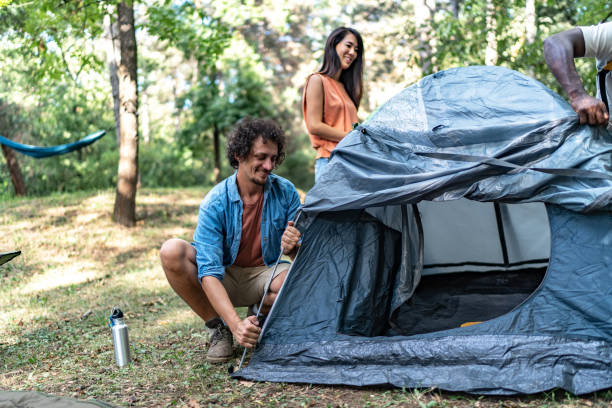
A first attempt at pitching a tent is much easier in daylight and calm weather than in wind or rain. Experienced campers check that all poles, stakes, guylines, and rainfly components are present and learn how their shelter fits together before the trip.
Try this: Set up the tent once at home, then pack the parts together so nothing essential gets left behind.
4. They Keep Sleeping Gear Dry
A dry sleeping bag and sleep clothes can make a major difference to comfort. Experienced campers use dry bags or waterproof liners where appropriate, keep gear off wet ground, and avoid leaving bedding exposed while the tent is being assembled.
Try this: Pack sleep clothes in a separate waterproof bag and open bedding only after the shelter is ready.
5. They Organize Gear by When It Will Be Used
Instead of packing everything wherever it fits, experienced campers group items by task: sleeping, cooking, lighting, hygiene, and weather protection. Frequently needed items stay accessible, while equipment used only at camp can remain packed until arrival.
Try this: Use a simple packing checklist and keep essentials such as a headlamp, rain jacket, water, and first-aid kit easy to find.
6. They Plan Simple Meals Before They Leave
Meals that require fewer ingredients and less cleanup reduce campsite stress. Experienced campers decide what they’ll eat, check what needs refrigeration, and prepare safe food-storage arrangements based on local wildlife rules. They also bring enough drinking water or know where approved water sources are located.
Try this: Choose one-pot meals, pre-measure ingredients, and keep raw foods separate from ready-to-eat foods. Follow food-safety guidance and campground storage requirements.
7. They Keep Lighting Within Reach
Darkness arrives quickly under trees or in unfamiliar campsites. Experienced campers know where their headlamp or flashlight is and check batteries or charge levels before leaving. A hands-free light is especially useful for cooking, finding a zipper, or walking to facilities after dark.
Try this: Put a light in the same easy-to-reach pocket every time you pack, and carry a backup light source when appropriate.
8. They Respect Fire Rules Instead of Assuming a Campfire Is Allowed
Fire restrictions can change with weather and local conditions. Experienced campers check current rules, use only permitted fire areas, keep water or another approved extinguishing method nearby, and never leave a fire unattended. If conditions or restrictions make a fire unsafe or prohibited, they skip it.
Try this: Check the campground or land manager’s current fire guidance before departure and make sure any fire is completely extinguished before leaving or going to sleep.
9. They Build Extra Time Into the Plan
Traffic, a slow setup, changing weather, and unfamiliar roads can all take longer than expected. Experienced campers avoid planning every minute of the day and leave enough daylight to establish camp without rushing.
Try this: Aim to arrive with time to set up before dark, and have a backup plan if you reach the campground later than expected.
10. They Check Local Rules and Conditions Before Setting Out
Access, reservations, road conditions, trail closures, water availability, and quiet hours vary by location and season. Experienced campers verify details with the official campground or land manager rather than relying on an old post or an outdated map screenshot.
Try this: Save the official campground information and download maps for offline use if mobile coverage may be unreliable.
11. They Leave the Campsite Cleaner Than They Found It
Experienced campers pack out their rubbish, manage food and scented items according to local wildlife guidance, and avoid leaving scraps behind. They stay on established surfaces where required, respect other campers’ space, and follow the principles of Leave No Trace.
Try this: Do a slow final sweep of the tent area, cooking spot, and vehicle before leaving. Check the local rules for waste, human waste, and food storage.
12. They Prepare for the Trip Home, Not Just Arrival
It’s tempting to focus only on getting to camp, but the return trip is easier when gear is packed methodically. Experienced campers keep rubbish separate, protect clean items from muddy equipment, and make a note of anything that needs drying, repair, or replacement at home.
Try this: Before driving away, check the campsite for forgotten items, secure all loads, and plan to dry tents and damp gear promptly after returning.
A Simple Pre-Trip Check
- Check the weather and any official alerts or restrictions.
- Confirm reservations, arrival instructions, and campground rules.
- Test your shelter and check that all components are packed.
- Pack suitable clothing, a first-aid kit, lighting, and enough water.
- Plan meals and safe food storage.
- Download maps or save key directions for offline access.
- Tell someone your plans when heading somewhere remote.
About Me
Hi, I’m Graham, the creator of Wild Trail Atlas.
I share practical travel guides, hiking advice, and outdoor inspiration to help you plan your next adventure with more confidence. My goal is to make exploring the outdoors easier with useful information and thoughtful preparation tips.
Final Thoughts
Experienced campers make trips easier by preparing early, keeping essentials organized, respecting local conditions, and leaving room for plans to change. You don’t need a complicated setup to use these habits. Start with one or two on your next outing, notice what works for you, and adjust your routine over time.
More from Wild Trail Atlas