A beginner-focused guide to choosing easier Smoky Mountains walks around streams, forests, historic areas and overlooks.
Start in the valleys
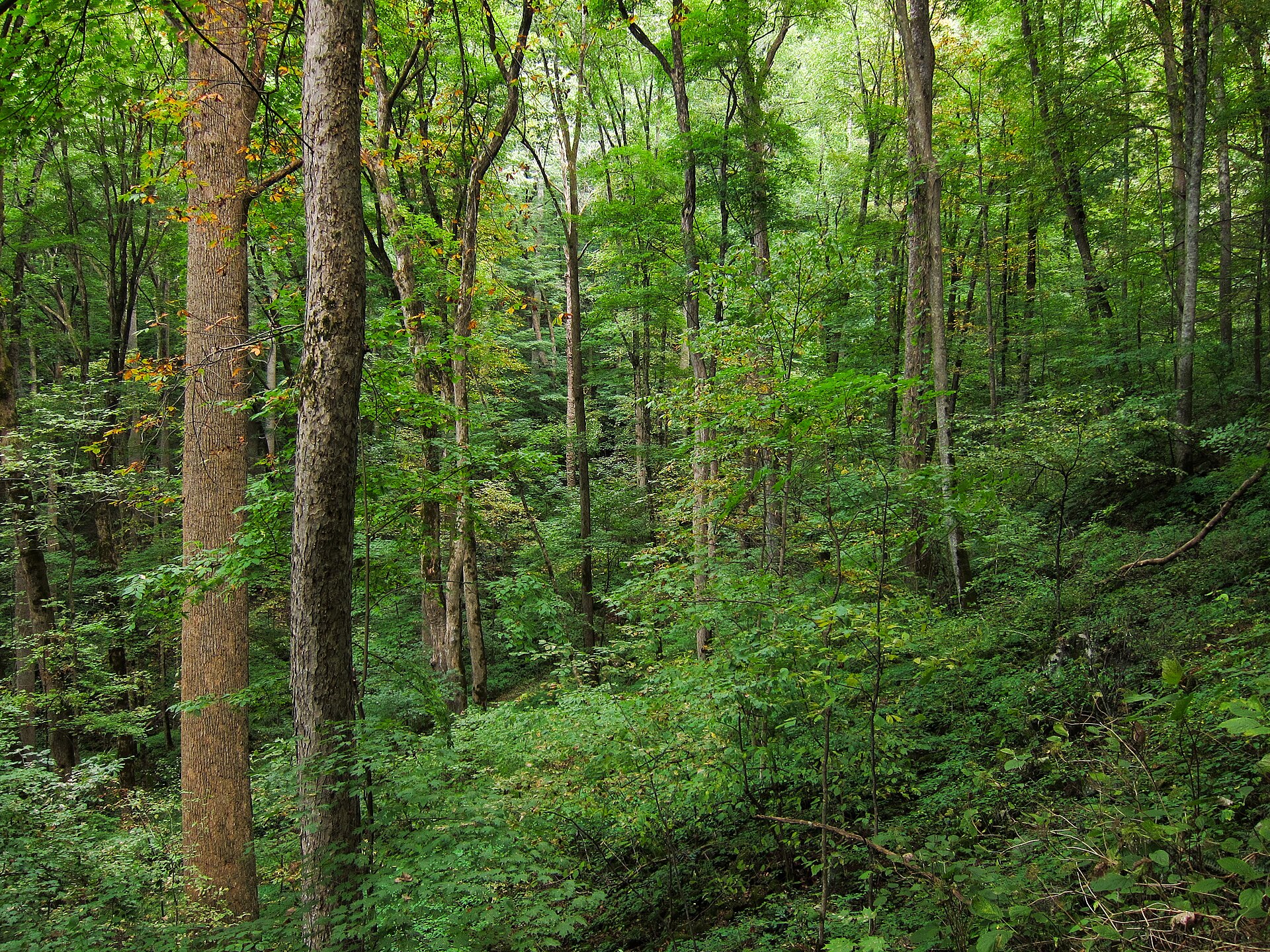
Lower-elevation walks can provide a gentle introduction to the park through forests and along streams.
NEXT ON THE TRAILMaine Coast in 7 Days: Lighthouses, Quiet Beaches and Acadia
Use waterfalls or historic sites as goals
A clear destination gives a short walk purpose without requiring an aggressive pace.
Expect roots and wet ground
Forest trails can be damp and uneven. Good traction and a slower pace make the experience more comfortable.
Watch the forecast
Mountain weather can change quickly. A flexible plan is safer and more enjoyable.
Leave wildlife alone
View animals from a respectful distance and follow current park rules.
Choose by mileage, elevation and conditions
Great Smoky Mountains National Park has a large trail network with hikes that vary by mileage, elevation gain, terrain and weather. An easy outing is not simply one with a short distance; the combination of trail surface, elevation and current conditions matters.
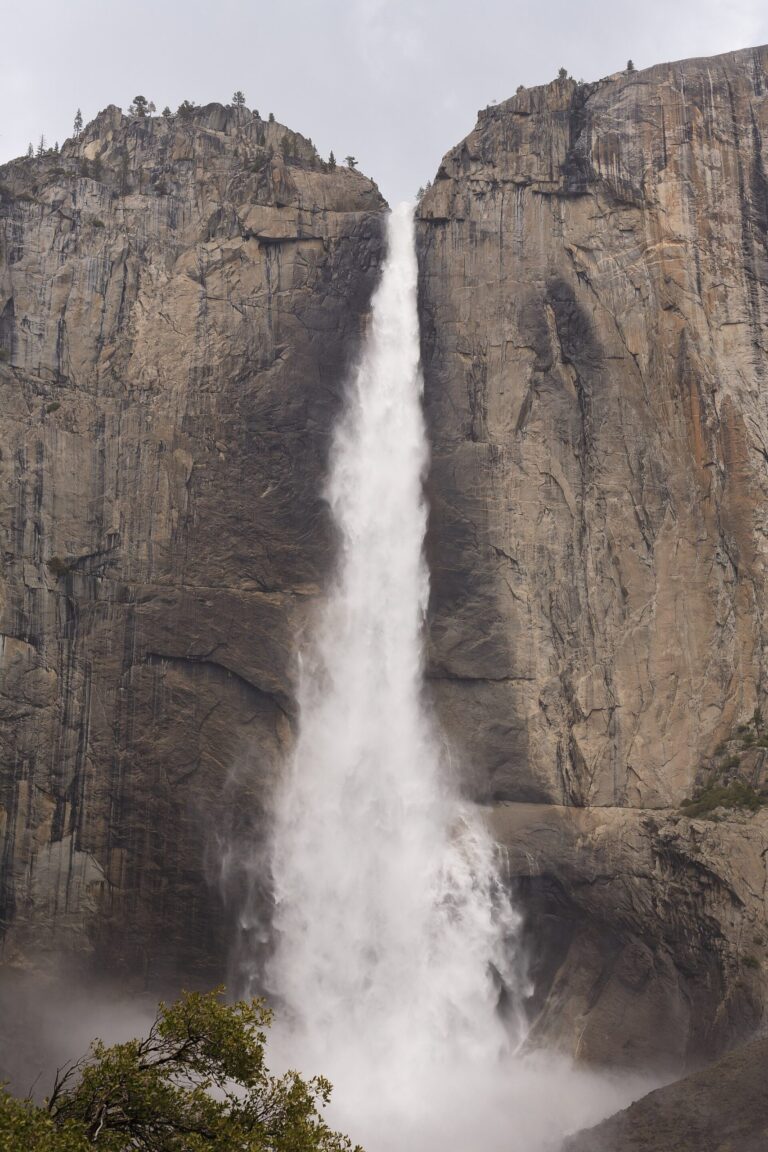
Give waterfall hikes extra time
Waterfall routes can take longer than their mileage suggests because of stream crossings, climbs, wet footing or time spent at the destination. Leave more time than the bare walking estimate when planning a relaxed day.
Plan around the area
Choose hikes that make sense for the part of the park you are already visiting. This reduces driving and allows more of the day to be spent outdoors.
Check current trail conditions
The park advises visitors to review difficulty, hazards, warnings and closures before hiking. Build a backup trail into the plan so one closure does not ruin the day.
Reference: Consult the Great Smoky Mountains day-hike information before leaving.
What “Easy” Should Mean Here
Easy is not the same as effortless. A trail can be short but still feel demanding because of roots, rocks, mud, elevation changes, heat or uneven surfaces. When choosing an easy Smokies hike, consider distance, elevation, surface and weather together instead of using mileage alone.
Compare Trails by More Than Distance
| Factor | Why it matters |
|---|---|
| Distance | Shows the overall walking commitment but not the terrain. |
| Elevation | Helps indicate how much climbing the group will do. |
| Surface | Roots, rocks and mud can make a short route harder. |
| Weather | Rain, heat and cold can change the effort required. |
| Trailhead logistics | Parking and access can affect how smoothly the day starts. |
Weather and Trail Conditions Matter
The Smokies can change quickly, and wet conditions can make trails slick even when the route itself is considered easy. Check current conditions before departure and be willing to shorten the outing when the trail or weather no longer matches your group’s comfort level.
A Better Easy-Hike Strategy
For a relaxed day, choose one primary trail and keep a nearby alternative in reserve. This avoids turning an easy outing into a stressful search for parking or a rushed sequence of trails. Leave enough time to enjoy the forest rather than treating the hike as a timed task.
Written & researched by Graham Grey
Graham Grey is the founder of Wild Trail Atlas and conducts the research behind its travel guides. Guides distinguish firsthand experience from independently researched information and are checked against relevant primary or official sources where available.
About Graham Grey · How Wild Trail Atlas researches its guides · Suggest a correction
Before You Go
- Check the current official access and conditions information before departure.
- Confirm seasonal closures, permits, reservations and transportation requirements that may apply.
- Build extra time into the day for parking, weather, road conditions and unexpected delays.
- Use the guide as a planning framework and verify time-sensitive details with the responsible land manager or official destination source.
- Water levels, trail conditions and seasonal access can change; verify conditions before setting out.
Final thoughts
One scenic route plus extra time for overlooks can make a much better hiking day than a packed list of trails.
More from Wild Trail Atlas