How to plan a first Yellowstone trip around long driving distances, geothermal areas, wildlife viewing and changing mountain conditions.
Think in regions
Yellowstone rewards regional planning. Choose an area for each day and avoid unnecessary backtracking. A map full of pins can look efficient while producing hours of extra driving.
NEXT ON THE TRAILGrand Canyon South Rim: What First-Time Visitors Should Know
Make geothermal areas a priority
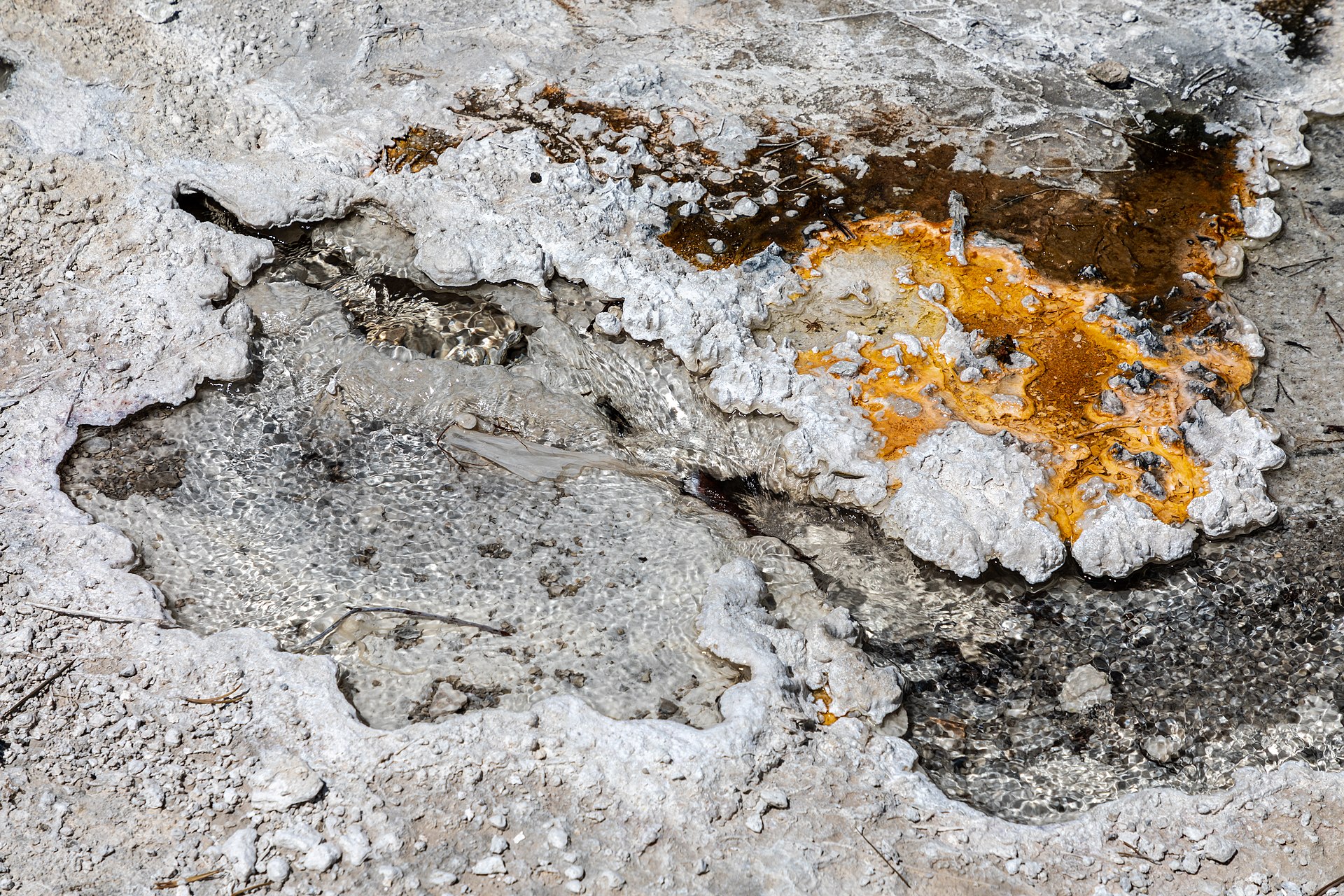
Thermal basins are one of Yellowstone’s defining experiences. Use designated boardwalks and follow current safety guidance around hot springs, geysers and other unstable ground.
Build in wildlife time
Wildlife sightings can change your schedule. Allow room for slow traffic and safe pullouts, but never approach animals or stop where stopping is prohibited.
Expect changing weather
Mountain weather can shift rapidly, and seasonal road access matters. Check the official park road-status and weather information before each major drive.
Start early
Early starts can create calmer mornings and more time to adapt if you encounter traffic or wildlife. They also reduce pressure to rush later.
Final thoughts
A first Yellowstone trip should feel exploratory. Plan by region, protect the wildlife, and leave enough space for unexpected moments.
Plan around Yellowstone’s distances
Yellowstone is large enough that driving time should be treated as part of the itinerary. Group attractions by geographic area instead of trying to cross the park repeatedly in a single day.
Use early hours strategically
The National Park Service advises visitors to plan ahead and notes that busy periods can bring traffic and delays. Early starts can help reduce some of that pressure and give you more room for outdoor stops.
Keep the road plan flexible
Road status, weather, wildlife activity and seasonal access can all affect how long a route takes. Check the current park information before each day’s drive and keep a nearby alternative in mind.
Allow time for slower stops
Yellowstone is not a drive-through attraction. Boardwalks, viewpoints and wildlife areas can take longer than a simple map suggests. Leaving room to stop without watching the clock makes a first visit more manageable.
Reference: Check the latest Yellowstone planning information and current road status.
More from Wild Trail Atlas