A relaxed two-day Yosemite plan works best when you group stops by area, choose hikes that fit your ability, and leave room for weather, traffic and seasonal closures. This is a planning framework, not a promise that every road or trail will be open on your travel dates.
At a glance
- Best base for a first visit: Yosemite Valley, if lodging and access work for your trip.
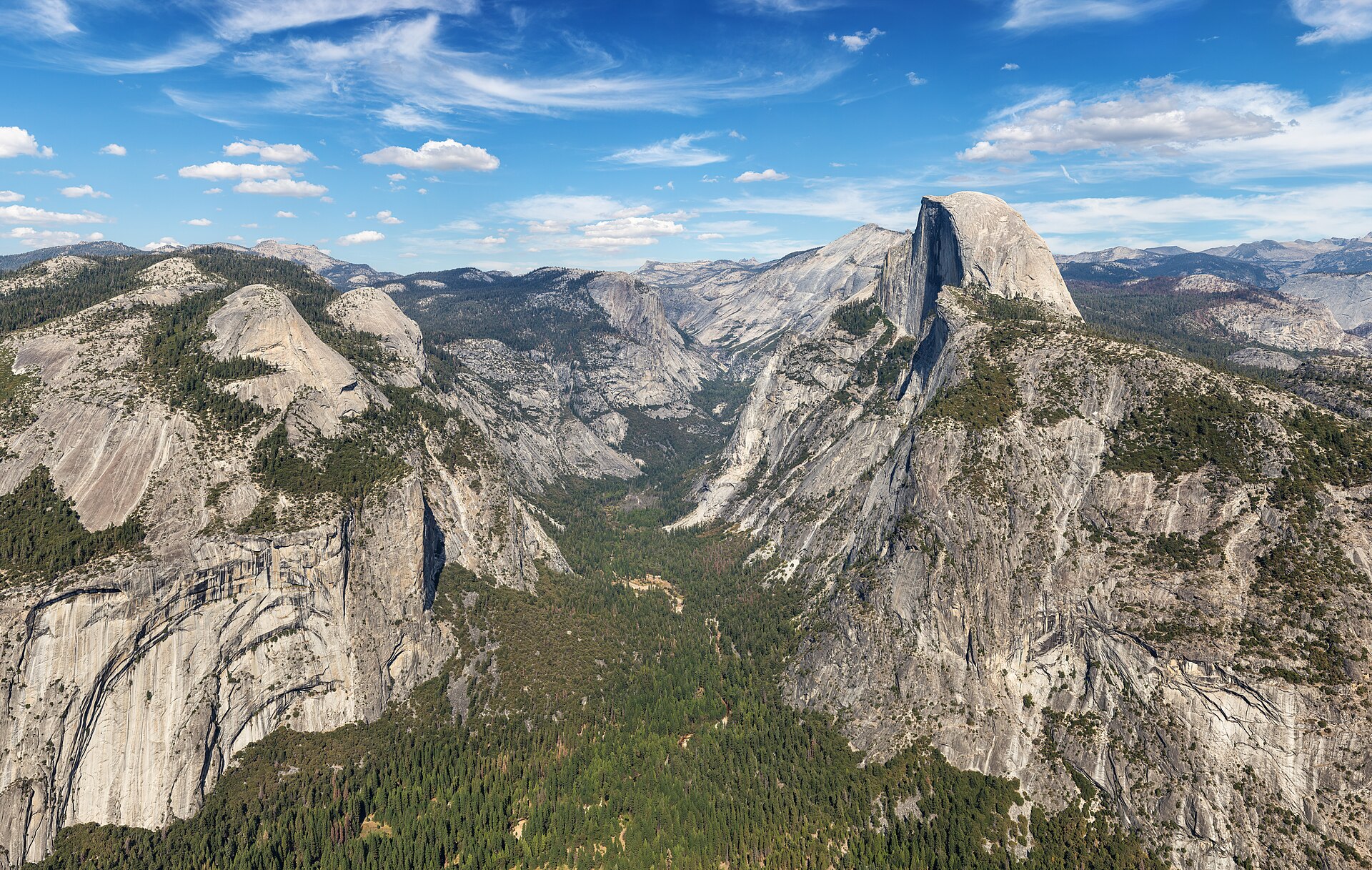
- Day 1: Valley orientation, a short waterfall walk and meadow or viewpoint time.
- Day 2: Choose one longer walk or a slower set of scenic stops; avoid crossing the park repeatedly.
- Before leaving: Check the official current conditions page for road, trail and access changes.
Day 1: Explore Yosemite Valley at an easy pace
Start early enough to reduce parking stress, then choose one or two nearby walks rather than trying to see every landmark. Allow time to stop at viewpoints and enjoy the valley instead of treating each stop as a quick photo opportunity.
Choose a walk that fits your group
- Lower Yosemite Fall Trail: about 1 mile (1.6 km) loop, roughly 30 minutes, easy, with around 50 feet (15 m) of elevation gain. The trail may be icy in winter and the waterfall can be weak or dry later in summer. Official trail details.
- Cook’s Meadow Loop: about 1 mile (1.6 km), mostly flat, with open views across the valley. Check the route and any temporary access restrictions before setting out. Official Valley day-hike list.
- Vernal Fall Footbridge: about 1.6 miles (2.6 km) round trip, 400 feet (120 m) of elevation gain and usually 1–1.5 hours; moderate. It is a steeper option, not a casual stroll. Trail work or detours may affect access, so verify conditions first. Official trail and work updates.
Distances and times are official planning estimates, not guarantees. Add time for breaks, crowds, wet surfaces and your group’s pace. Do not scramble onto wet rocks near waterfalls.
Keep the afternoon flexible
After one main walk, use the remaining time for a picnic, a short meadow stroll, a visitor-area stop or a return to a viewpoint you enjoyed. If parking or traffic has taken longer than expected, skip an extra stop instead of rushing.
Day 2: Pick one main objective
Choose the day’s main activity based on fitness, season and access. For a moderate outing, consider a short Valley walk you did not visit on Day 1. For a more demanding day, research the full route, elevation gain, turnaround time and current restrictions before committing.
- Easy-going plan: one short walk, scenic stops and time to explore at a comfortable pace.
- More active plan: choose one substantial hike and keep other activities optional.
- Bad-weather or closure plan: switch to an open, lower-risk area or shorten the day; do not continue onto a closed or unsafe trail.
Do not assume high-country roads or viewpoints are open. Access changes by season, and snow or ice can affect routes even when an area appears close on a map.
Getting around and timing
Yosemite is large, and travel time can be affected by congestion, road work and parking. Group nearby stops together, start with your highest-priority activity, and check the park’s current transportation and access information before travel. Avoid relying on a fixed itinerary when road or trail conditions can change.
What to bring
- Water and food appropriate for the length and difficulty of the outing.
- Comfortable footwear with traction suited to the conditions.
- Layers, rain protection and sun protection.
- Offline map or navigation backup, charged phone and a small first-aid kit.
- Any personal medication and extra supplies appropriate to the group.
Before you go: official checks
- Yosemite current conditions: road status, alerts and trail restrictions.
- Yosemite Valley day hikes: route distances and difficulty.
- Lower Yosemite Fall Trail: route details and seasonal cautions.
- Vernal and Nevada Fall trails: current work, detours and route information.
Recheck official information shortly before departure. Closures, road access, water levels, weather and permit requirements can change. This guide is based on published planning information; it does not claim firsthand visits to each trail.
Written and researched by Graham Grey
Graham Grey is the founder of Wild Trail Atlas and conducts research for its travel guides. This itinerary summarizes published National Park Service information and does not claim firsthand visits to every trail listed. Verify time-sensitive details with the park before travel.
Final thoughts
Two days can give first-time visitors a memorable introduction to Yosemite when the plan is realistic. Choose a small number of meaningful stops, match the hike to your group, and leave enough flexibility to respond safely to the conditions on the day.
More from Wild Trail Atlas