Colorado in winter is not one single kind of trip. You can walk a snow-covered lakeshore beneath the Continental Divide, spend an afternoon among historic mining-town storefronts, ride a gondola between mountain communities, or find yourself on a high desert dune with snow-bright peaks on the horizon. The best destination depends on what you want from the season—and how comfortable you are driving in mountain weather.
This guide brings together eight places that show different sides of Colorado in the colder months. Each stop has a practical reason to visit, along with the details worth checking before you set out. Winter conditions change quickly, so treat road, trail, transit and operating information as something to confirm close to your travel date.
1. Rocky Mountain National Park: Snowy Lakes, Quiet Forests and Big Mountain Views
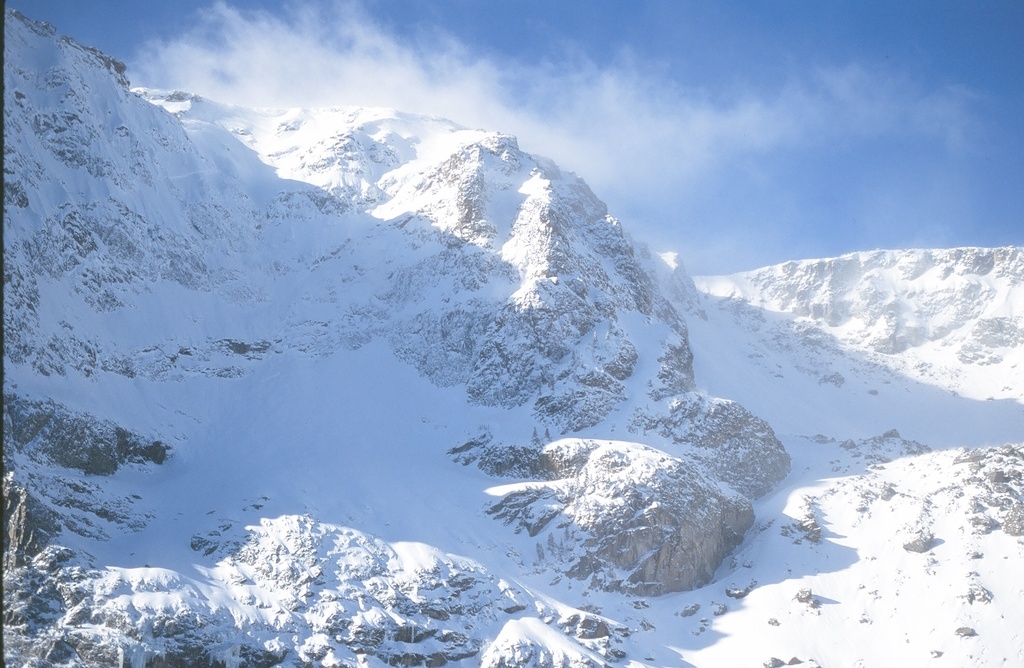
Rocky Mountain National Park is a strong choice if your idea of winter is a quiet trail, frozen water and a wide view of the high peaks. The Bear Lake area is one of the most accessible places to begin. When conditions allow, the short lakeside walk gives you a close look at snow-covered forest and the dramatic mountain wall beyond the water. Sprague Lake is another good option for a gentler outing and broad views across the valley.
Do not plan your winter visit around driving Trail Ridge Road from one side of the park to the other. The high-elevation road normally closes to through traffic for the season, while Bear Lake Road is generally the more dependable east-side access route, subject to temporary storm closures. Check the park road status on the morning of your visit. Timed-entry rules are seasonal; the NPS currently lists its 2026 reservation period as a spring-to-fall requirement, not a normal winter requirement.
What to do: Walk the Bear Lake or Sprague Lake area if trails are open and safe; look for winter wildlife from established pullouts; or choose a snowshoe route suited to your experience. Carry traction devices, warm layers, water and a map. Snow can hide trail edges and ice can form even when a path looks packed.
Where to start: Estes Park is the most practical base for the east entrance and Bear Lake corridor. Arrive early for parking, and check current NPS alerts before leaving town. Open Bear Lake in Google Maps.
2. Breckenridge: A Historic Main Street with a Proper Winter Feel
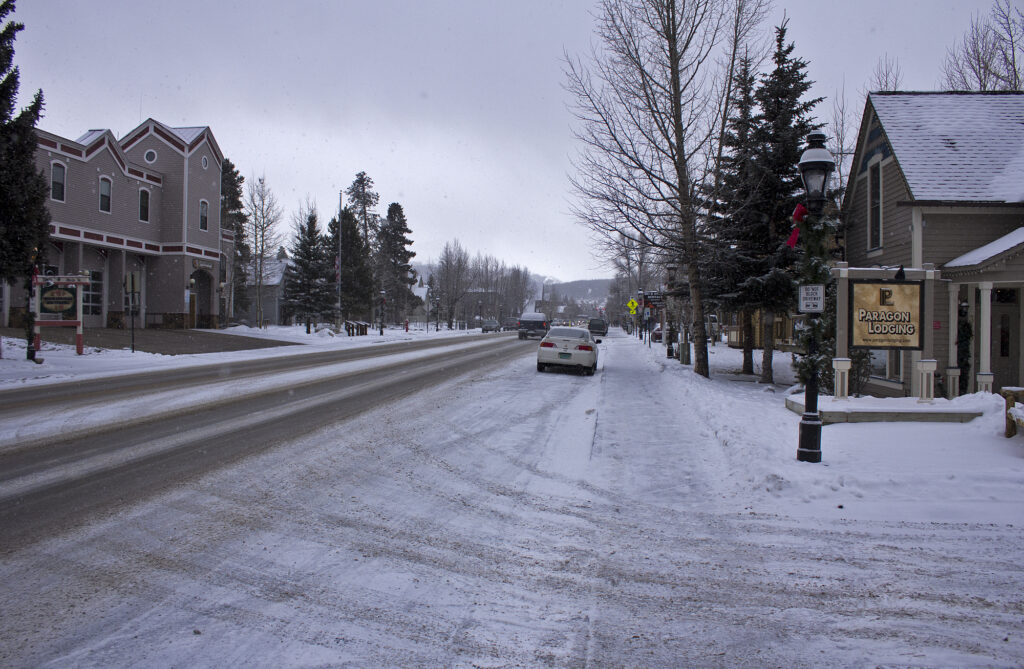
Breckenridge works well for visitors who want mountain scenery without spending every hour on a ski run. Its historic Main Street is lined with preserved buildings, independent shops, restaurants and places to warm up after being outside. On a snowy day, the town itself becomes part of the experience: walk a few blocks, browse the storefronts, then take the free local bus or resort connection toward the mountain.
If skiing is the main reason for your visit, the BreckConnect Gondola links town with Peaks 7 and 8 when operating. Non-skiers can still enjoy the town, winter walking routes and nearby viewpoints, but check which lifts and facilities are open rather than assuming every mountain activity runs every day.
Getting around: Parking close to Main Street can fill quickly on weekends and holidays. Breckenridge lists free parking options outside the centre with bus connections to the gondola and ski area; check the current lot and route details before driving in. Open Main Street in Google Maps.
3. Vail: Alpine Village Streets and Easy Local Transport
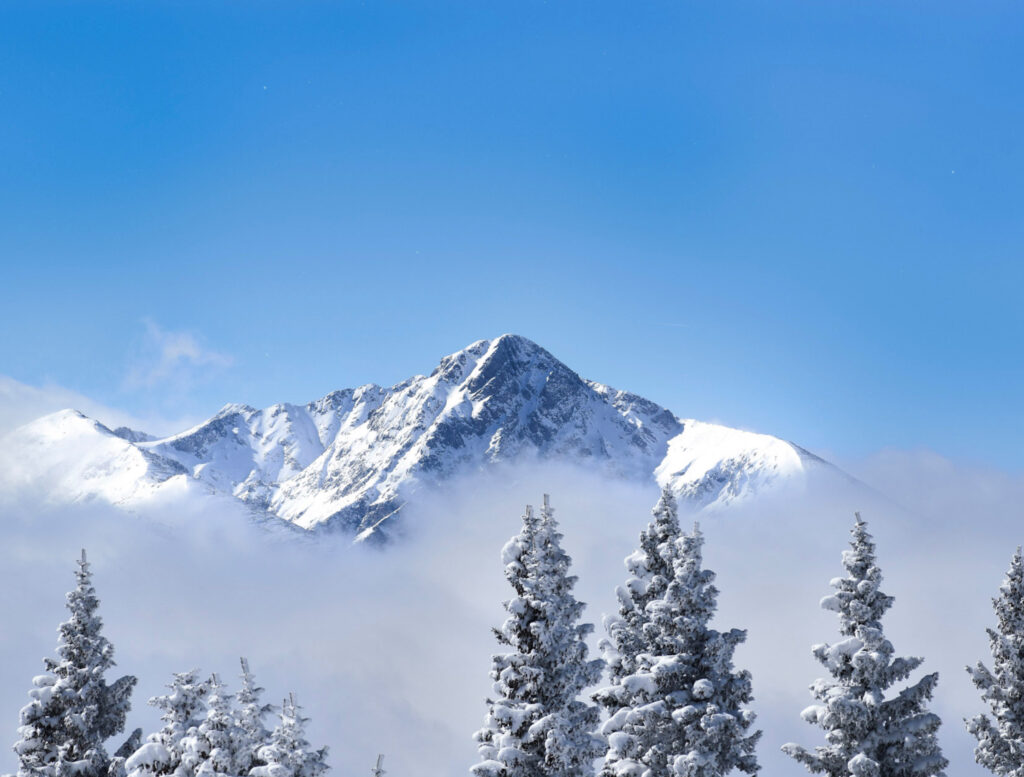
Vail is known for its ski terrain, but the village areas are worth exploring even if you are not planning a full day on the slopes. Vail Village and Lionshead have pedestrian-friendly lanes, restaurants, shops and mountain views. Snow on the roofs and paths gives the resort a classic alpine atmosphere, and the two village areas are connected by walkways and local transit.
One practical advantage is the Town of Vail’s free bus service, which connects the villages, parking areas and mountain access points. That makes it easier to leave the car parked rather than moving it between stops. If you are skiing, check lift status and ticket requirements; if you are visiting for the scenery, plan a relaxed walk through both village centres and allow time for a meal or a warm drink.
Parking tip: Rates and free-parking windows change by season and facility. Check the current Vail parking page before you arrive instead of relying on an old rate. Open Vail Village in Google Maps.
4. Telluride: A Mountain Town Connected by a Free Gondola
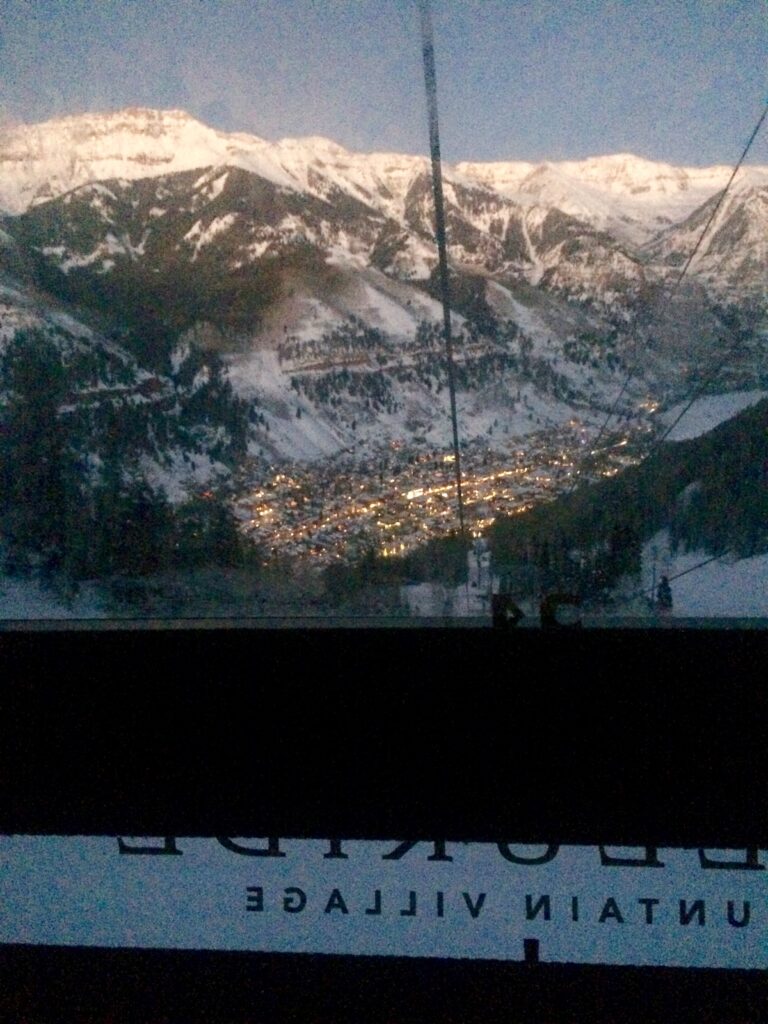
Telluride has a dramatic setting: the town sits in a narrow valley beneath steep San Juan Mountain walls. In winter, the contrast between the historic streets, dark evergreen slopes and snow-covered peaks is the main attraction even before you add skiing. Walk Colorado Avenue, look toward the box canyon, and leave time for the ride that makes Telluride different from many other mountain destinations.
The free gondola connects Telluride with Mountain Village in about 12 minutes and is both transport and a scenic experience. Its winter operating dates are seasonal, and maintenance closures can affect service. Check the official schedule for your dates. The Galloping Goose town loop and regional transit are useful alternatives for getting around without repeatedly moving a car.
Planning note: Telluride is a longer drive from Colorado’s Front Range than Breckenridge or Vail. In winter, build in extra time and check conditions on the mountain passes. Open Telluride in Google Maps.
5. Ouray: Hot Springs, Mountain Scenery and the Famous Ice Park
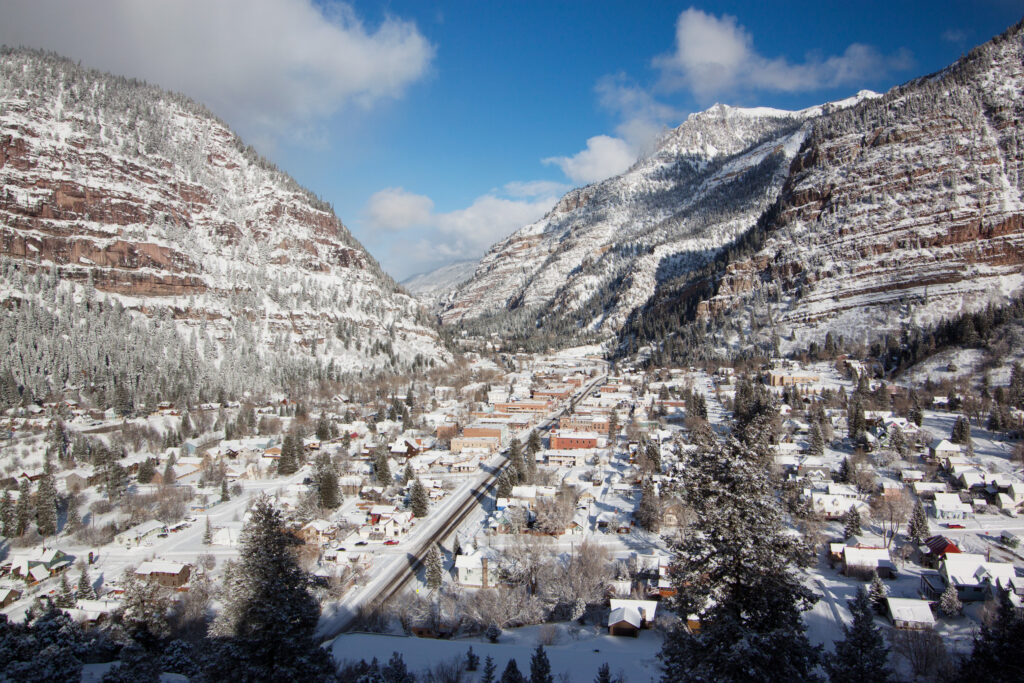
Ouray is often called the Switzerland of America, and the steep mountains surrounding its compact downtown explain why. Winter is a particularly interesting time to visit: snow settles on the slopes above town, hot-spring pools offer a welcome contrast to the cold air, and the Ouray Ice Park draws climbers to its frozen routes in the Uncompahgre Gorge.
The Ice Park is a specialist destination rather than a casual walk-on climbing attraction. Its season and conditions depend on weather and ice production; the park’s usual season runs from mid-to-late December into March, but opening and closing dates vary. Visitors who are not climbing can view parts of the gorge from designated public areas, while climbers should review current conditions, access rules and equipment requirements before entering.
Make time for: a soak at a local hot spring, a walk through downtown and a visit to the gorge viewpoint. Check road conditions before crossing high passes, particularly if your route includes US 550. Open Ouray Ice Park in Google Maps.
6. Great Sand Dunes National Park: Winter on the Edge of the High Desert
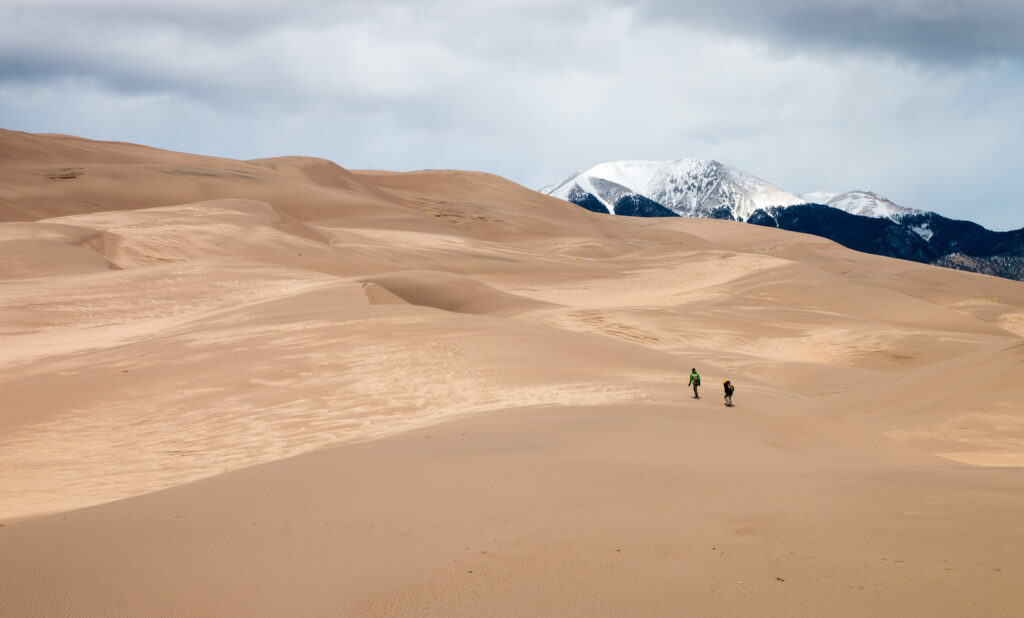
Great Sand Dunes is one of Colorado’s most unusual winter landscapes. The dunes rise in front of the snow-covered Sangre de Cristo Mountains, so a cold-season visit can bring together sand, snow and mountain light in a single view. When the sand is firm or partly frozen, walking on the lower dunes can feel different from a hot-weather visit. Fresh snowfall may briefly cover sections of the dune field before the sun melts it away.
Winter is quiet, but it is not automatically easy. Temperatures can drop sharply, wind can make the open dune field feel much colder, and snow may affect trails and access roads. The National Park Service notes that the Medano Pass Primitive Road is seasonally restricted; do not assume it is open for a through drive. The main park road is usually maintained, but check current alerts and weather before travelling.
What to bring: insulated layers, gloves, eye protection for wind-blown sand, water and footwear that can handle cold, damp sand. If you want to sled or sandboard, verify current equipment rules and surface conditions; ordinary snow sleds do not work well on every type of sand. Open Great Sand Dunes in Google Maps.
7. Garden of the Gods: Snow-Dusted Red Rocks Near Colorado Springs
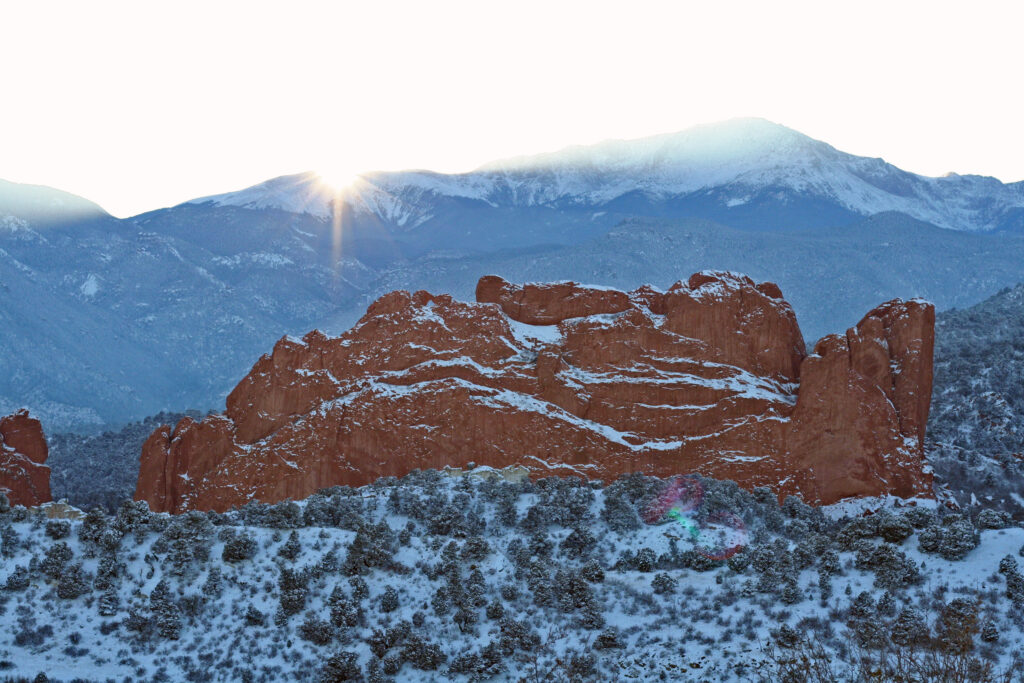
Garden of the Gods is one of the easiest winter landscape stops to add to a Colorado Springs visit. The red sandstone formations stand out against snow and a blue winter sky, with Pikes Peak often visible behind them. You do not need a strenuous hike to appreciate the scenery: the park has short walking options and a scenic road that lets visitors see several formations without committing to a long outing.
Because the park is close to the city, it can be a useful choice when mountain roads are difficult or you have only a half day. Surfaces can still be icy after a freeze, especially in shaded areas, so wear shoes with good grip and stay on marked routes. The park is free to enter; the Visitor & Nature Center has separate hours and holiday closures, so check before making it part of your plan.
Best approach: Start with the main scenic loop and choose one or two short walks based on the day’s conditions. Parking near popular trailheads can fill during holidays. Open Garden of the Gods in Google Maps.
8. Aspen: Snowy Mountain Views and a Lively Winter Town
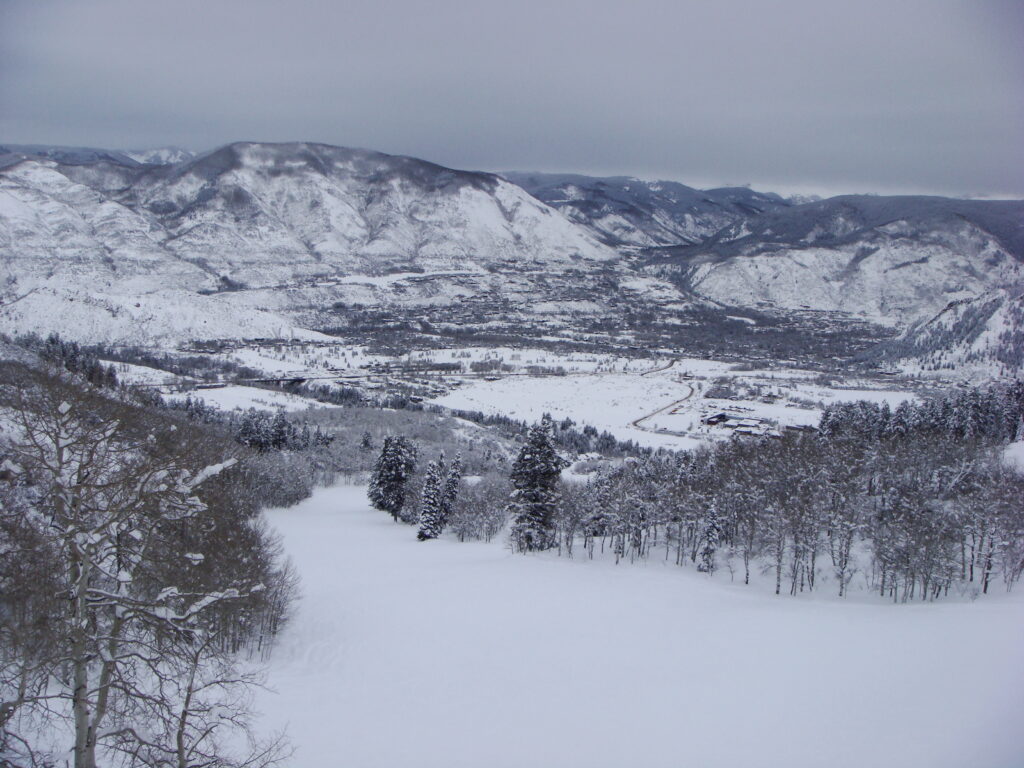
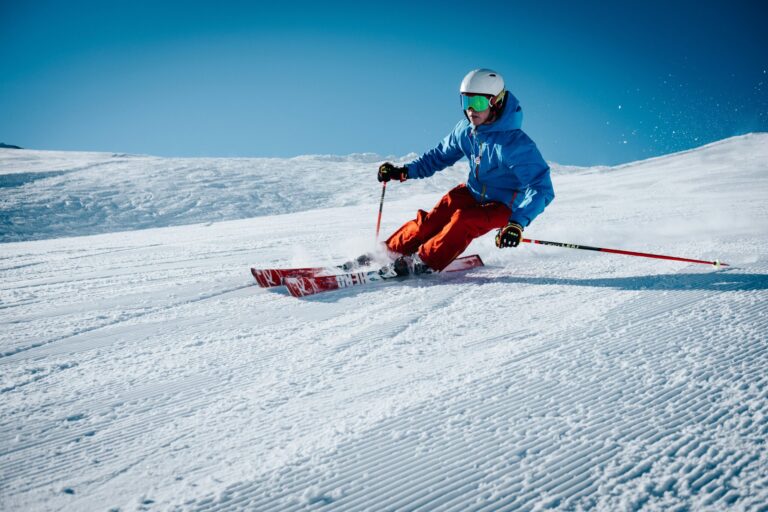
Aspen combines a compact, walkable downtown with several distinct ski areas and big mountain scenery. You can spend the day skiing, browse the shops and galleries, or simply enjoy the view of the surrounding peaks from town. Buttermilk, pictured here, is one of the four Aspen Snowmass mountains and is known for a more approachable feel than some of the steeper terrain elsewhere in the area.
You do not need to drive between every stop. The Roaring Fork Transportation Authority (RFTA) operates regional and local buses, including winter services that connect Aspen, Snowmass Village and other communities in the valley. Check the current winter timetable and any fare or service changes before setting out. If you are driving, allow extra time on the approach through Glenwood Canyon and along the valley, and check weather and road restrictions.
Good to know: Aspen is a popular winter destination, so accommodation and restaurant reservations can be expensive or limited during peak holiday weeks. Booking early makes the trip easier. Open Aspen in Google Maps.
How to Plan a Colorado Winter Trip
Choose your route realistically
These eight places are spread across the state. Trying to visit all of them in a short trip means long drives through high-elevation terrain. For a week, choose one cluster: Rocky Mountain National Park and Breckenridge; Vail and Aspen; or Telluride and Ouray. Garden of the Gods and Great Sand Dunes can work together as a southern Colorado extension, but the drive between regions still takes planning.
Prepare for winter driving
Check the Colorado Department of Transportation’s COtrip road conditions before every long drive. Colorado traction and chain laws can be activated when conditions deteriorate, and rental-car policies may set additional restrictions. Carry warm clothing, food, water, a phone charger and enough fuel. Do not rely on a navigation app’s shortest route if it sends you over a remote mountain pass in a storm.
Check access and opening dates
Roads, gondolas, ski lifts, visitor centres and ice-climbing facilities operate on different seasonal schedules. Confirm the official page for the specific date you plan to visit. A destination can be open while a particular road, trail or attraction remains closed.
Give yourself time to adjust to altitude
Many Colorado destinations sit well above sea level. Take it easier on your first day, drink water, limit alcohol and pay attention to how you feel. If symptoms are severe or worsening, descend and seek medical advice.
Which Colorado Winter Destination Should You Choose?
For classic snowy mountain scenery and accessible walks, start with Rocky Mountain National Park. For a historic mountain town, choose Breckenridge. Vail and Aspen suit visitors who want resort amenities and easy local transport. Telluride offers a memorable gondola connection and dramatic setting, while Ouray is the place to consider for hot springs and ice climbing. Great Sand Dunes and Garden of the Gods bring something different: winter light across sand and red rock rather than another ski-town itinerary.
Whichever route you choose, check official conditions close to departure and leave room in your schedule for weather. Colorado winter trips are best when the drive is part of the plan—not an afterthought.
Official Planning Resources
- Rocky Mountain National Park winter road and timed-entry information
- Rocky Mountain National Park timed-entry permit system
- Breckenridge parking and directions
- Vail transportation and free bus services
- Telluride gondola operating information
- Ouray Ice Park FAQ and seasonal opening
- Great Sand Dunes monthly conditions
- Garden of the Gods directions and park hours
- Colorado road conditions — COtrip
- Roaring Fork Transportation Authority
Wild Trail Atlas editorial note: Access, weather, transportation and operating schedules can change. Confirm current information with the official providers linked above before travelling.
More from Wild Trail Atlas