Yellowstone National Park is huge, and its main attractions are spread across a network of winding roads. Without a plan, you can spend more time driving than exploring.
The best approach is to group nearby attractions together. Spend one day exploring the geysers, another visiting the Grand Canyon of the Yellowstone, and use your remaining time for Yellowstone Lake or wildlife watching.
This guide covers the best places to visit, driving distances, useful hikes, accommodation, and a practical three-day itinerary.
1. Yellowstone’s Main Areas and What to See
Yellowstone’s Grand Loop Road connects most of the park’s main attractions. Knowing where each attraction sits helps you plan your days without unnecessary driving.
Old Faithful and the Upper Geyser Basin
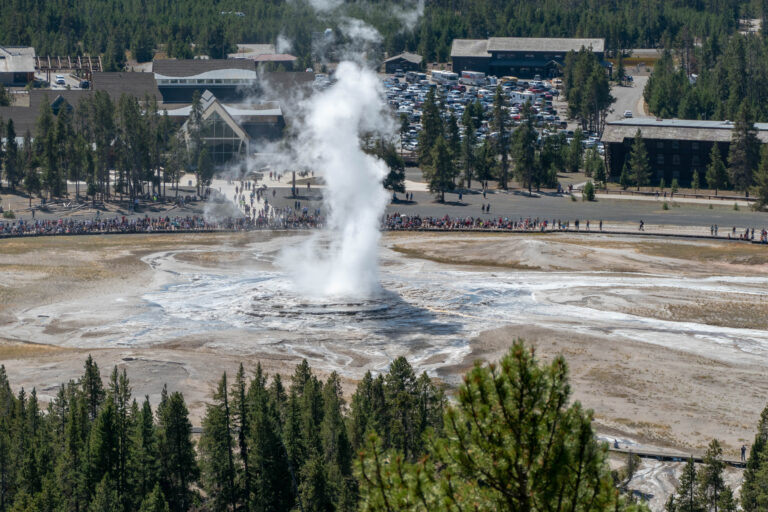
Old Faithful is one of Yellowstone’s best-known attractions. The geyser erupts regularly, and the visitor center provides predictions for its next eruption.
After watching, explore the surrounding Upper Geyser Basin, where boardwalks pass numerous geysers and hot springs.
Allow: 1–3 hours, depending on how far you walk.
Best for: First-time visitors and geothermal scenery.
Grand Prismatic Spring
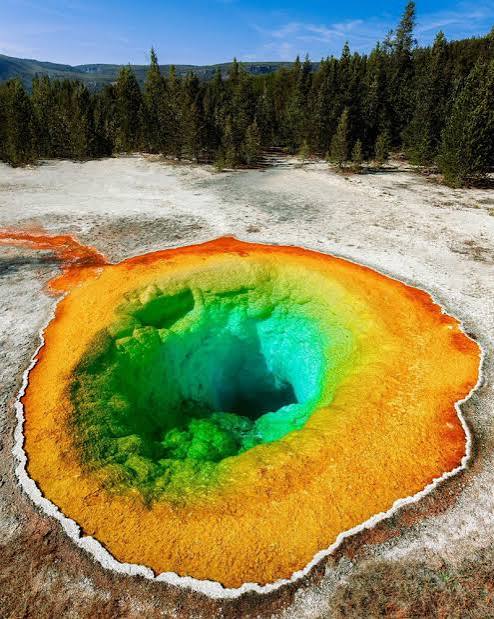
Grand Prismatic Spring is famous for its bright colors. You can view it from the Midway Geyser Basin boardwalk or climb to the Grand Prismatic Overlook for a view from above.
If you have time, do both. The boardwalk brings you close to the geothermal features, while the overlook shows the spring’s overall shape.
Allow: 1–2 hours for the boardwalk and overlook.
Best for: Photography and short walks.
Grand Canyon of the Yellowstone
The Yellowstone River cuts through a deep canyon with colorful rock walls and impressive waterfalls.
Visit viewpoints such as Artist Point and other open canyon-rim overlooks. You can enjoy excellent views without taking a long hike.
Allow: 2–3 hours for several viewpoints and short walks.
Best for: Waterfalls, canyon scenery and photography.
Yellowstone Lake and West Thumb
Yellowstone Lake offers open water, mountain views and a quieter change of pace from the busy geyser basins.
At West Thumb Geyser Basin, boardwalks pass hot springs beside the lake. It is a convenient stop if you want to combine lakeside scenery with geothermal features.
Allow: 1–2 hours.
Best for: Lakeside views and easy walking.
Mammoth Hot Springs
Mammoth Hot Springs has pale mineral terraces formed by hot water depositing calcium carbonate. Boardwalks let you explore the terraces without walking on fragile ground.
Its northern location makes it convenient for visitors entering through Gardiner, Montana.
Allow: 1–2 hours.
Best for: Unusual geothermal formations and short walks.
Where to Watch Wildlife
Hayden Valley is in central Yellowstone, making it easy to combine with Canyon Village and Yellowstone Lake. Bison and elk are commonly sought here, although sightings are never guaranteed.
Lamar Valley is in northeastern Yellowstone and is known for opportunities to look for bison, wolves, pronghorn and bears.
Early morning and late evening are often productive times for wildlife watching. Use binoculars and stop only in designated pullouts or other legal parking areas. Never approach wildlife.
2. Driving Distances Between Major Attractions
The following are approximate planning estimates for ordinary driving conditions. Traffic, roadwork, wildlife crossings and seasonal closures can increase travel times.
| Route | Approximate distance | Driving time |
|---|---|---|
| Old Faithful to Grand Prismatic Spring | 5–10 miles | 10–20 minutes |
| Old Faithful to West Thumb | 17 miles | 25–35 minutes |
| West Thumb to Lake Village | 20 miles | 30–40 minutes |
| Lake Village to Canyon Village | 16 miles | 25–35 minutes |
| Canyon Village to Mammoth Hot Springs | 19 miles | 30–40 minutes |
| Canyon Village to Hayden Valley viewing areas | 10–20 miles | 15–35 minutes |
| Mammoth Hot Springs to Lamar Valley | 30–40 miles | 45–75 minutes |
| Old Faithful to Canyon Village | About 30 miles | 45–60 minutes |
| Old Faithful to Lamar Valley | 55–65 miles | 1.5–2 hours or more |
Distances vary with your exact destination and parking area. These estimates do not include time spent walking, finding parking or watching wildlife.
- Southern and western areas: Old Faithful and Grand Prismatic Spring.
- Central areas: Grand Canyon of the Yellowstone and Hayden Valley.
- Northern areas: Mammoth Hot Springs and Lamar Valley.
- Lake area: Yellowstone Lake and West Thumb.
Avoid crossing the park repeatedly just to visit attractions in different areas.
3. Hiking Trails Worth Your Time
You do not need strenuous hikes to enjoy Yellowstone. Many major attractions have short boardwalks or trails near the road.
| Trail | Distance | Walking time | Difficulty |
|---|---|---|---|
| Grand Prismatic Spring Overlook | About 1.2 miles round trip | 30–60 minutes | Easy to moderate |
| Fairy Falls | About 5 miles round trip | 2–3 hours | Easy to moderate |
| Cascade Lake | About 4.4 miles round trip | 2–3 hours | Easy |
| Upper Geyser Basin | Varies by route | 1–3 hours | Generally easy on boardwalks |
The Grand Prismatic Overlook climbs to a higher viewpoint above the spring. Fairy Falls offers a longer walk to a waterfall, while Cascade Lake provides a quieter hiking option near Canyon Village.
Distances and access can vary with trail closures and route conditions. Check current National Park Service trail information before setting out, and confirm elevation gain against the current trail description rather than relying on older hiking guides.
Hiking Safety
- Carry bear spray in an accessible position and know how to use it.
- Stay on marked trails and geothermal boardwalks.
- Carry water and weather-appropriate clothing.
- Check for snow, ice, muddy sections and wildlife-related closures.
- Keep at least 100 yards from bears and wolves and 25 yards from other wildlife, including bison and elk.
Even short walks can take longer than expected in poor conditions.
4. Where to Stay
Your accommodation affects how much time you spend driving.
| Location | Best for |
|---|---|
| Old Faithful area | Geysers and geothermal attractions |
| Canyon Village | Canyon viewpoints and Hayden Valley |
| Lake Village | Yellowstone Lake and southern routes |
| Mammoth Hot Springs | Northern Yellowstone and the North Entrance |
| West Yellowstone, Montana | Western entrance and geyser basins |
| Gardiner, Montana | Mammoth Hot Springs and northern attractions |
Staying inside the park can reduce morning driving, but accommodation is limited and summer bookings fill quickly.
West Yellowstone is convenient for exploring the western side, while Gardiner is useful for northern attractions. Jackson, Wyoming, can work for a combined Yellowstone and Grand Teton trip, but it is a long way from Yellowstone’s northern attractions.
For a three-day visit, consider changing accommodation once if it meaningfully reduces driving. Otherwise, choose one base near the areas you most want to see. Book accommodation and campsites in advance, and confirm seasonal opening dates before travelling.
5. A Practical Three-Day Yellowstone Itinerary
This plan covers the main attractions without attempting to see the entire park. It assumes the relevant roads and attractions are open.
Day 1: Old Faithful and Grand Prismatic Spring
Morning: Watch Old Faithful erupt, then explore part of the Upper Geyser Basin.
Afternoon: Visit Grand Prismatic Spring and take the overlook trail if conditions and time allow.
Optional: Explore another nearby geyser basin or walk farther toward Fairy Falls.
Stay: Near Old Faithful or West Yellowstone.
Day 2: The Grand Canyon of the Yellowstone and Hayden Valley
Morning: Visit Artist Point and other open canyon viewpoints.
Afternoon: Drive through Hayden Valley and look for wildlife. Use designated pullouts and allow time to scan the landscape.
Optional: Visit Yellowstone Lake if time and your accommodation location make it practical.
Stay: Near Canyon Village or Lake Village.
Day 3: Yellowstone Lake and Your Choice of Wildlife or Geothermal Scenery
Morning: Visit Yellowstone Lake and West Thumb Geyser Basin.
Afternoon: Choose between Mammoth Hot Springs and Lamar Valley, depending on your interests and departure plans.
Mammoth is the better choice if you want more geothermal scenery. Lamar Valley is worth the longer drive if wildlife watching is a priority. Do not try to fit both into the same afternoon unless your route, available time and accommodation make that realistic.
If You Have Less Time
- One day: Focus on Old Faithful and Grand Prismatic Spring, or visit the canyon if it better fits your entrance and route.
- Two days: Combine the geothermal attractions on day one with the canyon and Hayden Valley on day two.
- Three days: Add Yellowstone Lake or devote a day to northern Yellowstone.
- Four or more days: Allow extra time for Lamar Valley, longer hikes and slower exploration.
6. When to Visit and What to Check
Best Time to Visit
- June to August: Generally the easiest season for access to major attractions, but also the busiest. Start early to reduce parking delays.
- May and September: Can offer fewer crowds, but snow, weather and seasonal closures may affect roads and trails.
- October to April: Winter conditions limit ordinary vehicle access to many park roads. Winter visits require separate transport and activity planning.
Yellowstone’s weather can change quickly, even in summer. Bring layers, rain protection and suitable walking shoes.
Road Access and Fees
Many park roads close to ordinary vehicles during winter. The northern road between the North Entrance and Cooke City is generally the main year-round road exception, although conditions and restrictions still apply.
Check the current road status before planning your route. Never assume that a road or trail is open because it appeared in an older guide.
Yellowstone charges entrance fees. Check the official National Park Service fee page for current rates and applicable passes. Also confirm whether any special activity you plan requires a separate permit.
For a standard visit, check current entry requirements rather than assuming that timed-entry rules from another national park apply to Yellowstone.
Reservations and Other Requirements
- Reserve accommodation and campsites where required.
- Check current road closures and trail conditions.
- Verify entrance fees and any permits relevant to your activities.
- Download an offline map because mobile coverage can be limited.
- Check visitor center, restaurant and other facility opening hours.
- Arrange suitable clothing, water, food and transportation.
If you plan to hike in the backcountry, check the current permit requirements and campsite rules.
7. What to Arrange Before Departure
Choose your main attractions, group them by area, and confirm your accommodation. Check the official road and trail updates, download a map, and pack for changing weather.
Leave room for unexpected delays and wildlife sightings. Yellowstone is more enjoyable when you have time to explore a few places properly rather than rushing between every attraction.
About Me
Hi, I’m Graham, the creator of Wild Trail Atlas.
I share travel inspiration, hiking guides, and outdoor gear recommendations to help you plan your next adventure.
My goal is to make exploring the outdoors easier with practical information and useful resources.
Whether you’re planning a weekend getaway or a mountain adventure, Wild Trail Atlas is here to help you explore more.
More from Wild Trail Atlas