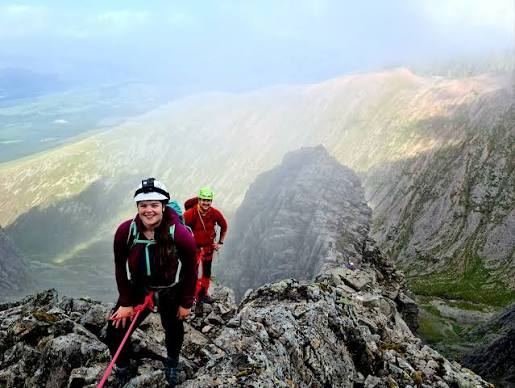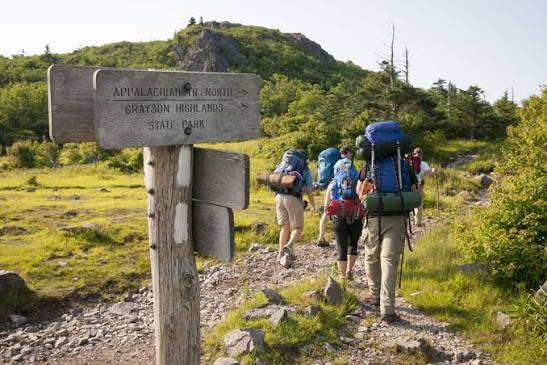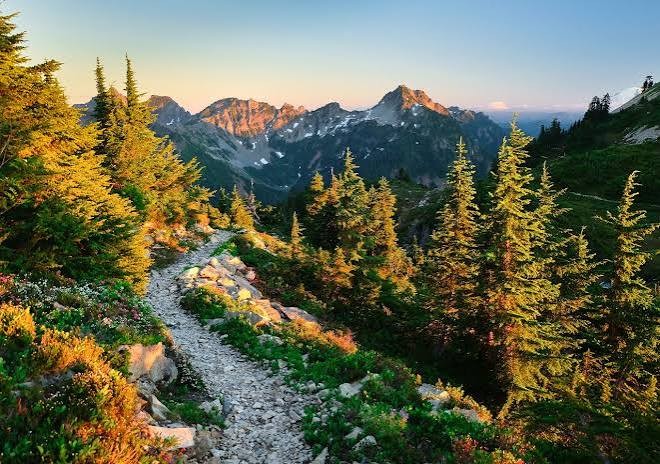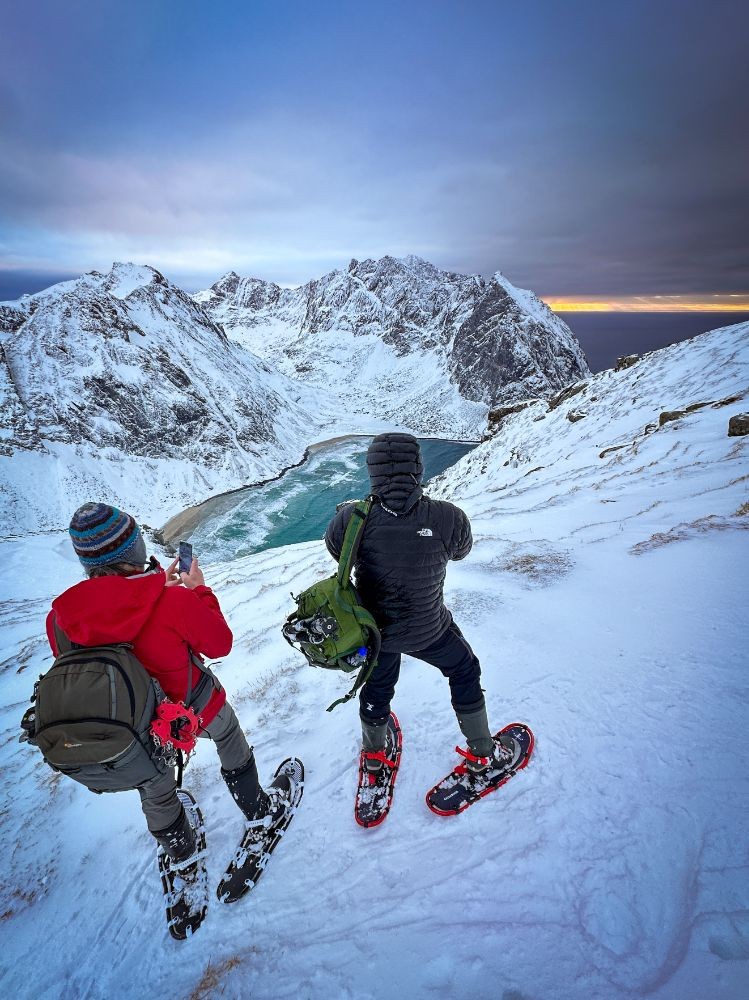
There is a special kind of quiet on a winter trail. Snow softens the noise, the air feels sharp and clean, and even a familiar mountain can look like a place you have never seen before. But winter can turn an easy summer walk into a serious outing, so the best cold-weather hike is not always the highest or the most dramatic one. It is the one that matches the weather, daylight, your experience, and the gear you brought.
These eight hikes offer memorable winter scenery in different parts of the United States. Conditions change quickly, and some routes may be closed, icy, avalanche-prone, or accessible only with special equipment. Check the official land manager’s current alerts before travelling, and turn around if conditions are beyond your comfort level.
1. Emerald Lake Trail, Rocky Mountain National Park, Colorado
If you want a classic Rocky Mountain winter scene without committing to a long backcountry route, Emerald Lake is worth considering. The trail passes Nymph Lake and Dream Lake before reaching Emerald Lake beneath steep mountain walls. In winter, the lakes and peaks can look spectacular under fresh snow.
What to know: The route is around 3.2 miles round trip from the Bear Lake trailhead, but snow and ice can make it slower and more tiring than the distance suggests. The park may require traction devices, and parking or access rules can change by season.
Plan it well: Start early, carry traction and insulated layers, and check Rocky Mountain National Park alerts and trail conditions. Do not walk onto frozen lakes unless park staff explicitly say it is safe.
2. Lower Yosemite Fall Trail, Yosemite National Park, California
Winter gives Yosemite Valley a different mood: mist hangs in the trees, granite walls rise above the valley floor, and the waterfall can be especially powerful during wet periods. The short Lower Yosemite Fall loop is a good option when you want a big landscape without a full-day hike.
What to know: The loop is roughly one mile and generally gentle, but paths can be slick from ice, spray, or packed snow. Waterfall flow varies with the season, and icy conditions can make some sections unsafe.
Plan it well: Check Yosemite’s current trail and road conditions before setting out. Wear shoes with good grip, keep back from slippery rocks, and do not cross barriers to get closer to the falls.
3. Artist’s Point, Yellowstone National Park, Wyoming
For a winter landscape that feels almost unreal, the viewpoints around the Grand Canyon of the Yellowstone can be unforgettable. Snow frames the canyon, and the Lower Falls cut through the landscape in a way that looks very different from summer.
What to know: Yellowstone’s winter road access is highly seasonal. Many roads close to regular vehicles, and access may depend on snowcoaches, guided trips, or specific park services. Do not assume you can drive to the viewpoint in your own car.
Plan it well: Check Yellowstone’s winter operating schedule and current road status first. Use only open, signed viewpoints and stay behind barriers; snow can hide steep edges.
4. Skyline Loop, Mount Rainier National Park, Washington
On a clear day, the Paradise area offers wide views of Mount Rainier and the surrounding peaks. The Skyline Loop is famous for those views, but winter changes the experience completely: deep snow, whiteout conditions, and steep slopes can turn it into a demanding mountaineering outing.
What to know: This is not a casual winter walk when snow covers the route. The full loop may be unsuitable for many visitors, and avalanche terrain and rapidly changing weather are serious concerns.
Plan it well: Treat the route as an option only for people with suitable winter skills, equipment, and current local information. If you are new to snow hiking, choose a short, open, lower-risk route near Paradise instead and follow park guidance.
5. Mohonk Preserve’s Winter Trails, New York
For a winter walk in the Northeast, Mohonk Preserve has forest paths, rocky viewpoints, and views across the Shawangunk Ridge. It can be a rewarding choice when you want a day outdoors without travelling into a remote mountain area.
What to know: Trail difficulty varies, and exposed rock can become icy. Access, parking, and fees depend on the preserve’s current arrangements, while some routes may be closed in poor conditions.
Plan it well: Choose a route from the preserve’s current trail map that fits the day’s conditions. Carry traction for icy sections and check official notices before leaving home.
6. Franconia Notch State Park, New Hampshire
The mountains of New Hampshire look striking in winter, and Franconia Notch offers several ways to enjoy the scenery. Rather than automatically aiming for a summit, consider a lower-elevation walk or a short trail near the notch when the weather is settled.
What to know: Popular mountain routes in this region can become dangerous in winter because of ice, high winds, and sudden weather changes. A route that is straightforward in summer may require winter hiking experience and specialized equipment when snow-covered.
Plan it well: Check New Hampshire State Parks and local trail-condition reports. If you are inexperienced, avoid exposed summits and choose a maintained, lower-elevation route with a clear turnaround point.
7. Great Smoky Mountains National Park, Tennessee and North Carolina
The Smokies are a useful winter choice because conditions vary with elevation. Lower trails can offer quiet forest walks while higher ridges may be icy or covered in snow. On a cold morning, the bare trees can open up views that are hidden by summer leaves.
What to know: Winter weather can close roads and facilities, and higher-elevation trails can be much colder than nearby towns. Ice is common after freezing temperatures, even when there is little snow.
Plan it well: Check the park’s road and trail closures on the day of your visit. Pick a low-elevation route if you want an easier outing, and carry water, food, a warm layer, and a headlamp.
8. Bryce Canyon National Park, Utah
Snow on Bryce Canyon’s red rock formations creates a striking contrast, and the viewpoints can be beautiful after a fresh snowfall. If you want a winter outing with memorable scenery, start by checking the rim viewpoints and the park’s open trails.
What to know: The park sits at high elevation, so temperatures can be low and trails may be icy. Routes that descend among the hoodoos can be more demanding on the return climb, especially when snow or ice covers the path.
Plan it well: Check current trail conditions and closures before choosing a route. Use traction where needed, stay on marked paths, and do not enter a trail if the return climb looks unsafe.
How to Choose the Right Winter Hike
Before choosing a trail, be honest about what you want from the day. If you mainly want snow-covered scenery and fresh air, a short low-elevation loop or an open viewpoint may be more enjoyable than a difficult summit. Save steep, exposed routes for days when you have the right experience, equipment, and forecast.
- Check conditions the same day. Look at official park alerts, road status, weather, and trail reports—not just a summer hiking app.
- Carry traction and warm layers. Microspikes or other traction devices may be useful on icy trails; snowshoes may be needed in deeper snow. Bring gloves, a hat, waterproof outer layers, and spare insulation.
- Start with enough daylight. Winter days are short. Set a turnaround time and carry a headlamp even if you expect to finish early.
- Bring more than you think you need. Pack water, food, navigation, a charged phone, and a backup way to find your route. Cold weather can drain batteries quickly.
- Know when to turn around. Whiteout conditions, unstable snow, worsening weather, unexpected ice, or slower-than-planned progress are good reasons to change plans.
Before You Go
Winter hiking is not about proving how much cold you can handle. It is about choosing a route that lets you enjoy the season and return safely. Check the official information for your chosen park, make a realistic plan, and be willing to swap a summit for a shorter walk if conditions call for it. A quiet trail and a safe trip home are a good day outdoors.
About Me
Hi, I’m Graham, the creator of Wild Trail Atlas.
I share travel inspiration, hiking guides, and outdoor gear recommendations to help you plan your next adventure.
My goal is to make exploring the outdoors easier with practical information and useful resources.
Whether you’re planning a weekend getaway or a mountain adventure, Wild Trail Atlas is here to help you explore more.
More from Wild Trail Atlas