
Your first camping trip doesn’t have to cost a fortune. You need somewhere suitable to sleep, protection from the weather, enough food and water, and a way to see what you’re doing after dark. The rest depends on where you’re going, what you’ll eat, and how comfortable you want to be.
This checklist is for first-time car campers in the United States, particularly those staying at established campgrounds. You can bring supplies in your car, so you don’t need lightweight backpacking gear or a collection of specialist equipment.
The smartest approach is simple: get the essentials right, borrow expensive gear when possible, and leave the extras until you know you’ll use them.
What should you secure first? Make sure you have a suitable shelter, a sleeping setup for the expected overnight temperatures, reliable lighting, enough safe drinking water, and clothing for the forecast. Then cover any cooking, food-storage, or safety equipment required by your meal plan and campground rules. Buy only what you can’t borrow, rent, or safely replace with something you already own.
1. What to Buy
Start with the items that affect your sleep, protection from the weather, food, lighting, and safety. You don’t necessarily have to own all of them before your first trip; borrowing is a perfectly sensible way to get started.
Your Essential Camping Kit
For a typical weekend at a developed campground, make sure you have access to:
- A suitable tent, including its poles, stakes, guylines, and rainfly.
- A sleeping bag or appropriate bedding, plus a sleeping pad or mattress.
- A headlamp or flashlight, with a backup light available.
- Drinking water and clean containers for carrying it.
- Planned meals and the equipment needed to prepare them.
- Clothing for the expected temperatures, including a warm layer and rain protection.
- Personal medication, first-aid supplies, toiletries, and appropriate sun and insect protection.
- Dishwashing supplies and trash bags, where appropriate for the campground.
- Your reservation details, a charged phone, offline navigation information, and an emergency plan.
You can borrow several bulky items on this list. What matters is having a complete, suitable setup before leaving home.
Choose a Tent You Can Actually Use
A tent doesn’t need dozens of features to be a good choice for a first trip. It needs enough room for everyone sleeping inside, reliable components, suitable weather protection, and a setup you can manage without frustration.
Pay attention to sleeping capacity. A two-person tent generally means space for two people to sleep, not necessarily two adults and all their bags. If you’re camping as a couple, the extra room of a larger tent may be worth considering.
For car camping, prioritize usable space, ventilation, a rainfly, and a design you can pitch confidently. Check the floor dimensions, included components, and the conditions the tent is designed to handle. Don’t assume that a tent described as waterproof is suitable for every storm or campsite.
If a friend has a suitable tent, borrow it first. Set it up in your yard or driveway and confirm that the poles, stakes, guylines, and rainfly are present. Practicing at home helps you spot missing or damaged parts before you arrive at the campground.
Get Your Sleeping Setup Right

A sleeping bag, sleeping pad, and appropriate clothing work together. A warm sleeping bag alone won’t necessarily keep you comfortable if you’re losing heat to the ground.
Sleeping bag: Start with the lowest overnight temperature you reasonably expect. When a bag provides standardized comfort and lower-limit ratings, understand which rating applies to your needs. These ratings help with selection, but they don’t guarantee that every person will feel equally warm. If you tend to sleep cold, allow an extra margin rather than choosing equipment that only just matches the forecast.
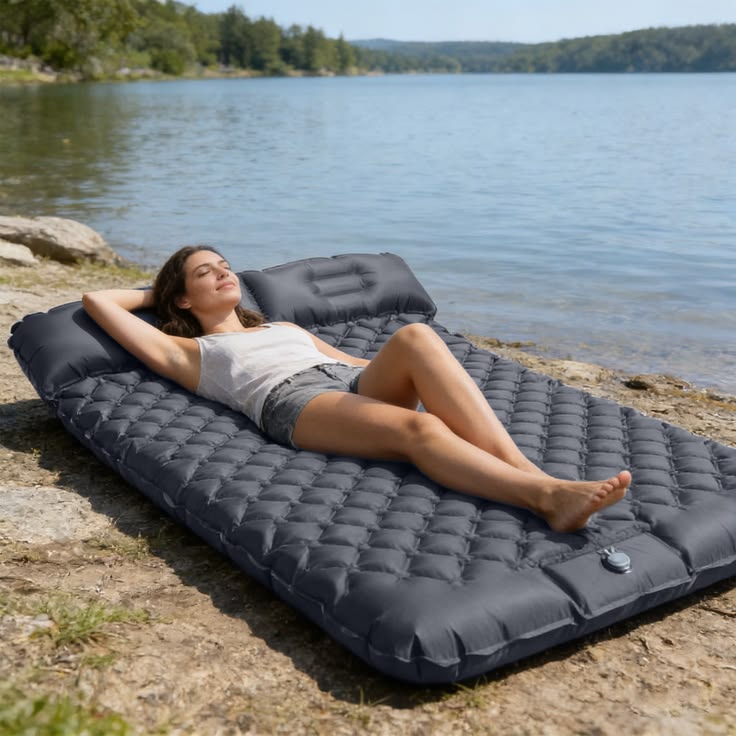
Sleeping pad: A pad cushions you and reduces heat loss to the ground. Its R-value indicates its insulation performance; higher values generally provide more insulation. The right choice depends on the expected conditions and the rest of your sleeping setup.
Clothing: Bring dry sleepwear and enough layers to stay comfortable overnight. If your daytime clothes become wet or sweaty, don’t assume they’ll be pleasant to sleep in.
REI explains the details in its guides to sleeping bag temperature ratings and sleeping pads.
A warm summer campground and a cold mountain campsite call for different equipment. Choose for the conditions you expect, and leave yourself a margin for an unexpectedly chilly night.
Bring Dependable Lighting
Every camper should have a working headlamp or flashlight, and it’s sensible to have a backup light available. A headlamp is particularly useful when you’re carrying things, preparing dinner, or finding your way to the restroom after dark.
 A rechargeable LED headlamp may be convenient if you can recharge it reliably. If not, a battery-powered model with spare batteries may suit you better. Pay attention to runtime, ease of operation, and the light’s stated water resistance.
A lantern can be useful around the picnic table, but decorative string lights can wait. Being able to see clearly matters more than making the campsite look attractive.
Plan Your Meals Before Buying Cooking Equipment
It’s easy to buy a stove, a large cookware set, and several accessories before deciding what you’ll actually cook. Start with the menu instead.
If you’re bringing sandwiches, ready-to-eat meals, or food prepared at home, you may not need a stove. If you want a hot breakfast and a simple dinner, a compact cooking setup may be enough.
Water: Bring water for drinking, cooking, and basic cleanup. Estimate what your group needs based on the number of people, length of the trip, weather, and planned meals. The National Park Service gives a general rule of thumb of about two liters of drinking water per person per day, or more in very hot conditions. This is a starting point, not a universal allowance for all activities. Check whether the campground supplies potable water, and plan extra supplies if it doesn’t.
Cold food storage: If you’re bringing meat, dairy, or other perishable food, use an insulated cooler with enough ice or frozen cold packs to keep the food at 40°F (4.4°C) or below. Pack food cold before leaving home, keep the cooler closed and shaded when possible, and replenish the ice as needed. A cooler without an adequate cold source may not keep food safe.
Keep perishable food out of the temperature danger zone. As a general food-safety rule, don’t leave perishable food unrefrigerated for more than two hours, or more than one hour when temperatures are above 90°F (32°C). When in doubt, follow official USDA food-safety guidance.
A cooler isn’t automatically bear-resistant. In wildlife areas, food, trash, toiletries, and other scented items may need to go in designated lockers or approved containers. Follow the specific campground’s rules.
Cooking equipment: If your menu calls for hot meals, a portable camping stove may be all you need. Make sure the fuel and cookware are compatible, practise using unfamiliar equipment before the trip, and check that the campsite permits its use.
Cooking safety: Use fuel-burning cooking equipment outdoors, in a permitted location, and according to the manufacturer’s instructions. Never operate a stove, grill, or fuel-burning heater inside a tent or other enclosed shelter. Fire restrictions can change with conditions, so check the latest rules before you leave.
Cleanup: Pack dish soap where permitted, a sponge or cloth, and a way to contain trash. Bring enough water for washing up if the campground doesn’t provide a suitable facility, and dispose of wastewater and trash according to the site’s rules. Keep food scraps and scented trash secured as required by local wildlife guidance.
For additional planning advice, see the National Park Service’s guides to what to bring camping and cooking at camp.
Pack Clothing for the Night, Not Just the Day
A sunny forecast doesn’t guarantee a comfortable evening. Temperature, wind, rain, elevation, and exposure can all affect how warm you’ll feel.
For a typical weekend, bring comfortable clothing for your planned activities, an extra warm layer, spare socks and underwear, suitable footwear, and rain protection. Sunscreen, sunglasses, and a hat are also useful when conditions call for them.
You may already own clothing that works perfectly well for a campground weekend. Use what you have before buying specialist outdoor clothing for a trip you haven’t tried yet.
Cover First Aid, Hygiene, and Navigation
Bring your personal medication, toiletries, hand-cleaning supplies, toilet paper where needed, and a basic first-aid kit. Sunscreen and insect repellent depend on the location and season.
 A compact outdoor first-aid kit can be a starting point, but don’t assume every prepacked kit contains everything your group needs. Check its contents, bring essential personal medication separately, and know how to use the supplies you carry.
Before leaving, charge your phone, save your reservation details, and download offline maps if your navigation app supports them. A power bank may help with battery life, but it won’t guarantee reception or emergency communication in a remote area.
For trips where mobile service may be unreliable, understand how you’ll navigate and get help before you arrive. When appropriate, leave your itinerary and expected return time with someone who isn’t travelling with you.
The National Park Service’s pre-trip camping safety guidance covers weather, site regulations, equipment checks, and emergency preparation.
2. What to Borrow
Borrowing is often the easiest way to avoid overspending on your first camping trip. Tents, sleeping equipment, tables, chairs, and cooking gear can be bulky and expensive, and you may discover that your first choices aren’t the right ones for you.
Ask friends or family, look into local gear rentals, or check whether the campground offers equipment. If you’re renting, confirm the collection and return times, included accessories, cleaning requirements, and responsibility for damage.
Borrow the Tent
Borrowing a tent lets you test whether its space and design suit you before buying one. Inspect the fabric, zippers, seams, and groundsheet, and confirm that the poles, stakes, guylines, and rainfly are present. Set it up before departure so you can identify missing or damaged parts in time to find an alternative.
The tent must still be suitable for the forecast. If it isn’t, borrow or rent a better option rather than hoping the weather stays favourable.
Borrow the Sleeping Bag and Pad
Sleeping comfort is personal. One person may be comfortable on a relatively thin pad while another needs more cushioning and insulation.
Check that the sleeping bag is clean, dry, and appropriate for the expected overnight temperatures. If the pad is inflatable, make sure it holds air and that you have the pump or other equipment needed to use it.
Don’t borrow just any sleeping bag because it’s available. If it isn’t warm enough for the expected conditions, rent or obtain a suitable alternative.
Borrow Cooking Equipment and Camp Furniture
Check what your campsite already provides. Some established campgrounds have picnic tables and designated cooking facilities; others have fewer amenities.
If your meals require a stove, borrowing one lets you try the setup before spending money. Confirm its fuel type, condition, instructions, and compatibility with the cookware. Practise using it outdoors in a safe, permitted location before relying on it during the trip.
Chairs, tables, and large coolers are also worth borrowing. You may find that a picnic table is enough, or that a basic chair suits you better than an expensive model.
Borrow Recreational Gear
A hammock, binoculars, or dedicated camera may add something to your trip, but none is necessary for a basic camping weekend.
Start with the phone or camera you already own. If photography becomes a regular part of your outdoor trips, you’ll have a better idea of which features you actually need.
For expensive branded electronics, buy from a reputable seller and verify the exact model, warranty, and authenticity. A familiar product name or photograph isn’t enough to establish that a marketplace listing is genuine.
A good rule: Borrow expensive, bulky, or mainly comfort-related equipment before buying it, provided the borrowed item is safe and suitable for the trip.
3. What to Skip on Your First Camping Trip
It’s easy to spend more than necessary when every accessory is marketed as essential. For your first trip, concentrate on what helps you sleep, stay comfortable, prepare food safely, and deal with the conditions.
Decorative Lights
String lights can make a campsite look inviting, but they’re not a substitute for a headlamp or flashlight. Leave them at home until your practical lighting needs are covered.
Premium Chairs and Elaborate Furniture
You don’t need an oversized reclining chair, footrest, elaborate table, or complete outdoor living-room setup for a weekend away.
See whether your campsite provides a picnic table. Borrow a chair if you’d like somewhere comfortable to sit, and think about buying one only after you’ve worked out how often you’ll use it.
A Complete Camp Kitchen
A large cookware set, several pans, specialist coffee equipment, and utensils for meals you haven’t planned are unnecessary for most beginners.
Decide what you’ll eat first. If you can prepare your meals with one pot and a spoon, you don’t need a full kitchen. If your food doesn’t require cooking, you may not need a stove at all.
The exception is when your site rules or food-storage needs require particular equipment. Don’t skip something necessary for safety or compliance just to save money.
A Dedicated Camping Pillow
A camping pillow can be comfortable, but it isn’t automatically essential. If you’re travelling by car, try bringing a suitable pillow from home. Consider a compact camping version later if your existing one takes up too much room or doesn’t work for you.
Portable Showers and Elaborate Hygiene Systems
Check the campground’s facilities before buying a portable shower or a complicated wash station. If suitable showers are available, you may not need extra equipment. If you’re staying somewhere without facilities, plan hygiene around the location’s rules and environmental requirements.
Cameras, Drones, and Specialist Gadgets
You don’t need a GoPro, dedicated camera, drone, or collection of accessories just because you’re going camping.
Use what you already own. If you later discover that photography is a major part of your outdoor trips, you can invest in equipment that solves a specific problem.
Duplicate Organizers and Unnecessary Extras
Skip multiple storage systems, extra lanterns you don’t need, and gadgets that perform tasks you can already manage with what you own.
Pack simply. After the trip, you’ll know which items you reached for repeatedly, which would have made things easier, and which stayed untouched.
Before buying any extra, ask yourself: What problem does it solve on this particular trip? If you don’t have a clear answer—and it isn’t needed for safety or site rules—you can probably wait.
Your First-Trip Camping Checklist
Use this list before departure, adjusting it to the weather, length of the trip, number of campers, facilities, and planned activities.
Gear and Clothing
- ☐ Confirm that your shelter is complete, functional, and suitable for the forecast.
- ☐ Pack an appropriate sleeping bag or bedding and sleeping pad.
- ☐ Bring a headlamp or flashlight for each camper and a backup light.
- ☐ Pack warm layers, spare socks, suitable footwear, and rain protection.
- ☐ Bring personal medication, first-aid supplies, and necessary hygiene items.
- ☐ Pack cooking equipment only if your meal plan requires it.
- ☐ Bring dishwashing supplies and trash bags as appropriate for the campground.
Food and Water
- ☐ Plan meals and snacks for the trip.
- ☐ Estimate drinking water and supplies for cooking and cleanup.
- ☐ Confirm whether safe drinking water is available at the campground.
- ☐ Bring enough ice or frozen cold packs to keep perishable food at or below 40°F (4.4°C).
- ☐ Check local food-storage, wildlife, and trash-disposal rules.
Trip Preparation and Safety
- ☐ Confirm the reservation, arrival time, facilities, and site rules.
- ☐ Check the latest forecast, including overnight temperatures and rain.
- ☐ Check current fire restrictions and permitted cooking methods.
- ☐ Practise pitching unfamiliar equipment and using any stove safely.
- ☐ Download offline maps and save important trip details.
- ☐ Charge your phone and bring a power bank if needed.
- ☐ Understand the site’s emergency procedures and make an appropriate communication plan.
- ☐ Check what the campground provides so you don’t pack unnecessary duplicates.
Final Thoughts: Buy Less, Prepare Better
For your first camping trip, focus on a suitable sleeping setup, weather protection, lighting, food and water, hygiene, and safety. Borrow expensive gear when you can, and leave optional extras until you know you’ll use them.
Before spending money, confirm what your campground provides, check the forecast and site rules, and make sure your equipment suits the conditions. Start with what you need for this trip; experience will tell you what to buy next.
More from Wild Trail Atlas