Zion National Park can feel surprisingly simple on a map and much more complicated once you arrive. The canyon, trailheads and viewpoints are concentrated in a relatively small part of the park, but seasonal transportation, weather, parking and trail conditions can shape your day.
The best first visit is not about trying to see every trail. It is about choosing a few experiences and giving yourself enough time to enjoy them.
NEXT ON THE TRAILZion to Bryce Canyon in 3 Days: A Slow-Paced Utah Road Trip
Start with the main canyon
Zion Canyon is where many first-time visitors naturally begin. Towering cliffs frame the valley, the Virgin River runs through the canyon, and several major trails start from the same corridor.
During shuttle operations, personal vehicles are restricted from much of the Zion Canyon Scenic Drive, so build your day around the park shuttle rather than assuming you can drive directly between every trailhead.
Choose hikes that match your day
Zion offers everything from short walks to demanding routes with exposure and significant elevation gain. You do not need the hardest hike to have a memorable day.
For a first visit, combine one trail that requires some effort with an easier walk or scenic stop. Leave room for water breaks, photos and changing conditions.
Start earlier than feels necessary
Popular parks are much easier to experience before the middle of the day. An early start can give you cooler conditions, more time on the trail and less pressure later.
It also gives you a buffer if parking, shuttle lines or trail delays take longer than expected.
Do not underestimate the weather
Canyon environments can create dramatic changes in shade, heat, wind and water conditions. Check the forecast and current park alerts before starting a hike.
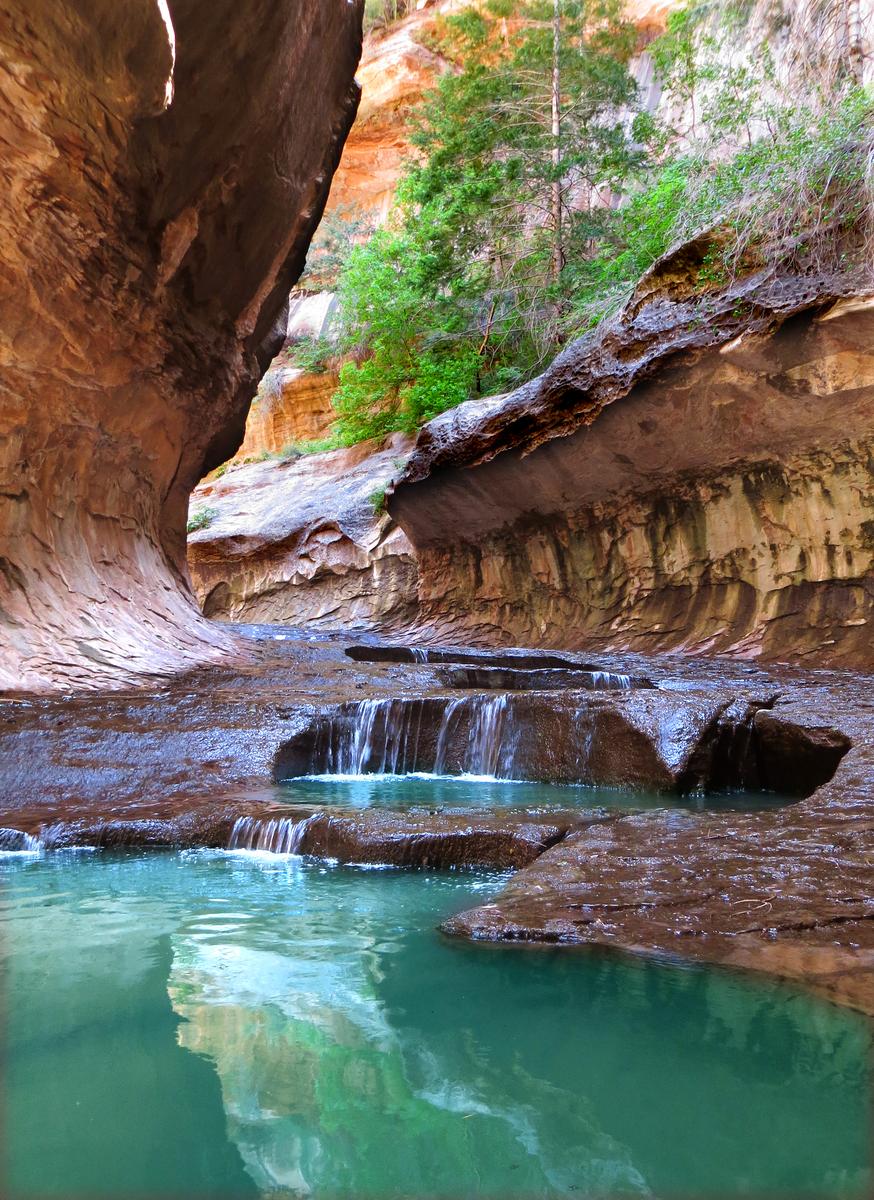
On routes involving the river or narrow canyons, water levels and weather can become especially important. The official National Park Service site should be your final source for closures, permits and current conditions.
Where to base yourself
Staying near the park entrance can make early starts much easier. Springdale is the most convenient base for many visitors because it sits directly beside the park and offers lodging, food and local transportation options.
Further-away lodging can work, but a longer drive adds friction to an already busy day.
What to pack
Bring water, comfortable trail shoes, sun protection, layers and a small daypack. A phone is useful, but do not rely entirely on cellular service in the canyon.
A simple first-day plan
Start early, ride the shuttle into the canyon, walk one major trail, take a slower lunch break, and use the afternoon for an easier viewpoint or short walk.
That structure keeps the day flexible and gives you space to change plans when conditions or energy levels change.
Final thoughts
Zion rewards visitors who slow down. Pick a few experiences, respect the conditions and let the canyon itself become part of the journey instead of racing through a checklist.
How to get around Zion
Zion Canyon is the part of the park where first-time visitors most often need to think about transportation before they arrive. During shuttle operations, personal vehicles are restricted from much of the Zion Canyon Scenic Drive, so a simple plan should include where you will park, when you expect to board the shuttle, and how much time you want to leave between stops.
Parking can fill early, especially during busy periods. Before leaving, check the National Park Service planning and traffic pages for the current shuttle schedule, parking guidance, road status and other alerts.
Choose your day before choosing your hikes
A first visit becomes easier when you decide what kind of day you want before selecting a long list of trails. A shorter walk, a viewpoint and time along the canyon can make a satisfying day without forcing every stop into the same schedule.
Trail difficulty is only one part of the decision. Distance, elevation, exposure, heat, water, recent weather and current closures can all change what makes sense on a particular day. Check the park’s current conditions before setting out.
Leave room for changing conditions
Weather and trail conditions can change quickly in a canyon environment. Build some flexibility into the itinerary instead of planning every hour around a single trail. A realistic first-time plan leaves room for shuttle lines, parking delays, water breaks, changing weather and an earlier finish if conditions are not right.
A simple first-day framework
For a one-day visit, start early, orient yourself to the canyon, choose one primary hike or outdoor experience, then leave time for a shorter walk or scenic stop. The goal is not to collect every trail. It is to create a day that remains enjoyable even when the park is busy or conditions shift.
Before you go: Check the current Zion National Park planning information and park alerts.
More from Wild Trail Atlas