A practical approach to waterfall exploring in Washington, with planning advice for forests, mountain roads, weather and trail conditions.
Pick one region
A tighter geographic area creates more time on trails and less time behind the wheel.
NEXT ON THE TRAIL7 Waterfall Escapes in the Pacific Northwest Worth the Detour
Look beyond the waterfall
Forest, river valleys and mountain views can be as rewarding as the main cascade.
Plan for changing weather
Mountain conditions can shift quickly. Bring layers and rain protection.
Check trail and road status
Seasonal closures and weather can alter access. Use official land-management information before leaving.
Final thoughts
Washington is at its best when waterfall travel becomes slow travel: one strong road, one good hike and room to explore.
Build waterfall days around the route
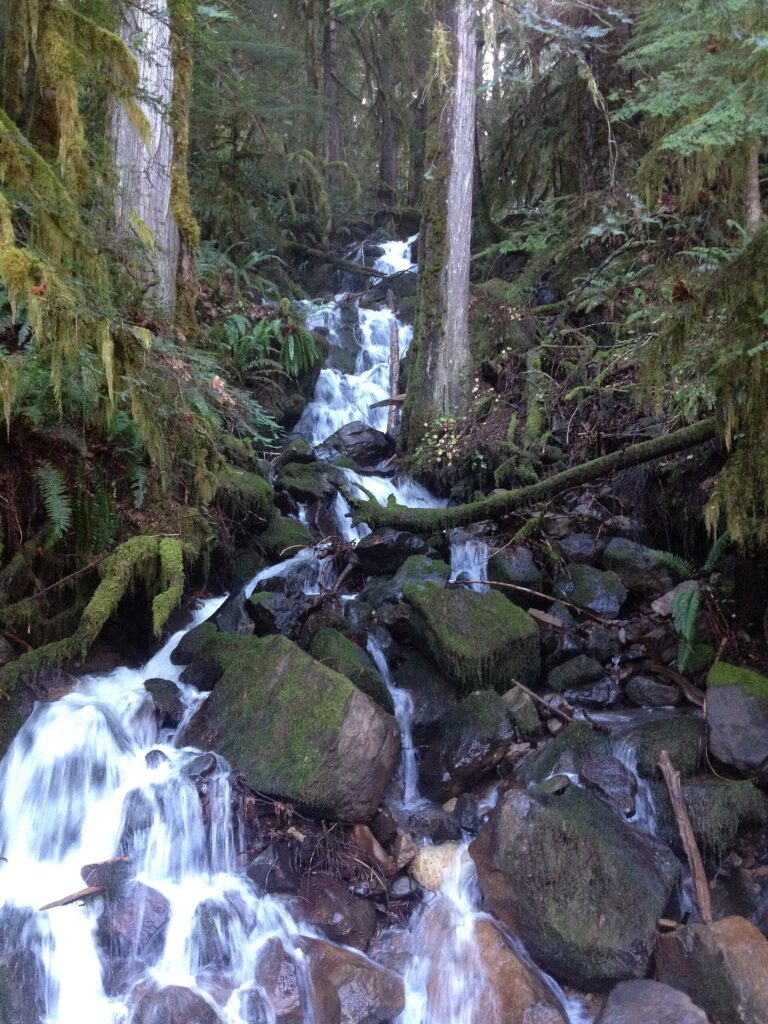
Washington has waterfall opportunities across forest, mountain and river landscapes. Instead of trying to collect as many as possible, build each day around one route or geographic area and allow time for short walks and scenic stops.
Check the trail, not just the distance
Trail difficulty depends on terrain, elevation, wet conditions and the way the route is accessed. A short waterfall trail can still require careful footing, while a longer forest route may be more gradual.
Expect weather to influence the day
Rain, runoff, snow and changing mountain conditions can affect access and trail surfaces. Check current land-manager information before leaving and keep a backup stop available.
A slower waterfall strategy
Choose one or two primary waterfalls, then leave space for an overlook, a forest walk or an unplanned stop. The point of a slower itinerary is to avoid turning every beautiful place into a race against the clock.
Reference: Use current National Park Service, U.S. Forest Service and Washington State Parks information for road and trail conditions.
More from Wild Trail Atlas