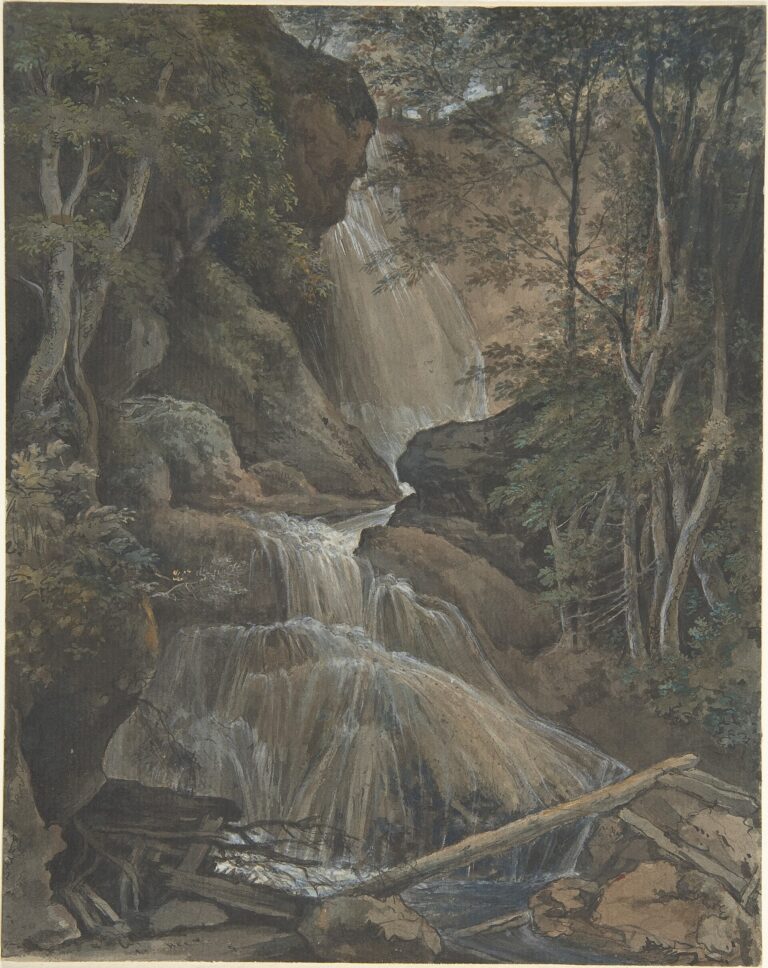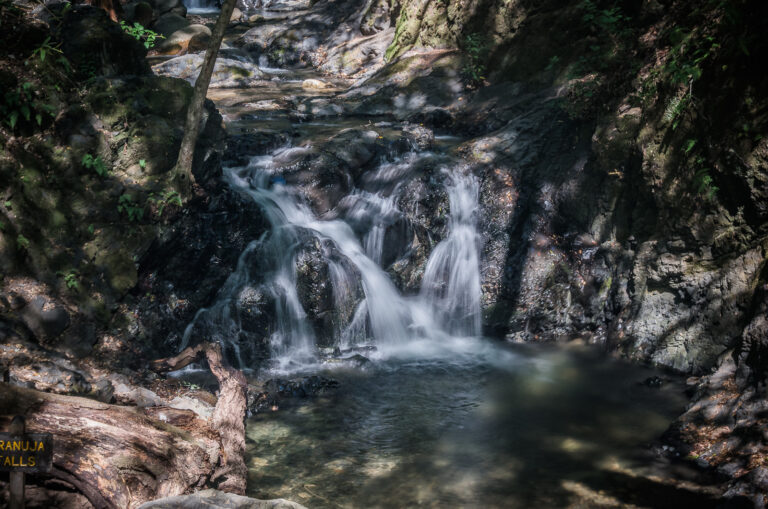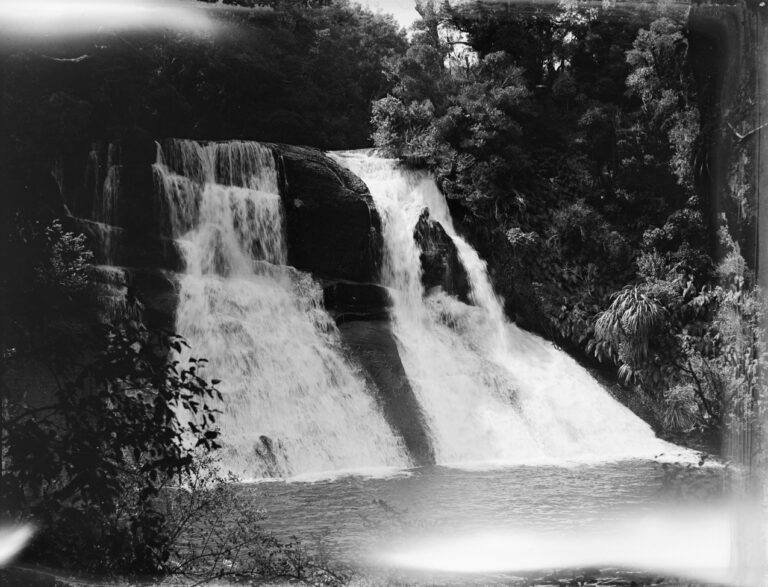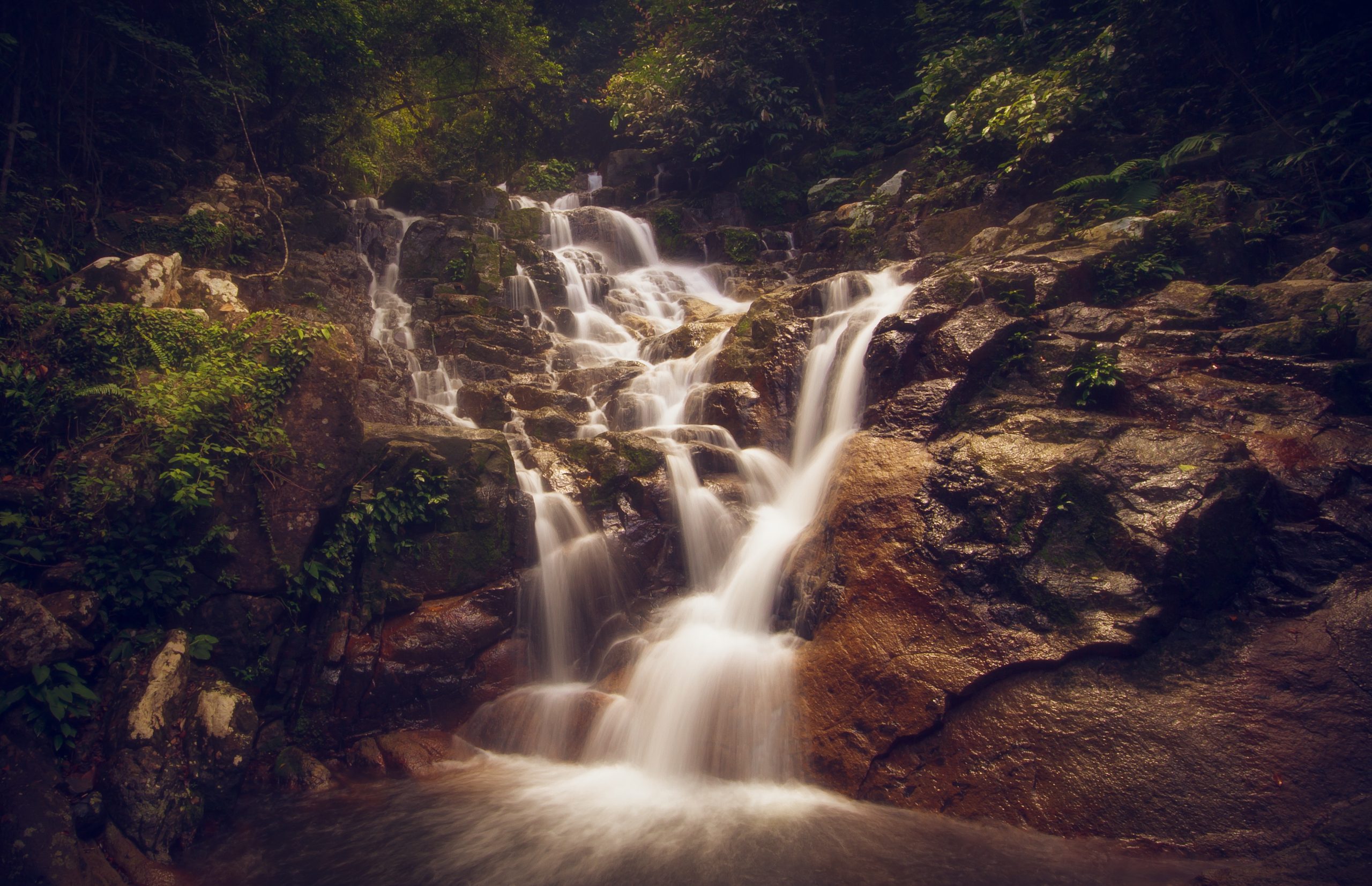
The Pacific Northwest is one of those regions where a waterfall can appear almost anywhere: beside a highway, deep in a mossy forest or at the end of a trail that winds through old trees.
Rather than treating waterfalls as isolated attractions, build them into your broader itinerary. That approach makes even a short detour feel worthwhile.
NEXT ON THE TRAILBest Ways to Explore Washington Waterfalls Without Rushing
1. The roadside cascade
Some waterfalls require only a short walk from the road. These are perfect for road trips when you want to stretch your legs without committing to a long hike.
2. The mossy forest fall
Look for trails where water and dense greenery share the same space. The forest can be as impressive as the waterfall, especially after recent rain when the colors become richer.
3. The viewpoint waterfall
A high viewpoint can make a smaller cascade feel much larger because you see the entire valley around it. These stops are particularly useful for photographers and travelers who prefer shorter walks.
4. The canyon waterfall
Waterfalls dropping into narrow canyons create a different sense of scale. Give yourself extra time here because light can change dramatically as the sun moves across the canyon walls.
5. The waterfall trail
Some routes are worth doing because the journey is as good as the destination. Expect roots, mud and uneven surfaces on forest trails, and wear shoes that can handle changing conditions.
6. The winter waterfall
Cold-season visits can transform familiar cascades. Higher water volume and occasional snow around the trail can create a completely different landscape, but winter also demands more careful planning.
7. The unexpected roadside stop
Leave a little room for discoveries. A smaller unnamed cascade can become the most memorable stop simply because you found it without a plan.
How to plan a waterfall day
Choose two or three main waterfalls and treat everything else as optional. This keeps the day flexible and reduces the temptation to spend all your time driving from one pin to another.
Check trail conditions, parking restrictions and seasonal access before leaving. After rain, trails can become slippery and river levels can change quickly.
Final thoughts
The best waterfall road trips are built around variety: one spectacular viewpoint, one quiet forest walk and a few unexpected stops. The Pacific Northwest has enough water and wild terrain to make that style of travel especially rewarding.
Think in terms of regions
The Pacific Northwest is broad, so seven waterfall stops are easier to manage when grouped by region. Pick a corridor first, then build the detours around the amount of driving and hiking you actually want.
Expect seasonal differences
Water levels can change dramatically between wet and dry periods, while mountain access may be affected by snow or road conditions. Treat the list as a set of candidates rather than a promise that every waterfall will have the same flow or access on every date.
Pair waterfalls with scenic routes
A waterfall detour is most useful when it fits naturally into the route. Combine each stop with a viewpoint, forest walk or nearby destination instead of adding large amounts of backtracking.
Check the current land manager
National parks, forests and state parks can have different rules and closures. Confirm the current source for each stop before traveling.
More from Wild Trail Atlas